Fortescue’s Green Grid Survives Transmission Outage Without Fossil Fuels
Iron ore mining company Fortescue has declared a significant achievement for its expanding green energy network, as its inverter-based power technologies proved their reliability during a major transmission interruption caused by bushfires. This event managed to keep operations running without the need for thermal generators.
The incident, which occurred on 1 October last year, was brought to light by CEO Andrew Forrest at the Smart Energy 2026 conference in Sydney. He described it as a validation of his ambitions to reach net-zero emissions and eliminate fossil fuel usage entirely by 2030.
The Challenges of Renewable Energy
While sceptics of renewable energy argue that such a vision is unattainable—claiming a grid cannot solely depend on wind, solar, and batteries, even temporarily—evidence to counter that belief is increasingly present in households across suburbs, off-grid communities, and remote mining sites.
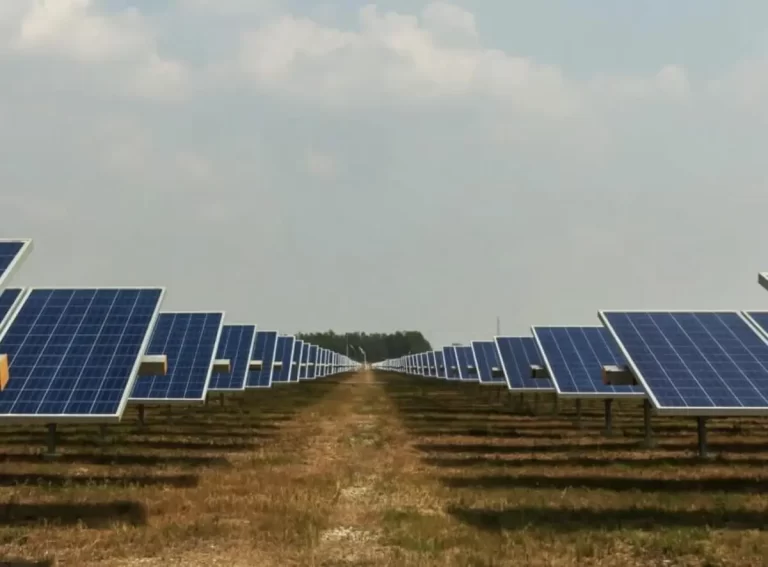
At Fortescue, this demonstration holds even greater importance due to its scale. During the October incident, solar and battery power maintained a load of approximately 85 megawatts (MW) following the shutdown of all thermal generation. By 2030, Fortescue’s fully operational green grid is expected to support a load ten times that size, reaching up to 800 MW.
Challenging Conventional Power Systems
Glen Carruthers, Fortescue’s head of operations and engineering, remarked that the event has disrupted long-standing views in power system engineering. “Throughout my 35-year career, I assumed this was not feasible,” Carruthers stated. “This moment not only heralds a bright future but is also the most thrilling experience I’ve ever faced, aside from becoming a father.”
Forrest highlighted several other achievements this week, including a noteworthy event on 27 December when solar energy met the entire grid demand of its hematite processing facility. Currently, solar contributes approximately 25% of the energy required for hematite processing and 22% for all of Fortescue’s electricity needs in the Pilbara region.
Transforming Energy Delivery
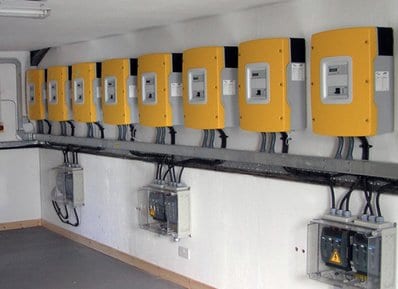
Fortescue asserts that advanced inverter-based technologies are increasingly fulfilling the roles traditionally managed by fossil fuel infrastructure. This not only impacts Fortescue but also has extensive implications for the broader power grid.
Battery storage firms like Tesla and Fluence contend that “grid forming” inverters can offer the same system support functionalities as fossil fuel sources. However, the market operators and network companies are not yet fully convinced, opting instead to install numerous synchronous condensers at substantial costs, despite the potential for battery inverters to perform similar functions more economically.
The ongoing debate has been a factor in postponing the closure of the Eraring coal plant, with proponents of battery technology arguing that a significantly reduced number of synchronous condensers are needed.
Following in Fortescue’s Footsteps
The Australian Energy Market Operator (AEMO) has plans for a trial involving such inverters with a load of around 100 MW on an isolated grid to substantiate the claims of inverter technology; however, it appears Fortescue may have already set a precedent.
Fortescue claims its Green Grid is the first fully integrated industrial green energy system designed to dispense with fossil fuels in large-scale industry. It is touted as a standalone power system providing consistent, dispatchable renewable energy throughout its operations. It has also been suggested that the grid will include synchronous condensers, although the specific ratings have yet to be disclosed.
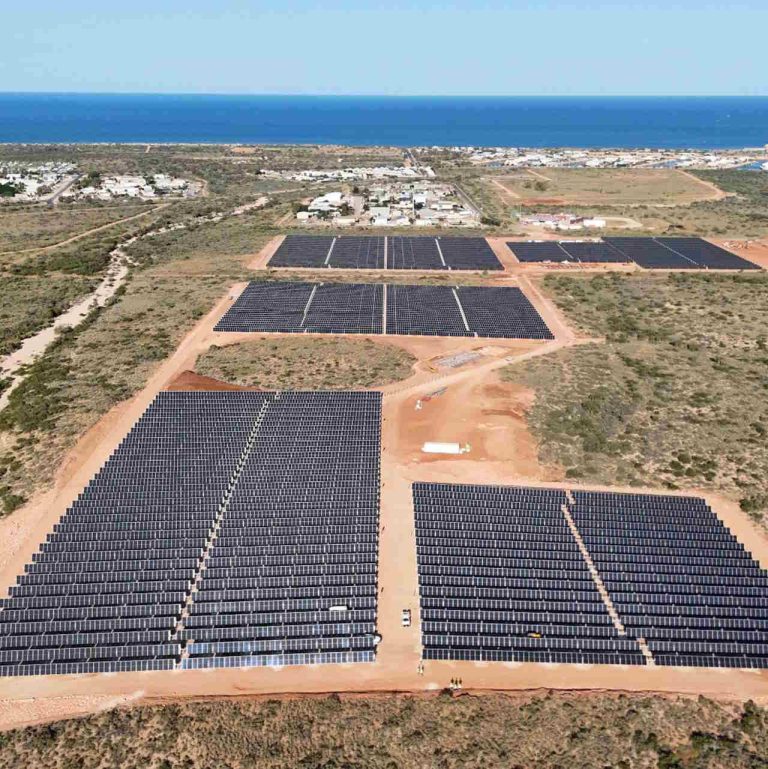
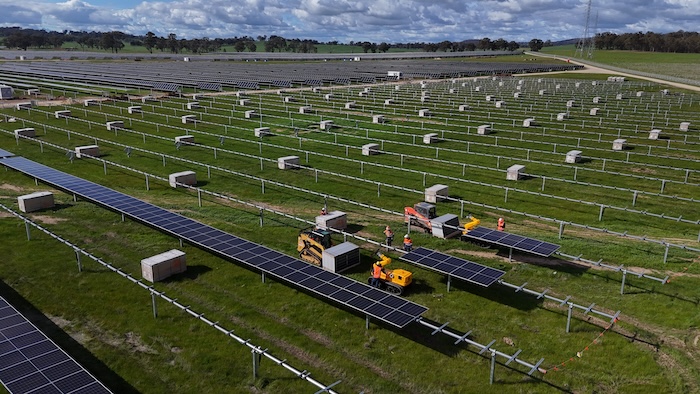
Currently, Fortescue is commissioning a 50 MW, 250MWh battery at North Star Junction and a 120MWh battery at Eliwana. Plans are underway for a total of 1.5 gigawatts of solar capacity, 800 MW of wind energy, and over 5GWh of battery storage. Additionally, over 400 MW of large-scale solar at Turner River is in the construction phase, with the first innovative “self-lifting” wind turbines expected at Nullagine later this year. The firm has also allocated $950 million towards a 200 MW “green grid” for external customers like data centres and green iron initiatives.
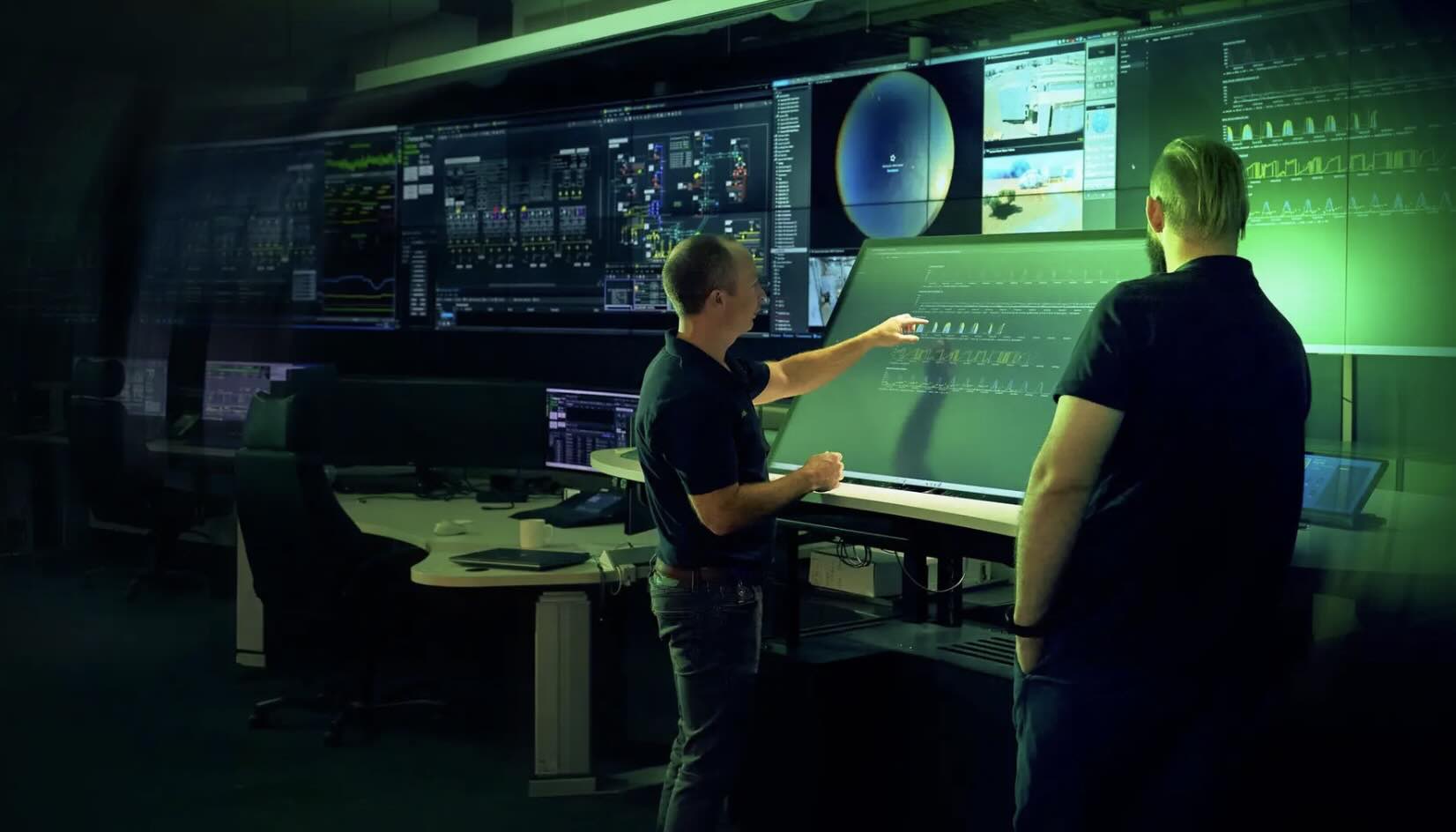
Artificial intelligence (AI) is integral to the management of Fortescue’s green grid, aiding in real-time weather forecasting and enhancing the grid’s adaptability to shifts in renewable energy generation.
The company stated, “This event illustrates that a large-scale industrial network can remain stable, robust, and operational solely through renewable energy systems—an achievement with benefits that extend well beyond the operations of Fortescue.” They added, “As we advance our Green Grid, we are demonstrating that heavy industry can decarbonise without risking reliability, stability, or performance.”