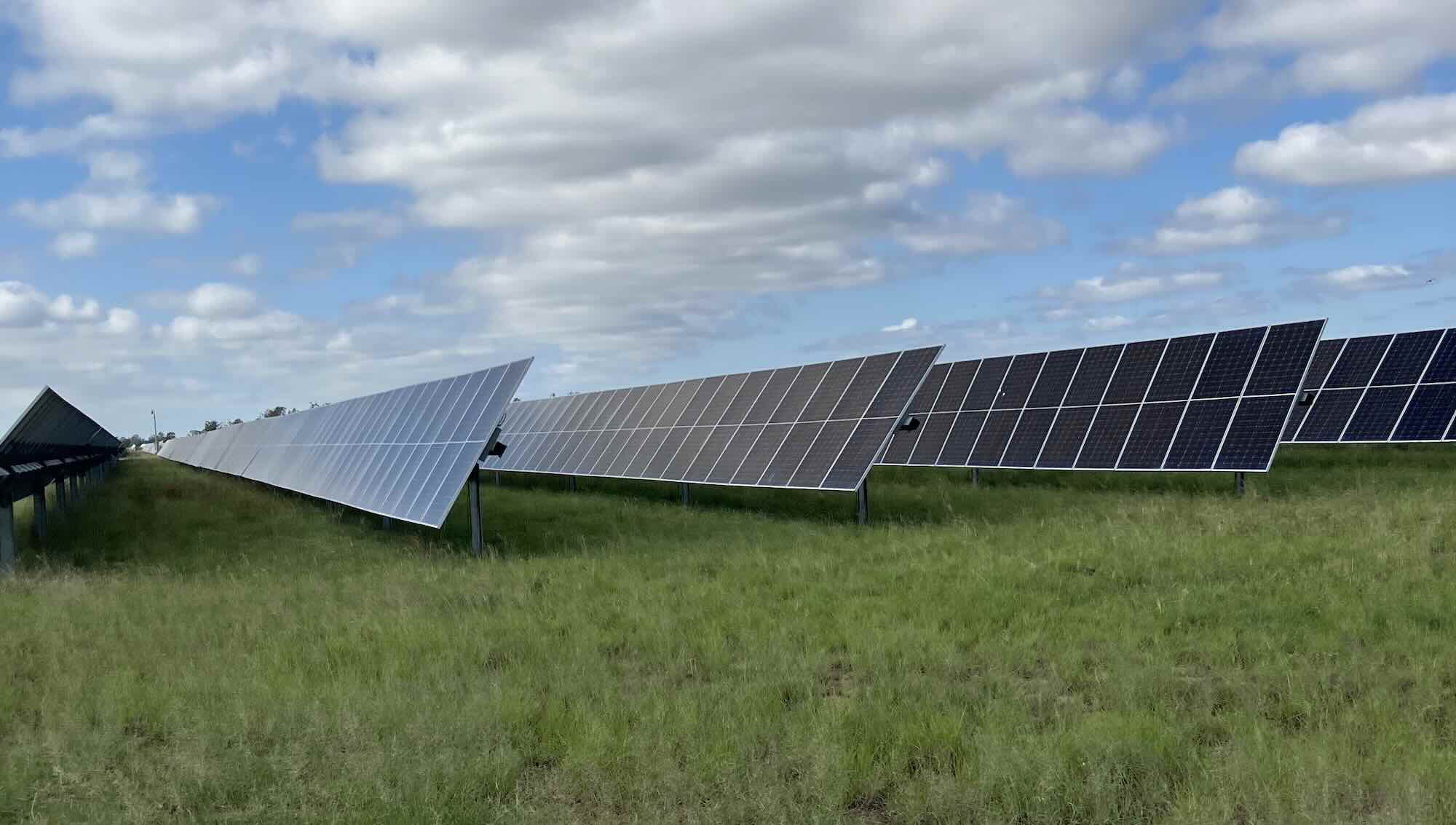
Record Solar Generation in Australia During Mid-Winter
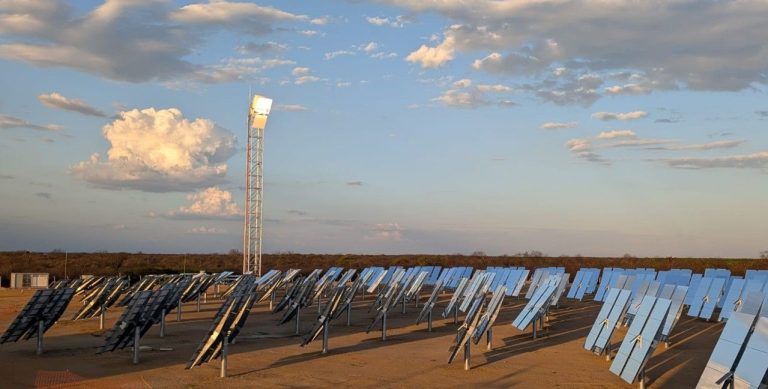
Recent data has shown that large-scale solar power achieved record-high contributions to electricity generation in nearly every Australian state during the mid-winter month of July, with significantly less energy being curtailed compared to the previous year.
While it may seem surprising, winter solar power generation records are becoming increasingly common in Australia. For instance, late last month, large-scale solar managed to supply an impressive 38.2 per cent of Queensland’s electricity demand around 9am on a Sunday, surpassing the previous record of 37.1% set on April 25.
Broad Success Across the Nation
The latest monthly report from Rystad Energy revealed that Queensland was not an isolated case. Every state in Australia, with the exception of South Australia, witnessed utility PV generation reach unprecedented levels at different times over the month.
In a typically challenging scenario where record solar output also leads to high curtailment levels, Rystad’s senior analyst, David Dixon, remarked that the rising integration of large and small batteries into the grid is beginning to mitigate this issue.
Dixon pointed out that curtailment of utility solar generation dropped to 80 gigawatt-hours (GWh) in July, down from 114 GWh in July 2025, a positive shift attributed to the increased battery capacity available.
Top-Performing Solar Farms
Across Australia, the standout solar farms for the month were primarily situated in Queensland, with the 204 megawatt (MW) Edenvale Solar Park in Chinchilla leading the way at a capacity factor (CF) of 26 per cent (AC).
Another strong performer was the 205 MW Columboola solar farm, also located near Chinchilla, which achieved a 25 per cent AC CF.
On a state level, Victoria excelled in both utility-scale solar and wind energy production, generating a total of 1,502 GWh, including 171 GWh from utility PV and a significant 1,331 GWh from wind sources.
Wind Generation Trends
In contrast to the performance of solar, Rystad reported a decline in wind generation across most states compared to July 2025, with Queensland and Tasmania being the exceptions.
Leading the wind performance were three top farms located in Tasmania: the nearly 150 MW Cattle Hill wind farm with a capacity factor of 51%, the 111 MW Granville Harbor wind farm at 49% CF, and the 168 MW Woolnorth Renewables Musselroe wind farm, which recorded a CF of 46%.
Electricity Prices Remain Stable
Dixon also noted that wholesale electricity prices remained relatively low for mid-winter, a period noted for high seasonal demand. Prices in all states within the National Electricity Market (NEM), except South Australia, stayed below $A85 per megawatt-hour (MWh).
For those keen to stay updated with the latest developments in clean energy, over 29,000 subscribers receive daily news directly to their inbox for free.