Australia’s First 100% Renewable Steel Mill to Open in 35 Years
The upcoming steel mill in Australia represents a significant milestone, marking the first of its kind to be established in more than three decades. Additionally, it will uniquely source its electricity solely from renewable resources, following a partnership with mining giant BHP, which will provide access to its unused energy capacity.
Generation Steel, previously known as Green Steel WA, plans to invest a substantial $850 million in the construction of an electric arc furnace (EAF) mill located in Collie. This town is actively transitioning from coal reliance towards greener industries in the south-western region of Western Australia.
Innovative Steel Production
This new facility will focus on recycling domestic scrap steel into various products, including reinforcing bars, wire rods, and merchant bars intended for the construction industry. The Collie mill will hold the distinction of being the first steel mill in Western Australia and the first new steel mill across the entire country in over 35 years.
With a target output of 450,000 tonnes of reinforcing bar steel (rebar) annually, the Collie mill will require approximately 250,000 megawatt hours of electricity each year, translating to nearly 100 megawatts sourced from wind and solar energy.
Power Purchase Agreements
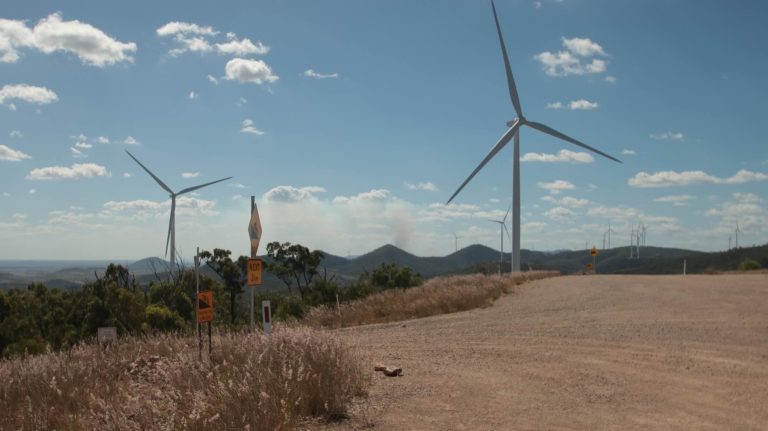
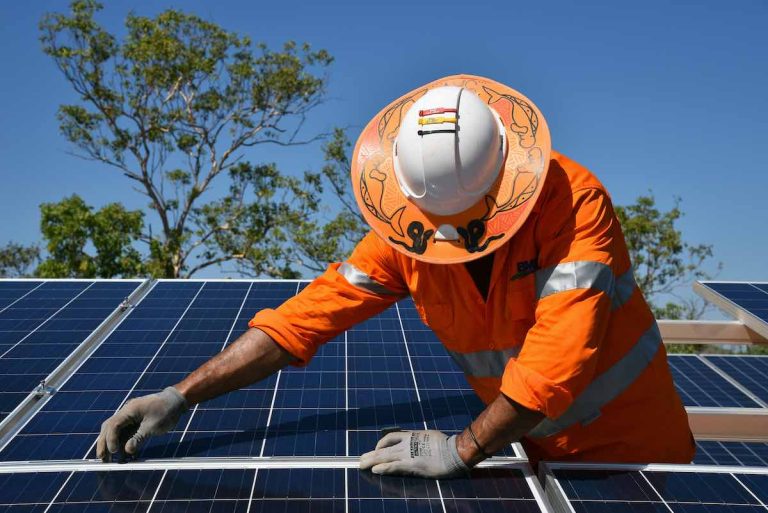
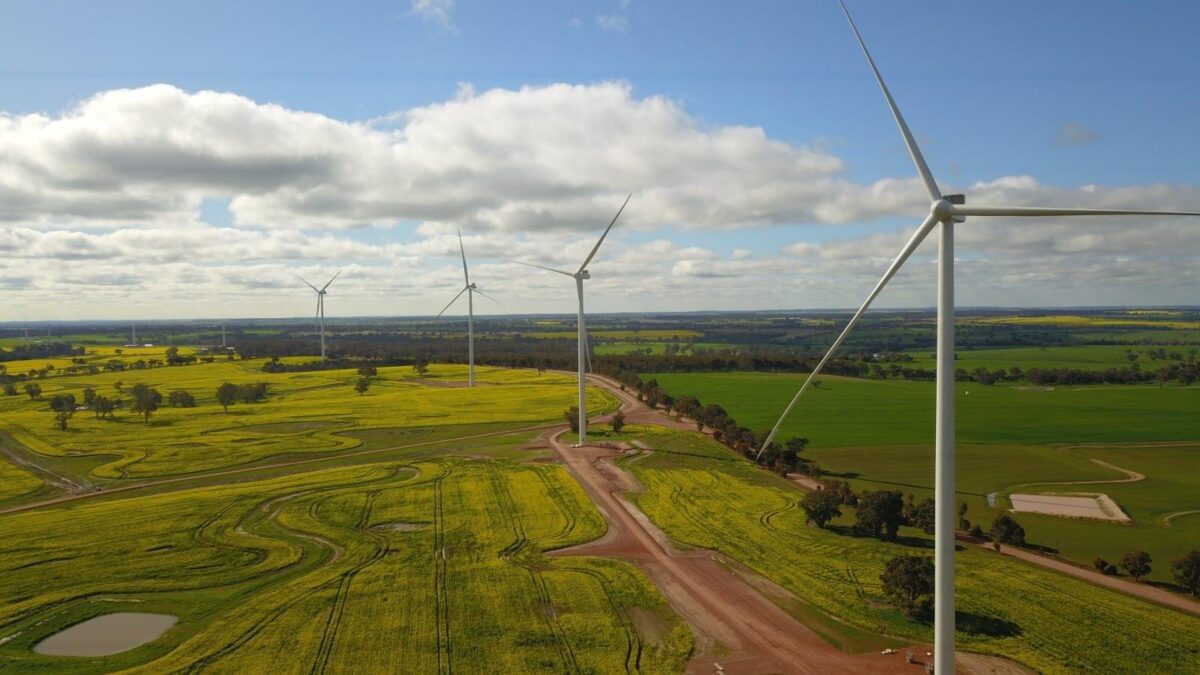
The mill has formalised a power purchase agreement with BHP, which had previously planned expansion within its Western Australian nickel operations — a plan that has now been shelved for the time being. This agreement will harness power from the Flat Rocks wind farm and the Merredin solar farm.
“Initiating operations with 100% renewable energy is a pivotal stride for Generation Steel,” stated Rajan Aggarwal, co-founder and executive director. “It establishes our commitment to leading in low-carbon steel production and showcases that high-quality steel production and genuine decarbonisation can indeed coexist — paving the way for the future of our industry.”
Timelines and Infrastructure Changes
The renewable energy agreements are poised to take effect in 2029, aligning with the anticipated shutdown of the last of the state-owned coal-fired power generators in Collie, leaving only one privately owned coal unit, which is also expected to close soon after.
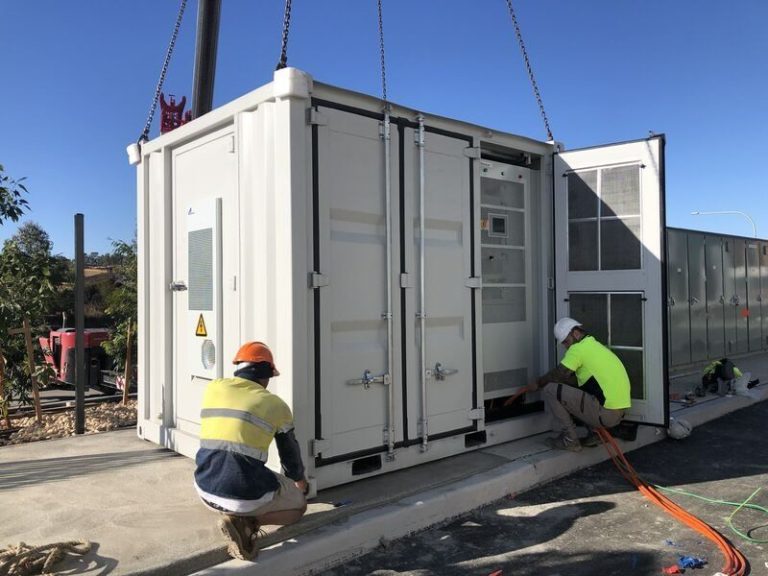
Collie has emerged as a hub for large-scale battery storage, currently hosting two of Australia’s largest batteries: the 500 MW, 2,400 MWh Collie battery managed by state-owned Synergy and the 560 MW, 2,240 MWh setup maintained by Neoen Australia.
Renewable Initiatives Across Industries
The steel mill isn’t the only prominent industrial operation shifting to renewable energy. The Tomago aluminium smelter in New South Wales, along with the Boyne Island smelters and refineries in Gladstone, are both moving away from coal dependence.
Similarly, Rio Tinto has secured numerous deals with major wind, solar, and battery projects, and Snowy Hydro has been assigned to identify similar projects for Tomago.
In the Pilbara region, Andrew Forrest’s Fortescue is in the process of developing over 2 GW of wind and solar power, alongside more than 4 GWh of battery storage, all aimed at phasing out fossil fuels from its vast iron ore mining operations.
Commitment to Sustainability
In Collie, Generation Steel has little choice but to pivot towards renewables, as coal will no longer be an option in the area or the state by the decade’s end. Reliance on gas-fired power is also deemed unfeasible due to costs.
The company, founded by Aggarwal along with executives Don Johnston and Azlan Ho, is chaired by Enzo Gullotti, a veteran of the construction sector who reflected on LinkedIn in July about how improbable it would have seemed a decade ago to propose building a steel mill in WA.
The firm asserts that the synergy of renewable energy and 100% recycled Australian scrap is set to position the Collie mill among the lowest emissions steel plants globally.
The clean electricity is essential in achieving an emissions rate of approximately 272 kg CO2e for every tonne of steel produced, which is around three times lower than both the “sustainability brand” within Australia and the worldwide average.
Currently, there are only three steel manufacturers globally capable of producing rebar with emissions below 300 kg CO2e per tonne: Nucor Sedalia in the United States, Seven Steel Nordic, and Celsa in Europe.
Rob Whitham, BHP WA Nickel’s manager of commercial energy and utilities, remarked that this agreement illustrates how the company can harness additional value from its renewable energy contracts and transform surplus renewable energy into opportunities that benefit the broader community and economy.