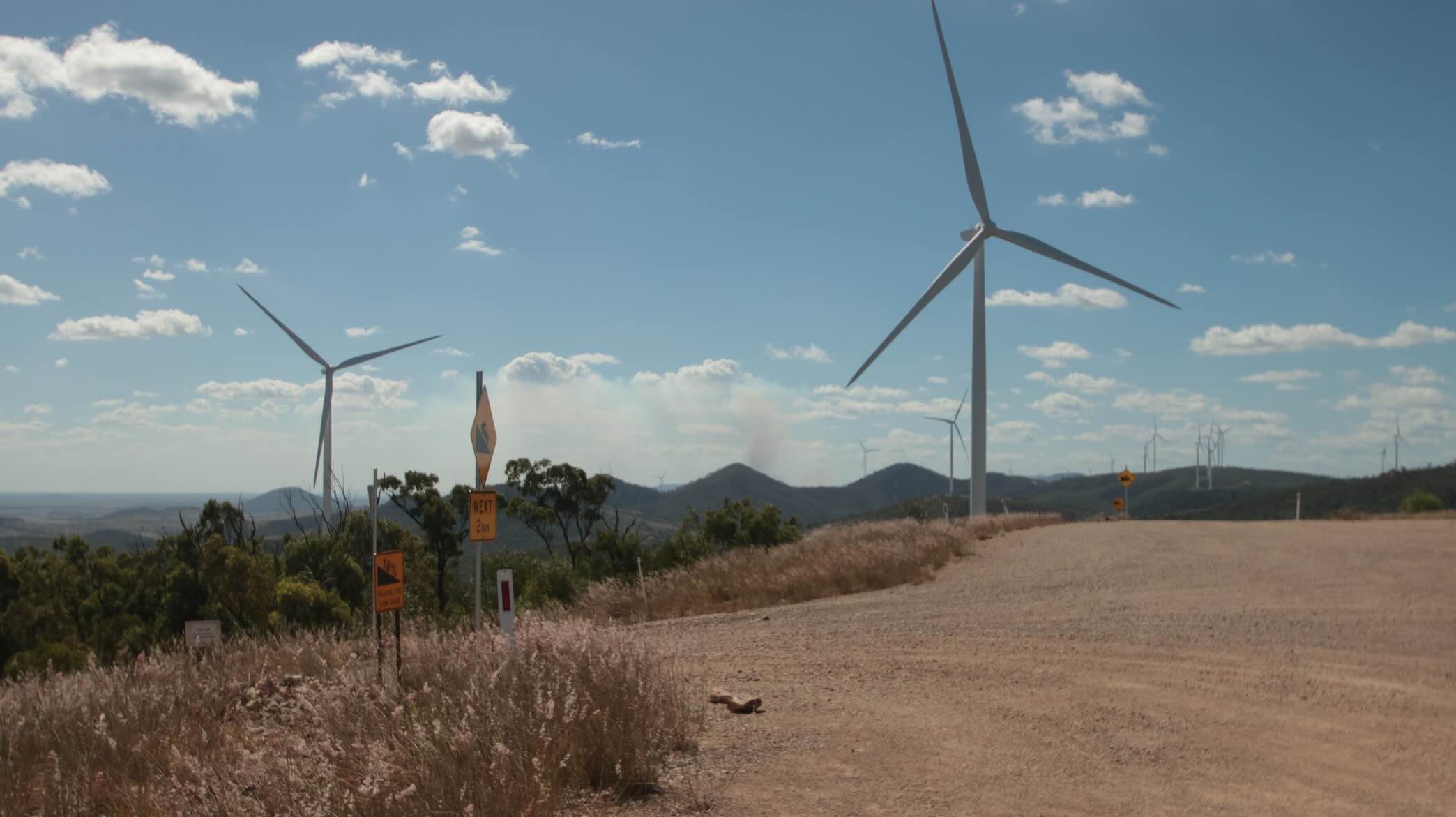
Australia Faces Worst Wind and Solar Drought in Four Years, Gas Backup Needs Decline
The ongoing debate surrounding the transition to renewable energy often raises a fundamental question: What occurs when the sun fails to shine, and the wind ceases to blow?
While critics may paint a dire picture of a failing energy system leading to darkened homes and a collapsing economy, the actuality presents a far more optimistic view. During periods of low renewable energy output, backup systems such as batteries, gas, pumped hydro, and occasionally diesel keep the lights on and allow the transition to continue unimpeded. Simply put, the approach is effective, cleaner, more cost-efficient, and reliable.
The Impact of Recent Energy Shortages
On Monday, energy analysts reported that Australia experienced its most significant wind and solar shortfall on the main grid since 2022. A substantial cloud cover stretched across much of the eastern states, overshadowing solar production and stifling the so-called “solar duck” effect for the day. Concurrently, low wind conditions contributed to a drop in wind energy generation.
Nevertheless, the sun does emit some light, and wind does find a way to flow elsewhere. In total, 85 gigawatt hours of wind and solar energy—collectively known as variable renewable energy (VRE)—were produced, accounting for 14.7 per cent of the total demand throughout the daily period. When adding hydro and a small contribution from biomass, the share of renewable energy surpassed 26 per cent for the day.
Insights from Energy Experts
David Osmond, a wind engineer at Windlab who meticulously tracks both wind and solar production, highlighted the severity of Monday’s VRE drought, noting it was one of the worst since 2022. He indicated that the normalised VRE generation dropped to 34 per cent on May 18, indicating a staggering 66 per cent dip below average levels, while the previous day reflected similarly poor performance at 44 per cent. Osmond referenced past data, mentioning that the record low was recorded at 37 per cent on July 4, 2023.
Osmond shared insights on how these figures position Monday within the broader context of subpar wind and solar production days. He referenced a significant 2022 study by Griffith University’s Tim Nelson, Joel Gilmore, and Tahlia Nolan indicating that a “terrible” VRE day could yield a normalised VRE of about 32.8% every 42 years, putting Monday’s performance dangerously close to that benchmark.
Understanding Energy Demand and Backup Solutions
So what transpired on that Monday? What backup measures were necessary to maintain the energy supply? According to Watt Clarity, gas generation peaked at approximately 3.8 gigawatts during the evening demand peak around 6 PM, which was lower than earlier forecasts and resulted in relatively moderate price fluctuations compared to the daily averages.
The shortfall was addressed chiefly by large battery systems and possibly home batteries, as the market is still adjusting to this innovative energy storage landscape. Coal power became the primary contributor during peak hours, producing 12 GW, as illustrated in data shared by ITK Services.
Hypothetically, in a high-renewable grid devoid of coal, with a capacity equivalent to 24 gigawatts and 120 gigawatt hours of storage, Osmond’s weekly simulations suggest that Monday would have required a peak of 8 gigawatts of gas backup.
In a separate analysis, he noted that the week registered 92.6% renewable energy, revealing two challenging nights that required up to 8 GW of backup power, marking it as the sixth most difficult day of the simulation to date.
Interestingly, the 8 GW necessity on Monday was actually less than the record-high demand of 10.2 GW on June 12, 2025, which was primarily driven by heightened energy demands in colder weather. However, as we approach winter, especially with the potential for a solar and wind drought, the true test will come when greater energy consumption for heating is necessary.
Ongoing Adjustments in Renewable Energy Strategy
The energy market operator has indicated that a high-renewables grid will require significantly less gas capacity than initially expected, with projections continuously evolving as more battery and long-duration storage solutions are integrated into the system.
For more in-depth insight into Osmond’s simulations and the transition towards near 100% renewable electricity for Australia’s grid, further reading is recommended.
To stay informed about the latest developments in clean energy, consider subscribing to the free daily newsletter, which serves over 29,000 subscribers.
Your support is crucial for independent media and accurate reporting in the renewable energy sector.