Major Solar-Battery Financing Deal Signals Industry Growth
This week, Edify Energy announced it has secured financing for the country’s largest solar and battery hybrid projects. This development may signal the beginning of a much larger shift, as its banking partners have committed funds to support projects with a capacity three times greater than what has been initially planned.
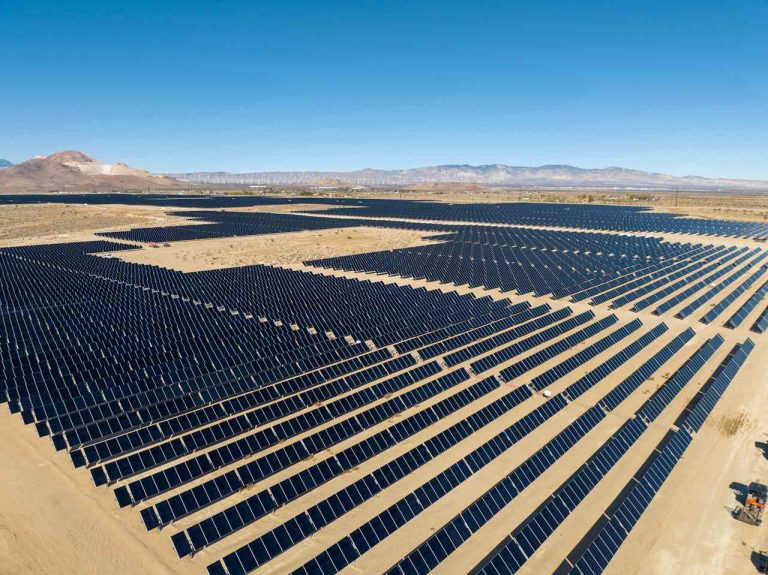
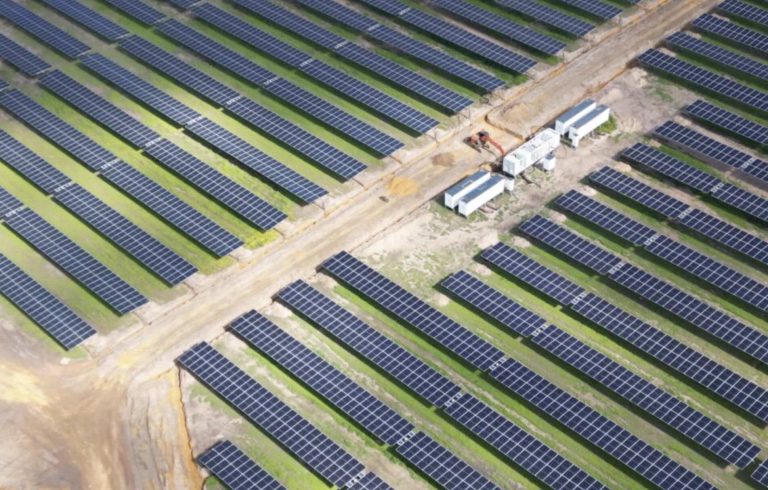
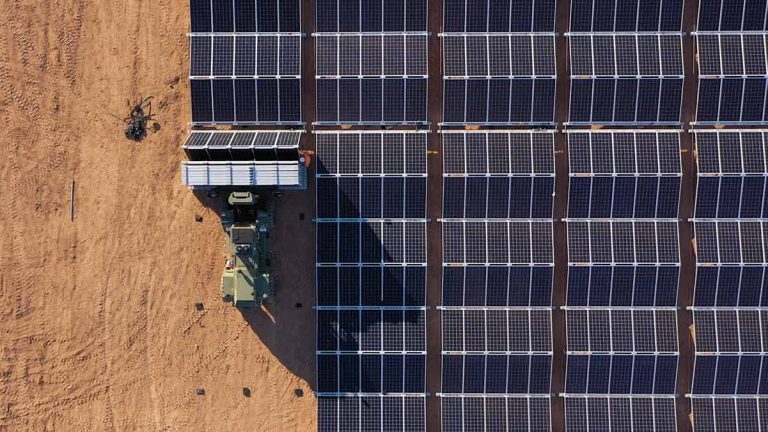
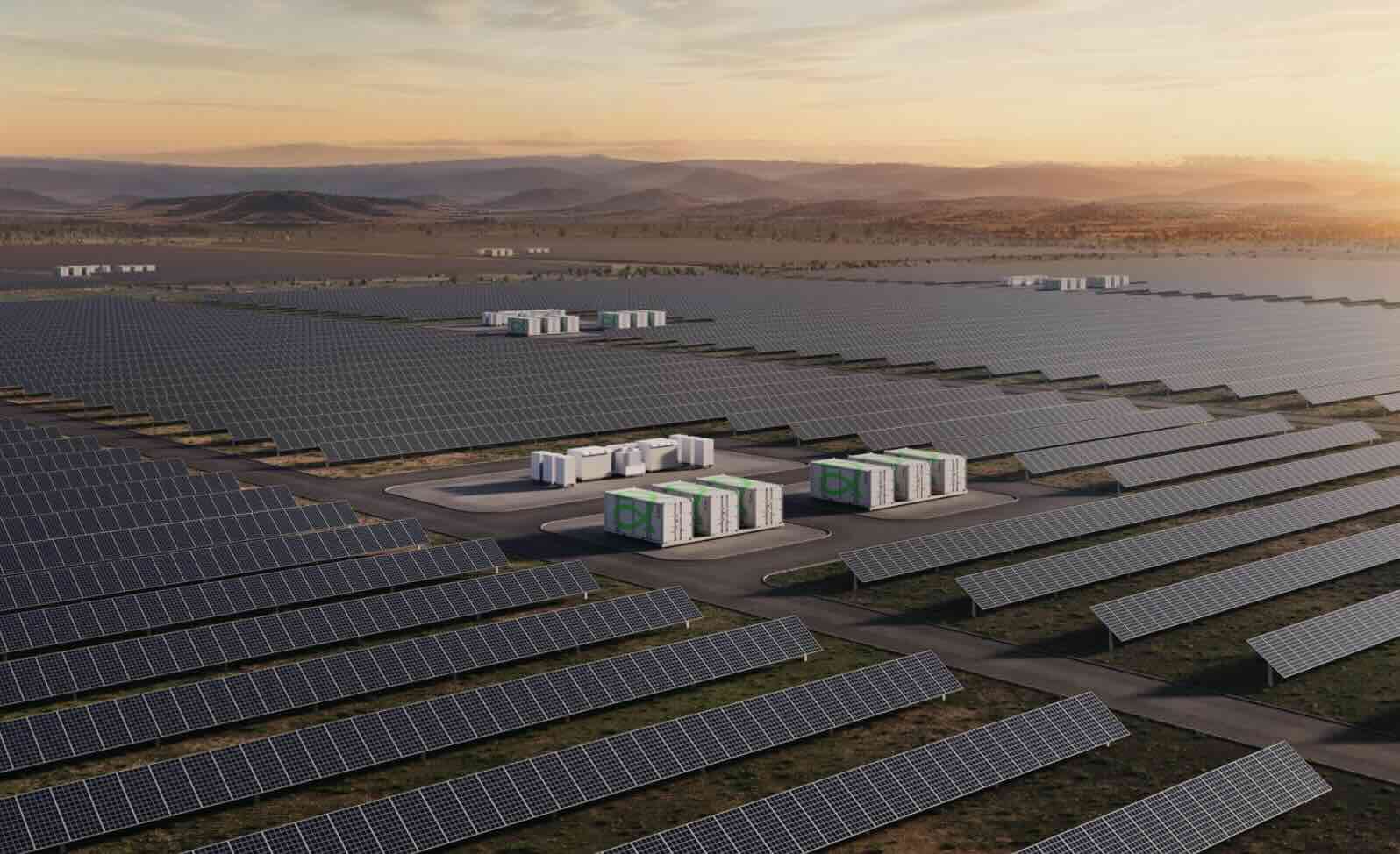
The Smoky Creek and Guthrie’s Gap solar and battery hybrids are notable for various reasons. Not only are they the largest of their kind, boasting a combined capacity of 600 megawatts (MWac, or 720 MWp), but they also feature 600 MW of generation capacity and 2,400 megawatt hours of battery storage.
Significance of the Hybrid Systems
This unique setup allows for substantial output from the solar energy generated at these two farms, providing “firm power” for extensive periods—up to four hours at maximum capacity or 12 hours at reduced output depending on demand. This capability is especially beneficial for the major client, the large aluminium smelter and alumina refineries located in Gladstone.
According to Edify Energy, the contribution of these solar-battery hybrids marks an advanced approach to supplying firmed solar power to heavy industries, countering the prevailing media and political narrative that renewable energy cannot sustain energy-intensive sectors.
Transition from Coal to Renewables
In a significant move towards cleaner energy, Rio Tinto plans to phase out its ageing and environmentally harmful coal-fired power facility in Gladstone, aiming to replace it with a combination of wind, solar, and battery storage, alongside a manageable amount of “firm” power.
The advantage of these solar hybrids lies in their competitive pricing compared to wind energy, as well as their rapid deployment and modularity features. The latest New Energy Outlook from Bloomberg illustrates that solar and battery technologies are now the primary focus for energy production, with solar projected to become the world’s leading energy source by 2032 due to decreasing costs and oversupply.
The Future of Battery Storage
The anticipated growth in battery storage capacity, although starting from a lower base, is expected to be remarkable, increasing from 223 gigawatts to 3.8 terawatts in less than ten years.
This rapid advancement poses a significant challenge for the fossil fuel sector, prompting a campaign of misinformation targeting solar and battery initiatives, particularly across social media platforms.
Investor interest is also robust. Edify has established one of the largest portfolios of solar-battery hybrid projects in Australia, drawing attention and even a $1.2 billion takeover offer last year from La Caisse, a Canadian investment firm.
A Growing Investment Landscape
Numerous global investment firms, including Brookfield, BlackRock, and KKR, are actively seeking opportunities within Australia’s energy market, focusing on both standalone battery projects and solar-battery hybrids.
The urgency for Australia to replace its ageing coal-fired power generators is clear, as these units grow older and less reliable. The promises made by political parties regarding their sustainability appear increasingly hollow, necessitating a swift transition to cleaner energy sources.
Edify’s financing deal for the Smoky Creek and Guthrie’s Gap projects, estimated to total around $1.2 billion, turned out to be considerably larger than required. The financing arrangement, established in conjunction with La Caisse, amounts to $3.35 billion and involves a pioneering “greenfield portfolio financing structure” backed by 14 local and international banks.
Upcoming Projects and Government Support
While Edify has not yet revealed which projects will follow under this financing plan, another set of co-located projects, namely Ganymirra and Majors Creek near Townsville, are expected to come next. They will feature a combined 300 MWac of solar (360 MWp) and 300 MW, alongside 1,200 MWh of battery storage, with DT Infrastructure confirmed as the lead contractor.
There is also a similarly sized initiative underway at Nowingi in Victoria. All these projects—Smoky Creek, Guthrie’s Gap, Ganymirra, Majors Creek, and Nowingi—have secured underwriting agreements from the federal government’s Capacity Investment Scheme, which significantly mitigates risk and allows developers to provide competitive pricing for their main customers.
Edify has additional projects in the works, including the smaller Burroway project in New South Wales, which features 100 MW of solar and 100 MW of battery storage (400 MWh). This project recently received approval despite opposition from distant stakeholders.
Challenges Ahead for Large Scale Wind Projects
This is certainly positive news for the federal government in its quest to achieve, or at least get near, its 82 per cent renewable energy target by 2030.
However, despite the Capacity Investment Scheme, securing financial backing for large-scale wind and solar projects remains challenging. While some, like Windlab’s 1.4 GW Bungaban wind project, are likely to reach completion due to backing from large, committed buyers such as Rio Tinto, others could struggle to find significant customers. This remains one of the key hurdles for the industry currently.