Gina Rinehart Backs Rare Earths Mine for Wind Turbines Despite Anti-Renewables Stance
Despite being Australia’s wealthiest individual and an outspoken critic of net-zero policies and renewable technologies, Gina Rinehart’s mining interests reveal a different reality regarding green energy. Her 15 per cent stake in Arafura Rare Earths has culminated in the recent financial closure of the $1.6 billion Nolans Rare Earths project, located in the Northern Territory. This venture will supply essential minerals that are key to renewable energy sectors, including electric vehicles.
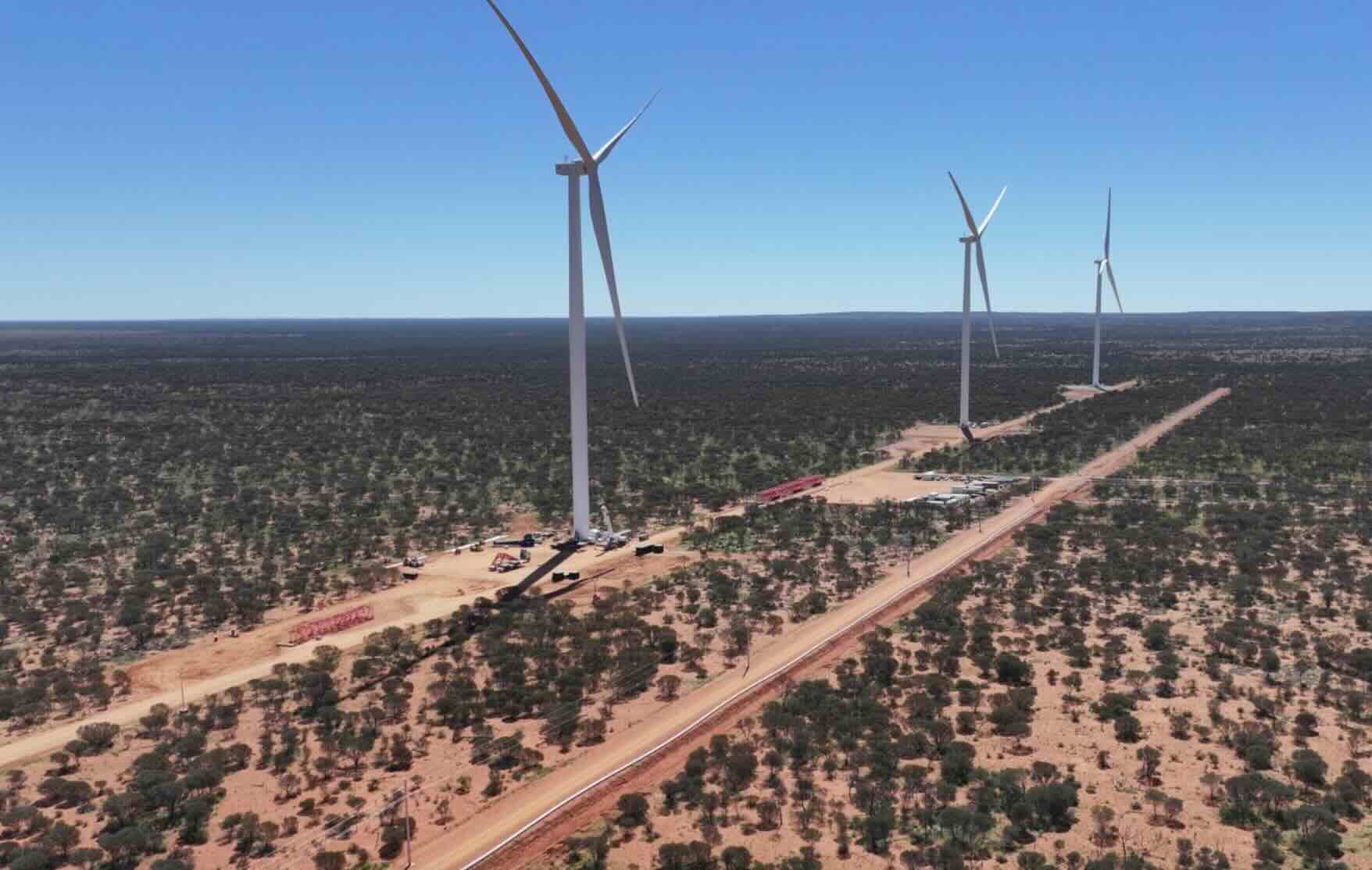
The Nolans project has secured significant contracts, including one with leading German wind turbine producer Siemens Gamesa, which will purchase 520 tonnes annually of neodymium-praseodymium oxide (NdPr). NdPr is necessary for creating high-performance permanent magnets used in wind turbines, electric vehicles, and various aerospace and defence applications. Additionally, Hyundai and Kia have committed to purchasing 1,500 tonnes a year to bolster their expanding electric vehicle fleets, with these green technology contracts representing 57 per cent of the mine’s anticipated output.
Support for Strategic Development
Arafura has also contracted Traxys for another 800 tonnes of NdPr, while the Australian government is expected to acquire 500 tonnes for its strategic reserves. The company asserts that the Nolans project has the potential to significantly contribute to Australia’s industrial evolution. Although Arafura promotes the mine as a “low-cost” and “high-margin” enterprise, it has benefitted from robust support, receiving approximately $1.2 billion from government sources alone.
The National Reconstruction Fund Corp has allocated $200 million, with its chairman, Martijn Wilder, stating that “rare earth minerals are strategically important resources that are crucial to the global transition to net zero.” Arafura has also secured $840 million in loans, in addition to $200 million from the NRFC and another $84 million from Germany’s state-owned KFW development bank. Furthermore, the Australian government has invested $146 million through Export Finance Australia and has agreed to take 14 per cent of the mine’s production.
Irony in a Contradictory Position
This government involvement demonstrates an acknowledgment of the imperative for net-zero transitions and the necessity for Australia to maintain its supply chains for critical minerals. Arafura warns that without essential minerals like NdPr, there could be long-term shortages, hindering production for electric vehicles and wind turbines. They further note that Nolans represents a unique near-term solution to supply vulnerabilities.
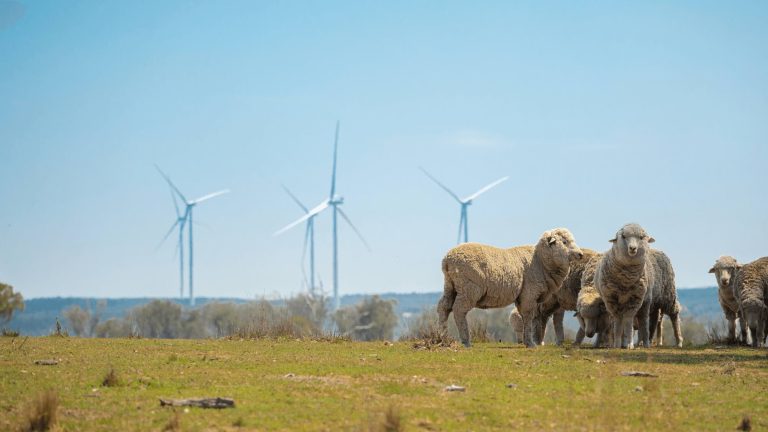
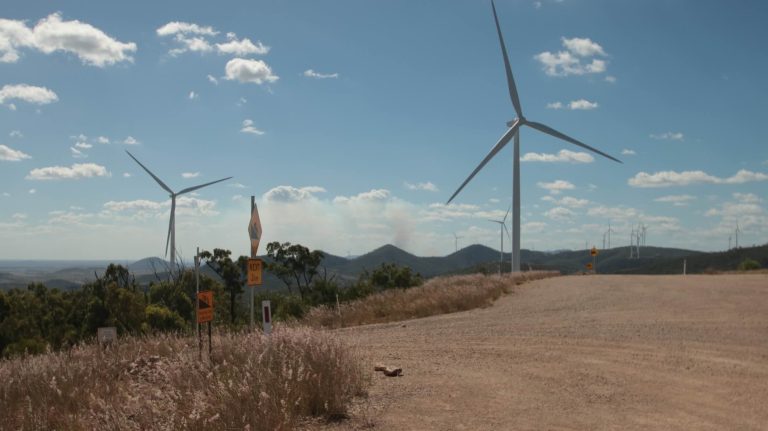
Ironically, Rinehart has vocally opposed wind turbines and solar panels, labelling them as unsightly and detrimental to agricultural pursuits while accusing other businesses of compromising their shareholders for net-zero goals. She has been a prominent supporter of conservative think tanks, particularly the Institute of Public Affairs, and aligns with Pauline Hanson’s One Nation party, both of which staunchly oppose net-zero initiatives and renewable energy.
Nonetheless, Rinehart’s other mining engagements appear to recognise the advantages of green energy and the strategic benefits of veering away from reliance on fossil fuels. She reportedly invested $1.3 billion into Liontown Resources, another lithium mining operation aimed at supplying the electric vehicle market, and has committed to achieving net zero by 2034.
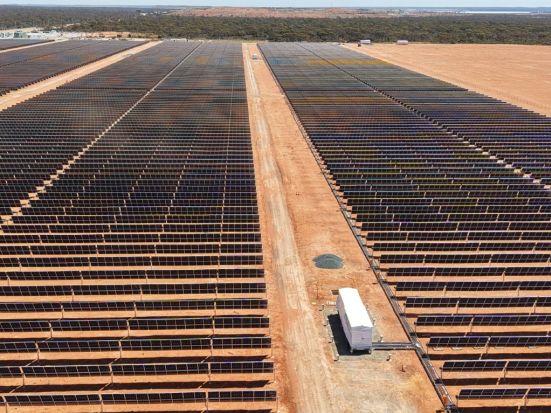
In the first quarter of this year, Liontown’s Kathleen Valley mine powered 80 per cent of its operations using wind and solar energy, significantly reducing its diesel expenses. Another of Rinehart’s ventures, Lynas Rare Earths, excelled even further, achieving a remarkable 95.7 per cent reliance on renewable sources throughout the same quarter at its Mt Weld site.
Initially, the Nolans project was intended to operate using fossil gas, as indicated by the definitive feasibility study published in 2019. However, with shifting landscapes in energy economics – where gas has become more costly and renewable technologies more affordable – the company indicates plans for a “hybrid” renewable power station at the facility, although specifics have yet to be shared.
This complex interplay of interests illustrates the challenging dynamics surrounding green energy within Australia’s mining sector, particularly in light of Rinehart’s conflicting messages regarding renewable technologies and their impact on the future of energy production.