AEMC’s Electricity Pricing: A Milk Analogy
Last week, Anna Collyer, who chairs the Australian Energy Market Commission (AEMC), delivered a noteworthy speech detailing how the Commission intends to reshape the payment structure for electricity in the future. Interestingly, she suggested that our electricity bills might one day resemble how we purchase milk.
During her address, Collyer mentioned, “Speaking of ‘hotly contested’ – I’ll come to one of our Pricing Review’s final recommendations soon. And – stay with me here – how it compares to buying milk.” She further elaborated, “At its core, the final report next week [on how the AEMC wishes to restructure electricity pricing] will aim to simplify electricity pricing. It’s in that spirit of simplicity that I want to discuss milk. Much like any other product at the supermarket, milk has various input costs – from the farm to the processing and finally to the store. All these factors contribute to a straightforward price at checkout, and electricity operates in a similar way.”
Challenges with Pricing Structures
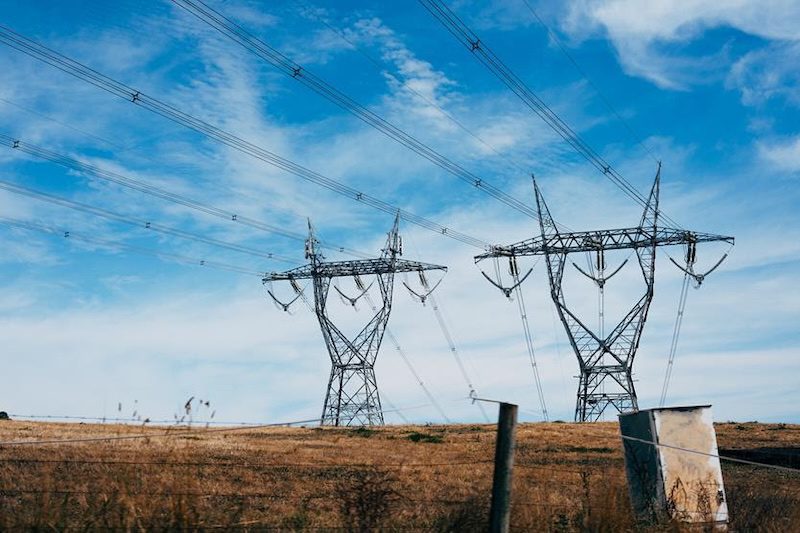
While Collyer didn’t dive deeply into the details, her comments sparked plenty of intrigue. For context, I have previously voiced concerns over the AEMC’s December recommendations regarding the pricing structure, which suggested a revised method for how households would be charged for accessing electricity networks. The proposal aimed to implement network tariffs in such a way that a significant portion of the costs would be covered through a fixed charge, regardless of a household’s actual demand for electricity.
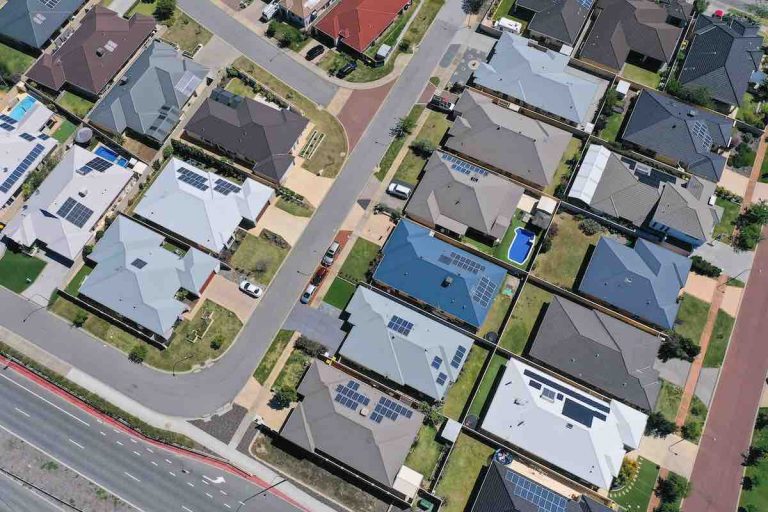
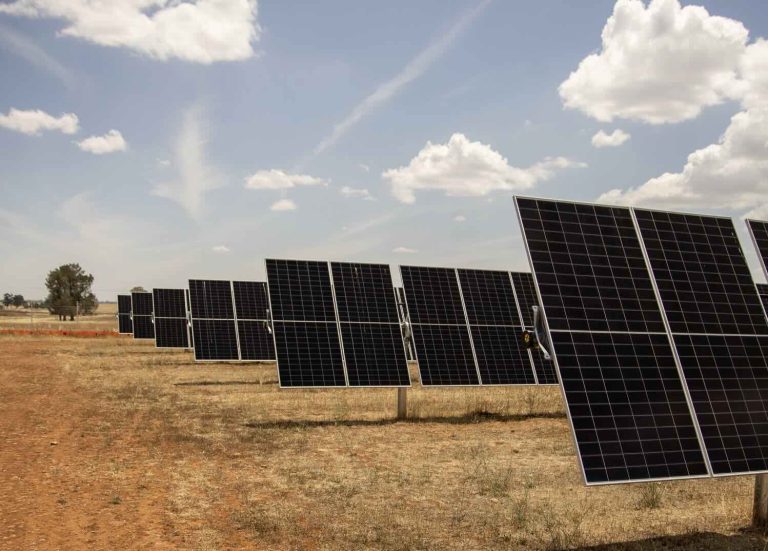
The AEMC argues that this shift is necessary due to the anticipated rise in households adopting solar panels and batteries, which would reduce their reliance on traditional grids and consequently their contribution to network charges. The fear is that this trend may lead to an unfair financial burden on remaining customers, who would find their electricity costs rising as network operators attempt to recover lost revenue from those opting for green solutions.
Pricing Should Reflect Usage
From my perspective, electricity networks should be treated like most other businesses that charge customers based on the demand for their services. If overall consumption declines, so too should the costs borne by the customer. Moreover, if network operators misjudge demand and invest in excessive capacity, it should not fall upon consumers to shoulder those financial blunders.
It’s important to note that I’m not advocating for a standard pricing model irrespective of when electricity is consumed. Just as airline ticket prices fluctuate based on timing and seat availability, electricity pricing should also reflect demand nuances. Similarly, petrol prices can fluctuate based on supply issues, such as those following the closure of the Strait of Hormuz.
Nonetheless, if someone rarely flies, they shouldn’t pay the same rate as a frequent traveller, nor should they be liable for the capital outlay of every aircraft a carrier owns, especially if that excess capacity isn’t being used. The same principle applies to hotel pricing and the hospitality sector; customers who use facilities less frequently should not pay the costs incurred by businesses exceeding necessary capacity.
Inconsistencies in the Proposed Model
If the AEMC is genuinely envisioning a world where we pay for electricity like we do for milk, it’s a glimmer of hope that they may tackle existing inequalities in the system. For example, my wife is fond of tea and protein shakes; she switched from dairy milk to soy. When I head to the supermarket for some dairy milk, I don’t face pressure to pay fixed fees to cover assorted dairy industry costs tied to infrastructure, nor do I encounter judgement from other shoppers for opting for a plant-based alternative.
This analogy highlights the need for our regulatory landscape for electricity networks to enforce some accountability on network shareholders, ensuring they effectively manage their costs and prepare for advances in technology that might disrupt existing models. Customers should not find themselves in a zero-sum game where the benefits accrued by one household – thanks to technological advancements – are offset by increased costs for others. Meanwhile, shareholders should not be treated as though they bear no responsibility for their overzealous spending that demands a collective financial contribution from consumers.
Regrettably, I have a nagging suspicion that when the AEMC references pricing electricity like milk, they may not have fully considered all implications. It appears they might advocate for electricity retailers to act as intermediaries, shielding network shareholders while penalising those who invest in solar and battery power, all under the facade of achieving “simpler” prices. One can only hope I’m mistaken.