Record Highs in Wind, Solar, and Battery Projects Amid Funding and Supply Chain Issues
The number of new projects aiming to connect with Australia’s primary electricity grid has reached unprecedented levels, largely driven by battery storage initiatives. However, many of these projects face significant hurdles related to financing, supply chain issues, and other constraints.
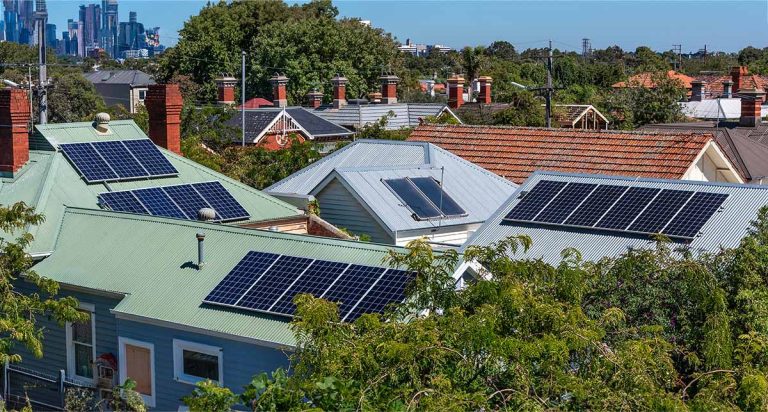
The Australian Energy Market Operator released its latest Connections Scorecard, revealing that the overall pipeline of new projects has expanded by 33 per cent over the past year, increasing from 50.5 gigawatts (GW) at the end of March last year to 67.3 GW at the close of March this year.
Project Pipeline Growth and Current Capacity
This figure is close to the existing capacity of 73 GW, excluding rooftop solar and home battery systems, and nearly half of the total pipeline is attributed to utility-scale battery projects.
Despite a substantial growth in the connections pipeline—especially in its early stages which saw a 51 per cent increase from 19.7 GW to 29.8 GW—many initiatives are progressing at a sluggish pace, with 18 projects amounting to 5.5 GW initiated in just the March quarter.
Margarida Pimentel, head of onboarding and connections at AEMO, commented, “We are witnessing a persistent trend where projects are taking longer during the implementation phase, primarily due to ongoing funding uncertainties, changes in project ownership, supply chain obstacles, and necessary design revisions.”
Government Targets and Project Viability
She emphasised the importance of these projects advancing to registration and full output commissioning to enhance reliability and facilitate the transition within the power system.
Australia is pursuing an ambitious goal of achieving 82 per cent renewable energy by 2030. While the Capacity Investment Scheme has provided underwriting agreements for numerous projects, only a limited number have successfully reached financial closure and commenced construction.
Federal Energy and Climate Minister Chris Bowen maintains that this target is attainable, albeit challenging, and believes the CIS remains effective, although he admitted in a recent interview with Renew Economy’s Energy Insiders podcast that further work is needed on wind projects.
Anticipating Future Demand
Pimentel also indicated that the expanding project pipeline is expected to address an anticipated 28 per cent surge in electricity demand by 2035, while compensating for the expected retirement of 11 GW from mostly coal-fired power stations over the next decade. This includes key facilities such as Eraring and Bayswater in New South Wales, Yallourn in Victoria, and Callide B in Queensland.
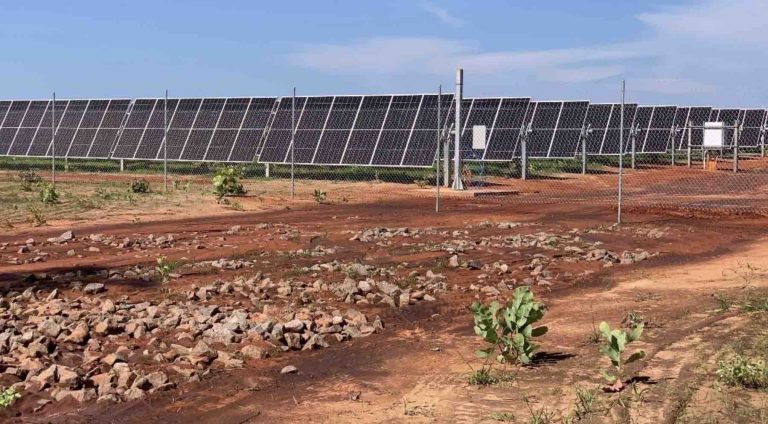
The recent data indicates that standalone battery capacity experienced the most significant jump, increasing by nearly two-thirds from 20.5 GW to 33.2 GW within a year. Additionally, grid-scale solar capacities rose from 17.7 GW to 20.7 GW, and wind energy increased from 8.32 GW to 9.75 GW. Hydro capacity remained consistent at 3 GW, largely due to ongoing construction projects such as Snowy 2.0 and Kidston, while gas capacity plummeted by 74 per cent, dropping from 0.9 GW to 0.2 GW, mainly due to the commissioning of Snowy Hydro’s Hunter gas-fired station.
Battery Projects and System Strength
AEMO noted that battery installations now represent 49 per cent of total capacity within the National Electricity Market (NEM) connections pipeline, with approximately 74 per cent of battery projects employing grid-forming inverters. These inverters will play a vital role in sustaining the “heartbeat” of the grid, or system strength, as coal-fired plants are phased out.
The five projects that achieved full operational status in the latest quarter include:
- Hunter Power Station (660 MW)
- Clarke Creek Wind Farm (440 MW)
- Swanbank Battery Energy Storage System (250 MW / 500 MWh)
- Limondale Battery Energy Storage System (50 MW / 400 MWh)
- Wangaratta Solar Farm (22 MW)
For those keen to stay updated with the latest clean energy news, subscribing to our free daily newsletter is a great option to join over 29,000 readers.
Supporting independent media is essential for the provision of accurate information. If you’d like to aid this initiative, consider making a one-off donation or becoming a regular supporter.