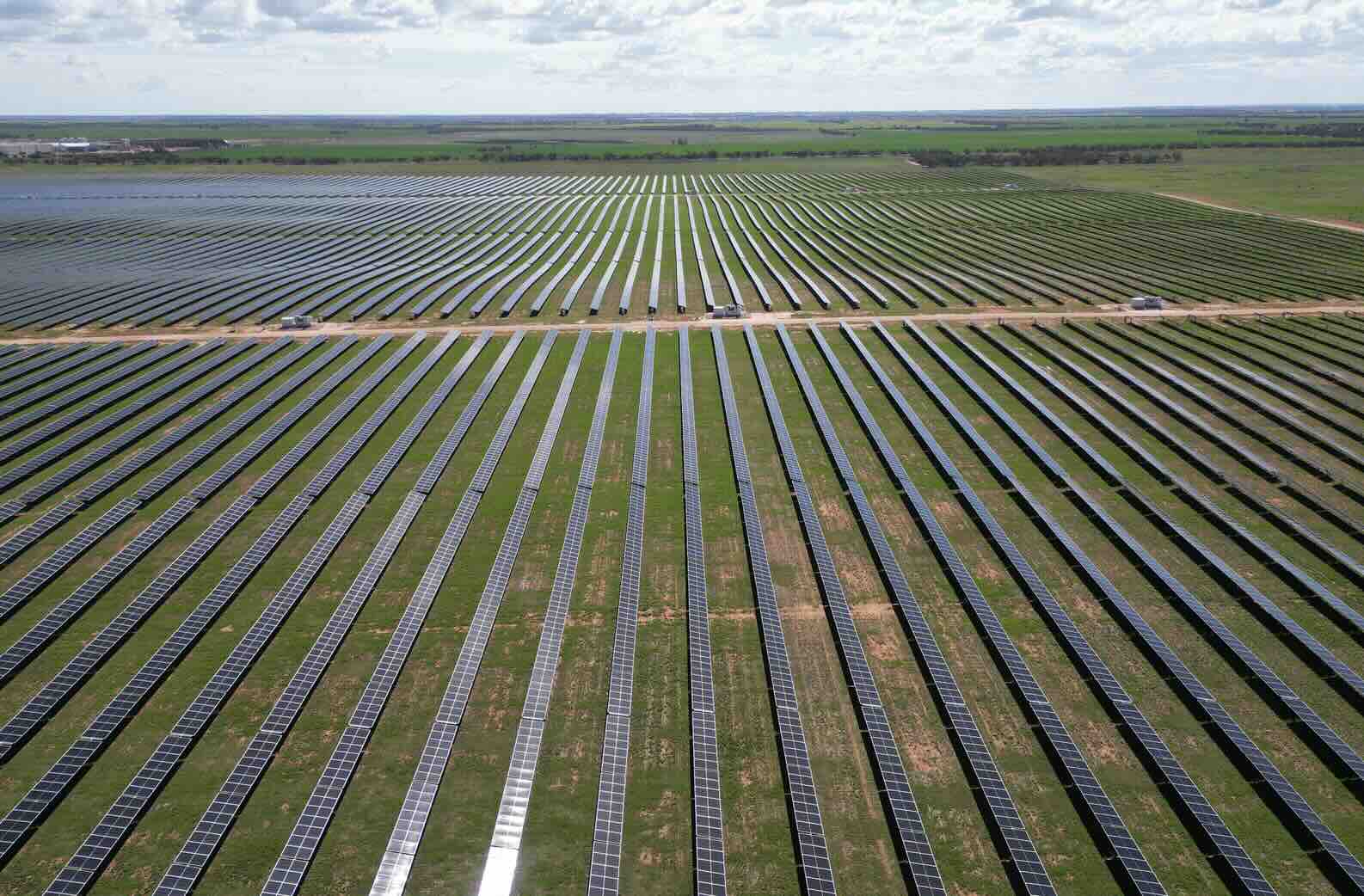
Increased Battery Storage Reduces Solar Farm Shutdowns
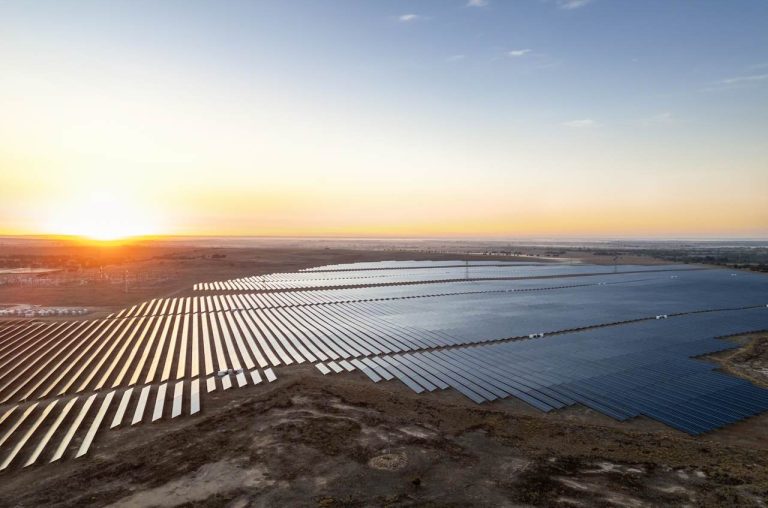
In recent years, solar farm owners have encountered significant challenges due to an increase in negative pricing during daytime hours, compelling many to shut down operations rather than pay to offload excess power. These difficulties stem from several factors, including the absence of battery storage in existing solar farms, competition from residential rooftop solar installations, and coal plants opting to pay for energy consumption rather than halt production.
However, this scenario is beginning to transform. Increasingly, new solar projects are integrating battery storage systems, with several already commencing operations. Additionally, the rapid expansion of grid-scale battery storage—tripling in capacity over the past year—coupled with a rise in home battery installations, driven by federal incentives, is fostering new demand during daylight, absorbing excess solar energy and stabilising prices above zero.
Decline in Economic Offloading
According to the latest Quarterly Energy Dynamics report from the Australian Energy Market Operator (AEMO), there has been a notable reduction in economic offloading among solar farms, particularly in the September quarter. This trend represents a 54 per cent decrease in offloading for grid-scale solar compared to the same period last year, averaging 177 MW less. The percentage of offloading relative to average solar availability also dropped significantly, from over 16 per cent to just 5.9 per cent.
AEMO attributes this decline to an uptick in grid-scale battery charging and heightened operational demand during the day, which has mitigated the need for solar farms to offload excess generation for economic reasons.
Regional Variations
The most pronounced shift occurred in Queensland, where the average offloading for grid-scale solar farms diminished by 63 per cent, equating to a reduction of 139 MW. Similar declines were observed in New South Wales, which saw a drop of 61 per cent or 37 MW, and South Australia, with a decrease of 24 per cent or 7.5 MW. Conversely, Victoria experienced an increase in economic offloading, jumping by 52 per cent or 7 MW.
In contrast, wind farms have been less impacted by economic offloading due to their operational patterns, which generally produce energy outside of peak daytime hours. AEMO reported that while the absolute economic offloading for wind fell to 266 MW, its relative share of wind availability remained steady at 5.9 per cent year-on-year. South Australia noted the highest reduction at -35 MW, a decrease of 31 per cent, partly aided by a new transmission link to New South Wales. Other drops were seen in New South Wales (-8.1 MW, -66%) and Queensland (-8.6 MW, -39%), while an increase in Victoria (+6.9 MW, +4.3%) was noted.
Network Curtailment Challenges
On a less positive note, network curtailment—enforced by local networks and market operators due to bottlenecks and security issues—has soared, reaching an unprecedented average of 281 MW for both wind and solar. AEMO highlighted that grid-scale solar faced the brunt of this curtailment, nearly tripling to 169 MW, which represents 6.7 per cent of total solar availability. The south of New South Wales, where grid bottlenecks are prevalent, felt the impact most, along with some solar facilities in northern Queensland.
The situation for solar farms in South Australia and Victoria remained relatively stable. In terms of wind farms, curtailment across the main grid increased by approximately one-third, averaging 113 MW or 2.5 per cent of average wind availability. Victoria was the most severely affected, followed by Queensland, while network curtailments in South Australia and Tasmania saw a decrease, with conditions remaining unchanged in New South Wales.