Energy Czar Reports Rising Solar Project Complaints
Last year marked a record period for the federal energy commissioner, who handled 205 new cases and noted a rise in complaints related to large-scale solar farms, although complaints concerning transmission lines have decreased.
Tony Mahar, the Australian Energy Infrastructure Commissioner (AEIC), has observed some positive changes among project developers, while also pointing out areas where practices fall short. He describes the ongoing situation in communities as still quite delicate.
Nuanced Challenges in the Energy Sector
In the introduction to the AEIC’s annual report for 2025, Mahar reflects, “My overall assessment after this first year is that the challenges are more complex and deeper than I had even imagined.” He acknowledges some encouraging signs in the sector’s responsiveness, stating, “I have seen energy developers make changes in response to community concerns and input and improve benefit sharing.”
However, he emphasises that some activities still do not meet best practice standards and require improvement. Mahar is optimistic about the new Developer Rating Scheme, although he cautions that it isn’t a “silver bullet.” He believes it marks an important shift towards enhancing accountability within the industry.
Benefits of Community Engagement
The AEIC’s report highlights the tangible benefits of engaging senior executives from energy companies, along with local politicians, who take the time to visit communities. Simple acts of listening have proven effective in mending relationships between residents and developers.
Out of the 205 cases recorded last year, 170 were complaints, with one project being the source of 15 of these grievances. Most complaints originated from Victoria and New South Wales, where populations are larger and the AEIC has a more substantial presence.
Complaints Overview: Solar vs Transmission
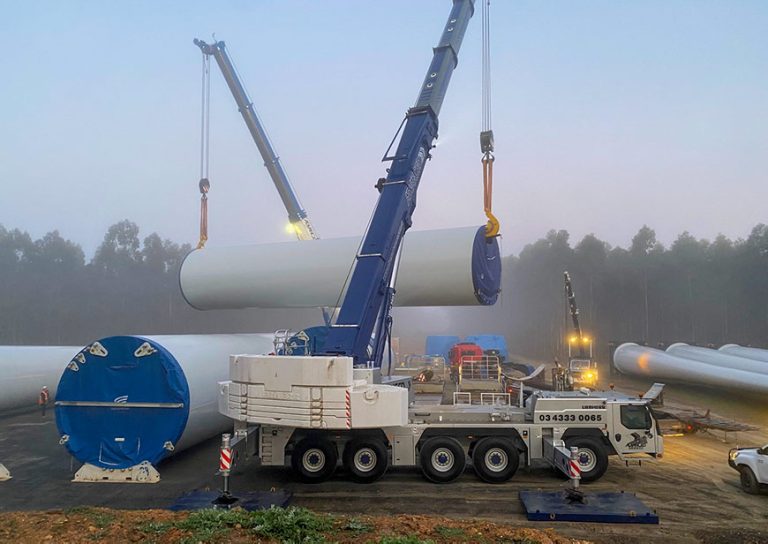
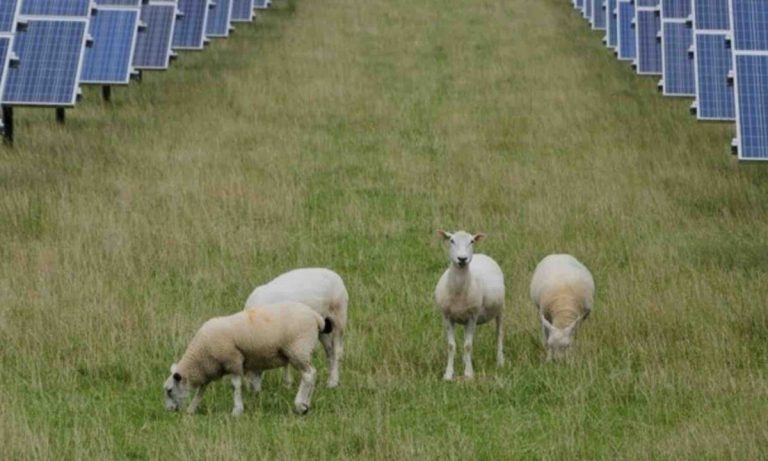
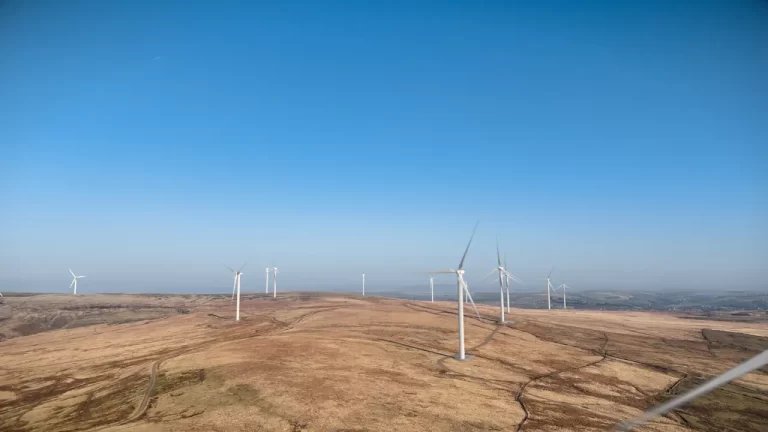
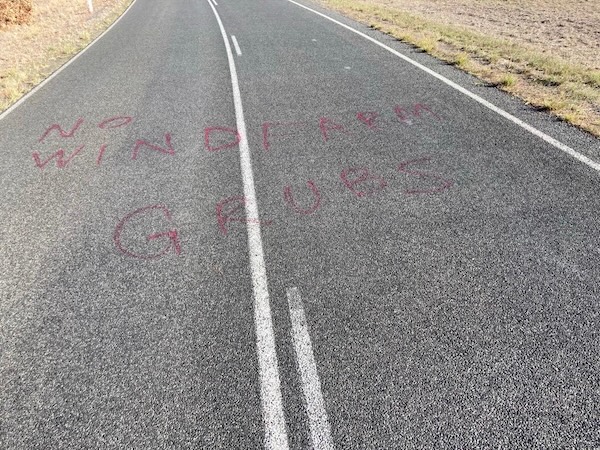
Wind farms accounted for half of the complaints received by the AEIC, while issues with solar projects were notably up, especially concerning a few unnamed initiatives. In contrast, transmission line complaints reduced, attributed to improvements in how states facilitate direct communication regarding these issues.
The prevalent concerns reported by the community include engagement processes, amenity disruptions, environmental impact, and financial losses, with planning complaints edging out previously dominant safety concerns.
Addressing Ongoing Risks and Planning Concerns
The AEIC report flags bushfire risk as a persistent issue, urging developers to dedicate more effort to addressing community inquiries and demonstrating risk management strategies. The nature of complaints reveals how challenging initial engagement can be; issues noted included the timing of first contacts and the complexity of information provided.
Long planning processes pose further challenges, as the window for public submissions often lasts just a few weeks, creating hurdles for individuals and communities trying to navigate lengthy technical documents.
Looking Ahead: Communications Strategy
The tone of this year’s report is notably more optimistic compared to Mahar’s comments after the previous year’s report, where he expressed concerns that the 2024 engagement review was being neglected, potentially allowing existing issues to worsen.
The 2024 Community Engagement Review, produced by Mahar’s predecessor Andrew Dyer, delivered a stark assessment of community relations with the energy sector, highlighting a significant distrust towards renewable energy developers, especially those involved in major grid projects. Dyer’s team recommended several critical actions, including the Developer Rating Scheme and a pressing need for a comprehensive and government-led national communications initiative to counter misinformation.
Priorities for 2026 and Beyond
One recommendation that is now atop the AEIC’s agenda for 2026 involves a structured communications approach, which Mahar asserts is not merely another promotional effort but an essential campaign to elucidate the rationale behind the energy transition.
He states, “If managed well, much of the ‘heat’ in the energy shift can be relieved through proponents and governments doing the basic things right.” This includes ensuring clarity, consistency, accountability, and building trustworthy relationships within the community.
In addition, the AEIC is preparing informative fact sheets addressing topics like contamination, land-use planning, shadow flicker, noise, and fire risk, furthering its commitment to combat misinformation.