Australia’s Renewable Energy Target Faces Supply Chain Challenges
As Australia accelerates the adoption of renewable energy, the delivery of solar projects is increasingly threatened by cargo damage and supply-chain disruptions. In an insightful discussion, Tom Hughes, head of marine at AXA XL Australia, and Sameen Naveed, senior marine claims specialist at AXA XL, delve into the hurdles faced by developers, the intricacies of insurance claims, and how enhanced risk management strategies can help keep projects on track.
Understanding Cargo Risks for Solar Projects
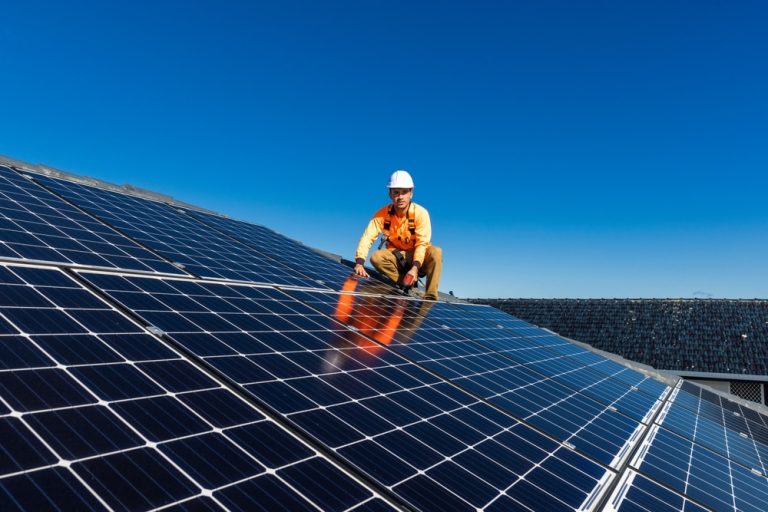
According to Tom, while solar modules may appear sturdy, they are, in fact, delicate pieces of precision equipment. Incidents such as a pallet being dropped or prolonged vibrations on poorly maintained roads can cause invisible damage, like microcracks, which only become apparent through specialised tests. This complexity in causation necessitates a comprehensive examination of packaging, handling, condition assessments, and quality control documents at each stage of transfer.
While these risks are not exclusive to Australia, the local conditions create a unique combination of challenges. An oversized transformer, for example, might make it safely across the ocean but could encounter various obstacles, such as bridge limitations, tight corners, flooding, or poorly maintained access roads on its final leg of the journey. In fact, the critical final 500km can weigh more heavily on project timelines than the initial 8000km.
The Complexities of Insurance Claims
Sameen adds that one of the first points of contention is often determining the appropriate contractual remedy. Similar damage symptoms might stem from various sources, including transit damage, manufacturing defects, installation problems, or warranty issues, each necessitating different forms of evidence and accountability.
For claims regarding solar modules, it’s essential to differentiate between multiple factors, including accidental damage during transit, inherent manufacturing flaws, defective packing, installation-related damage, regular wear and tear, and failure to meet promised performance standards. Notably, the mere presence of a defect does not automatically qualify for insured marine loss, making causation a pivotal aspect of any claim.
The Impact of Cargo Risks on Project Timelines
Tom asserts that cargo risks can significantly affect project timelines. For instance, the replacement value of a damaged component might seem minor, but if a vital transformer is compromised and needs rebuilding amid long production delays, it could jeopardise the project’s commercial operation date. This situation may lead to increased contractor costs, obligations for debt servicing, liquidated damages, and lost revenue. Thus, the critical question pivots from “What is it worth?” to “What are the implications if it doesn’t arrive on time and in one piece?”
Sameen points out the difficulty in distinguishing delays caused by insured damages from those already affecting the project for other reasons. Existing delays might stem from various factors such as approvals, construction, grid connections, labour shortages, or procurement issues, complicating the analysis of delay in start-up (DSU) when damaged goods are found. A disciplined approach is essential to assess project timelines thoroughly before and after the loss.
Geopolitical Risks in the Solar Supply Chain
Tom highlights the concentration of the solar supply chain as the primary geopolitical risk. Many components are sourced from a limited number of Asian manufacturing centres, meaning that two suppliers might rely on the same factory or port. Therefore, it is crucial to look beyond the immediate suppliers and examine where the components are produced, whether alternative suppliers are feasible, and how lengthy recertification or redesign processes might be.
Maritime security also plays a critical role. Delays resulting from rerouted vessels can extend far beyond the initial arrival time, complicating logistics such as port schedules, customs clearances, and equipment necessary for on-site operations. Given Australia’s geographical distance from these manufacturing hubs, the possibility for recovery is diminished.
Mitigating Supply-Chain Disruption
Tom does not see a return to a former state of “normal” regarding supply-chain conditions. Rather, ongoing volatility is likely to remain a constant. As technology evolves rapidly, the components specified at the project’s financial close might become obsolete by the time damage occurs, necessitating new compliance studies or validations. It’s essential to assess a project’s ability to withstand disruptions without compromising its financial viability, looking for aspects such as schedule flexibility and replacement strategies.
On the claims front, Sameen stresses that supply-chain delays do not inherently constitute an insured marine cargo loss. Disruptions due to congestion or factory problems differ substantially from delays stemming from physical damage to the cargo. Standard coverage primarily addresses losses due to physical damage, while consequential delays often require specific provisions.
Enhancing Local Resilience
Australia need not manufacture every component in-house. Instead, it should focus on developing capabilities where it holds a competitive advantage or where delays would lead to disproportionate impacts, such as in module assembly or select electronic components. Financial initiatives like the Federal Government’s $1 billion Solar Sunshot programme aim to bolster the broader manufacturing environment.
Practical measures can yield significant improvements with immediate effects. For instance, using shock indicators and preserving original pallets can safeguard modules in transit. Ensuring robust contracts that outline liability for damaged cargo and establishing clear operational protocols will aid resilience in the event of disruptions.
Conclusion: Navigating Risks for Continued Growth
As Australia aims for an ambitious target of 82 per cent renewable energy, understanding and addressing the various risks that accompany cargo and supply-chain challenges will be crucial. While these risks may not single-handedly dictate the outcome, repeated delays can accumulate and pose significant threats to the timely delivery of essential energy projects. By identifying potential failures and incorporating realistic timelines for replacements, developers can fortify their capacity to deliver reliable energy while advancing Australia’s green ambitions.