Renewables Achieve 80% Power in NEM for First Time
Renewable energy powered 80% of Australia’s National Electricity Market, marking a significant milestone in the transition to cleaner energy sources.
Solar Category of Energy Magazine
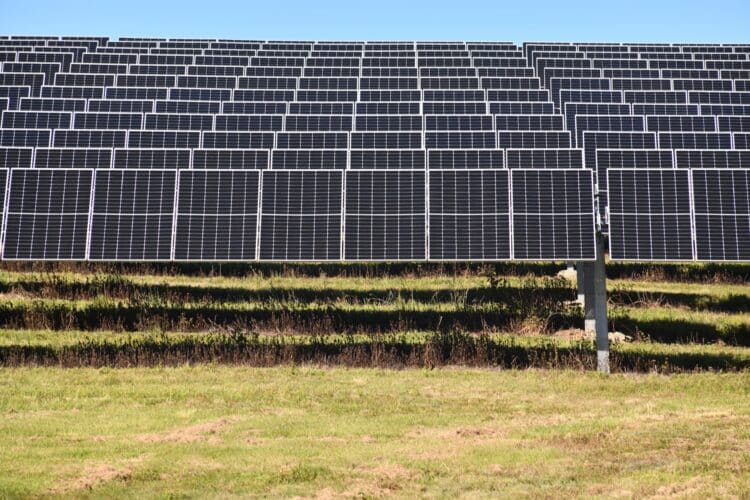
Renewable energy powered 80% of Australia’s National Electricity Market, marking a significant milestone in the transition to cleaner energy sources.
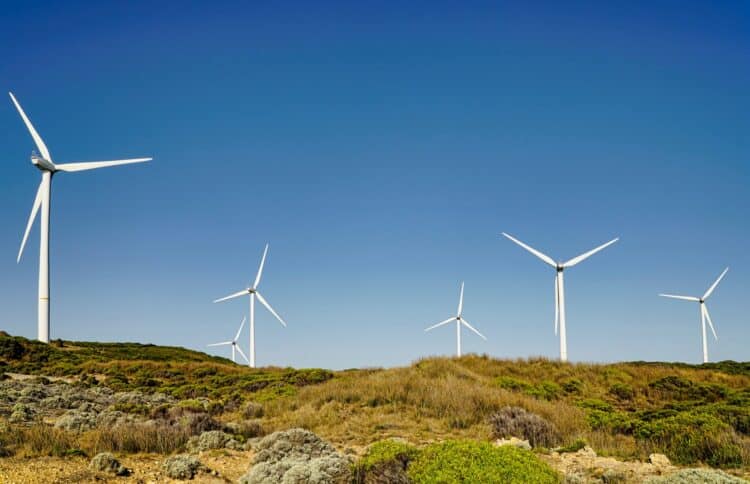
Victoria refines its renewable energy zone network, deciding against declaring the Central North zone due to limited grid capacity and community concerns.
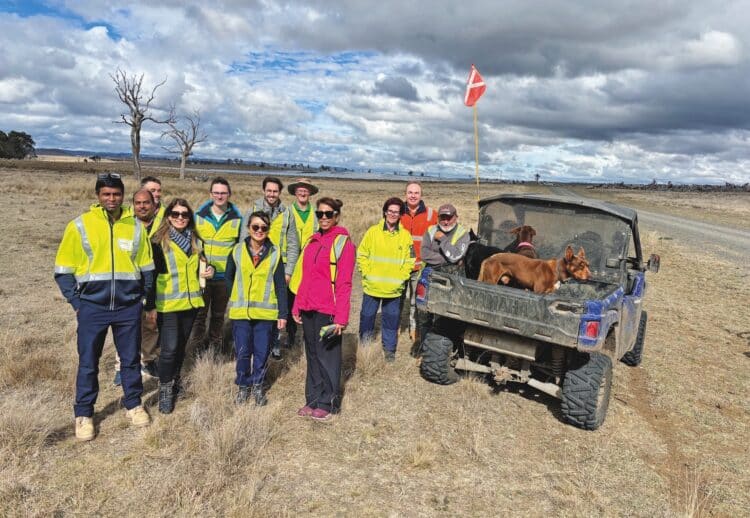
CSIRO and Macquarie University collaborate to optimize vegetation management at New England Solar, balancing fire risk and grazing needs using advanced technology.
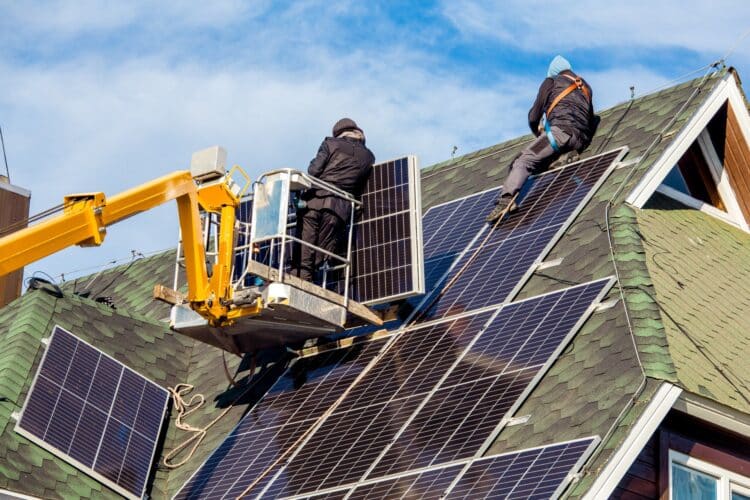
South Australia’s rooftop solar met 99.9% of electricity demand, showcasing the impact of distributed energy resources on the power system.

Electric vehicles are crucial for Australia’s energy transition, offering savings and efficiency benefits while supporting household electrification and renewable energy adoption.
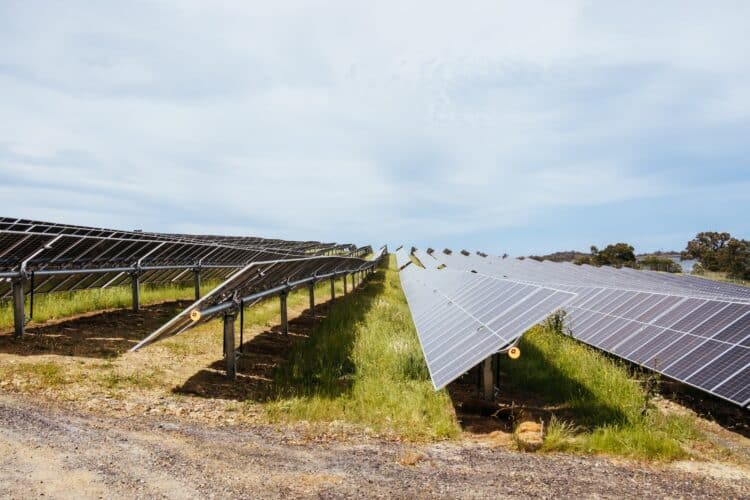
ENGIE ANZ’s Goorambat East solar farm, backed by Microsoft, supports renewable energy and local jobs in Victoria.
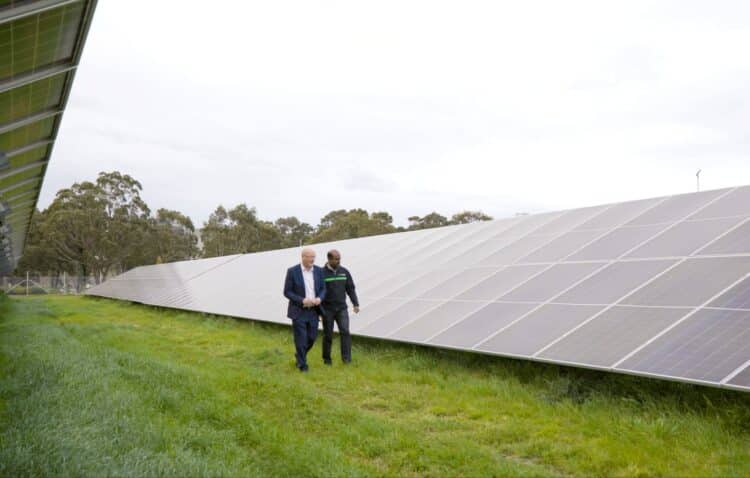
La Trobe University’s solar farm integrates 4300 panels and battery storage, enhancing energy efficiency and supporting net-zero goals by 2029.

Western Australia’s SWIS grid evolves with renewable energy, achieving 46% demand supply and surpassing 1GW battery capacity, enhancing stability and reducing reliance on fossil fuels.
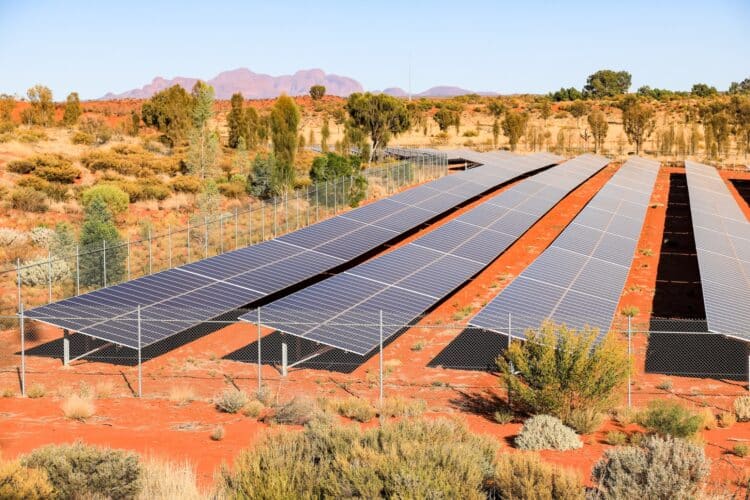
Frontier Energy secures funding and contractor for Waroona, a significant renewable energy project in Western Australia, aiming for completion by 2028.
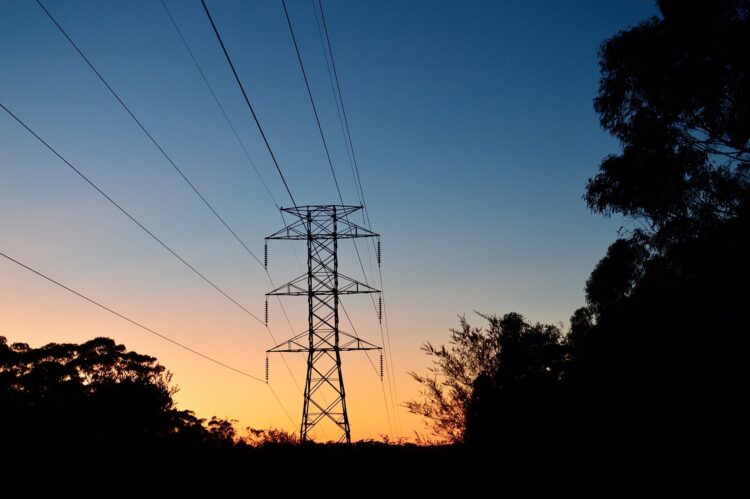
From April 8 to 12, South Australia and Victoria faced negative wholesale electricity prices, driven by renewable energy sources and imports.
NEM emissions intensity has dropped 25% since 2020, with South Australia leading the decline through renewable energy sources.
VicGrid announces progress on renewable energy zones, assessing community feedback from 580 submissions for future energy planning in Victoria.