Renewables Achieve 80% Power in NEM for First Time
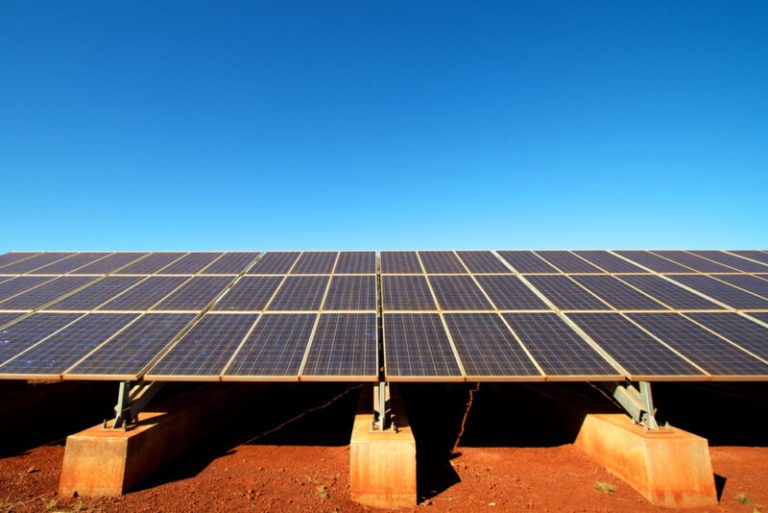
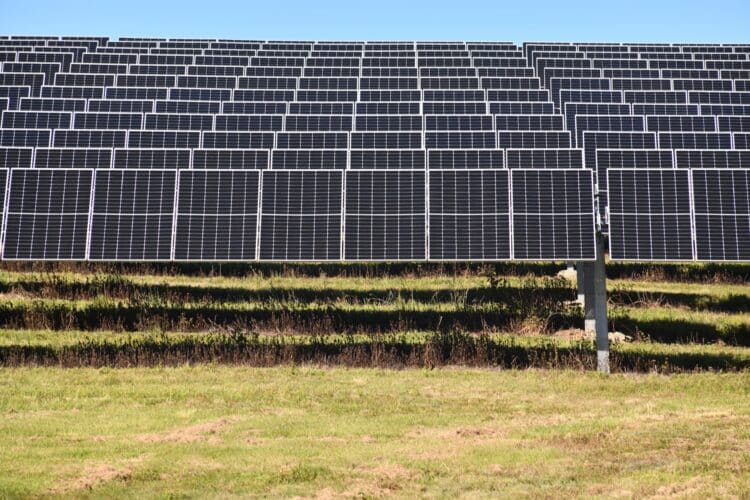
For the first time, renewable energy has achieved a remarkable milestone by supplying 80 per cent of the National Electricity Market (NEM). The Australian Energy Market Operator (AEMO) confirmed this achievement at 12:30 pm on Saturday, largely due to a warm, sunny day that invigorated solar energy production across much of Australia’s east coast.
On that day, rooftop solar systems accounted for 52 per cent of the renewable energy contribution, while utility-scale solar made up 16 per cent and wind energy contributed 11 per cent, totalling 26,146 megawatts (MW) from renewables. In contrast, non-renewable sources provided just 6,360 MW, with coal making up 19 per cent of the NEM’s overall power generation.
Changing Dynamics in Energy Generation
This record represents an instantaneous peak rather than a consistent supply level over lengthy periods, yet it highlights the evolving energy generation landscape as more renewables enter the system.
In the June quarter of 2026, renewables accounted for an average of 42.1 per cent of the NEM’s supply, marking a new high for Q2. This follows an impressive 46.5 per cent contribution in the March quarter, setting a record for Q1. During this time, the average underlying electricity demand reached a record 24,220 MW, and the average wholesale prices across the NEM plummeted by 47 per cent year-on-year to $74/MWh, the lowest level for a June quarter since 2020.
Significant Price Changes Across States
Victoria noted the steepest decline in wholesale prices, dropping 60 per cent to $56/MWh. New South Wales saw a 53 per cent reduction, while Queensland experienced a 44 per cent fall in prices throughout the quarter. These developments portray a significant shift in the energy sector.
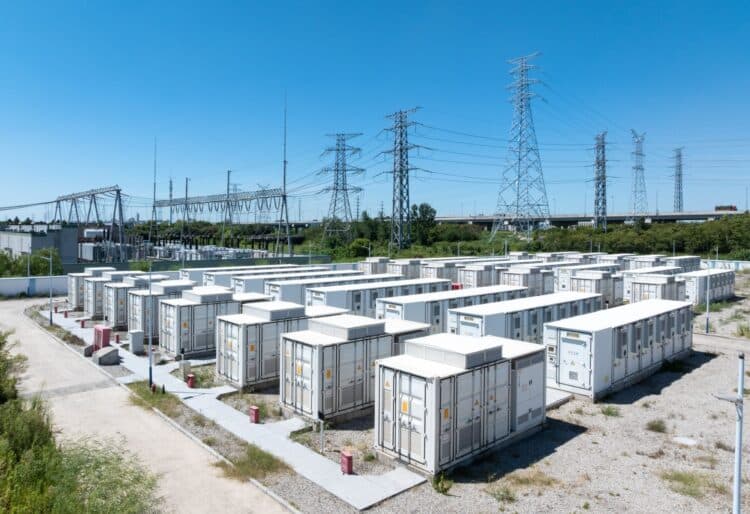
Despite these successes, AEMO faces the challenge of managing renewable energy resources as coal-fired generation is gradually phased out. This transition increases the necessity for storage and transmission capabilities to efficiently distribute renewable electricity across various regions and timelines, especially as the system is set to experience more frequent peaks in renewable energy generation.