Halls Creek to Transition from Diesel to Solar-Battery Hybrid Power
The federal EPBC has approved one of several renewable energy initiatives aimed at transitioning Western Australia’s remote towns away from reliance on diesel fuel towards a mix of solar, wind, and battery storage solutions.
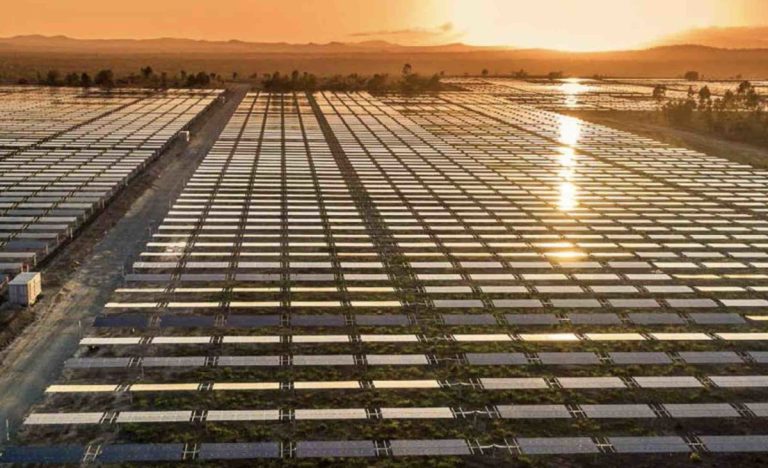
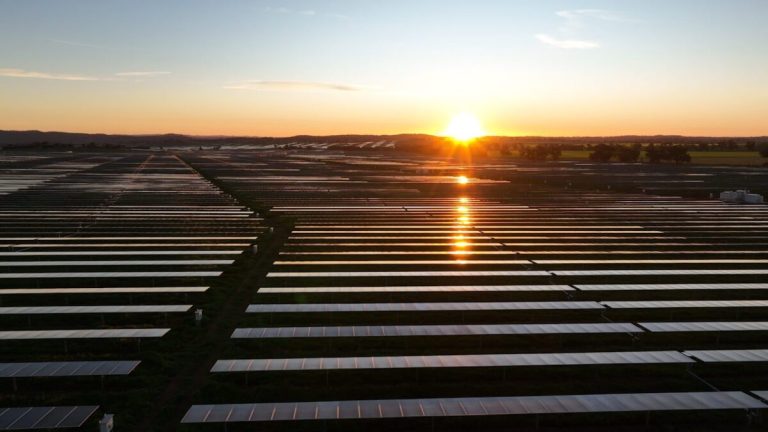
The Halls Creek Future Energy System will transform the east Kimberley town, utilising 4 megawatts (MW) of solar power, a 2 MW battery with a capacity of 2 megawatt-hours (MWh), alongside a newly constructed gas power station of up to 4 MW, effectively replacing existing diesel generators and a gas power station operated by EDL.
Quick Approval for Renewable Energy Project
The EPBC’s swift decision, which classified the project as not a controlled action, came just three months after it was submitted for assessment by Horizon Power, a utility owned by the Western Australian government.
The EPBC referral indicates, “Many towns in the Kimberley are powered by high emission fossil fuels such as diesel and gas. Currently, in Halls Creek, Horizon Power is sourcing electricity from an independent power producer.” It further notes that as the power purchase agreement (PPA) is nearing expiry, this presents Horizon Power with a chance to incorporate more renewable energy into the local grid.
Future Development Timeline
The next two years will be focused on securing final approvals and conducting design work ahead of a final investment decision, with construction set to begin in 2028. The project is anticipated to commence operations by either 2029 or 2030.
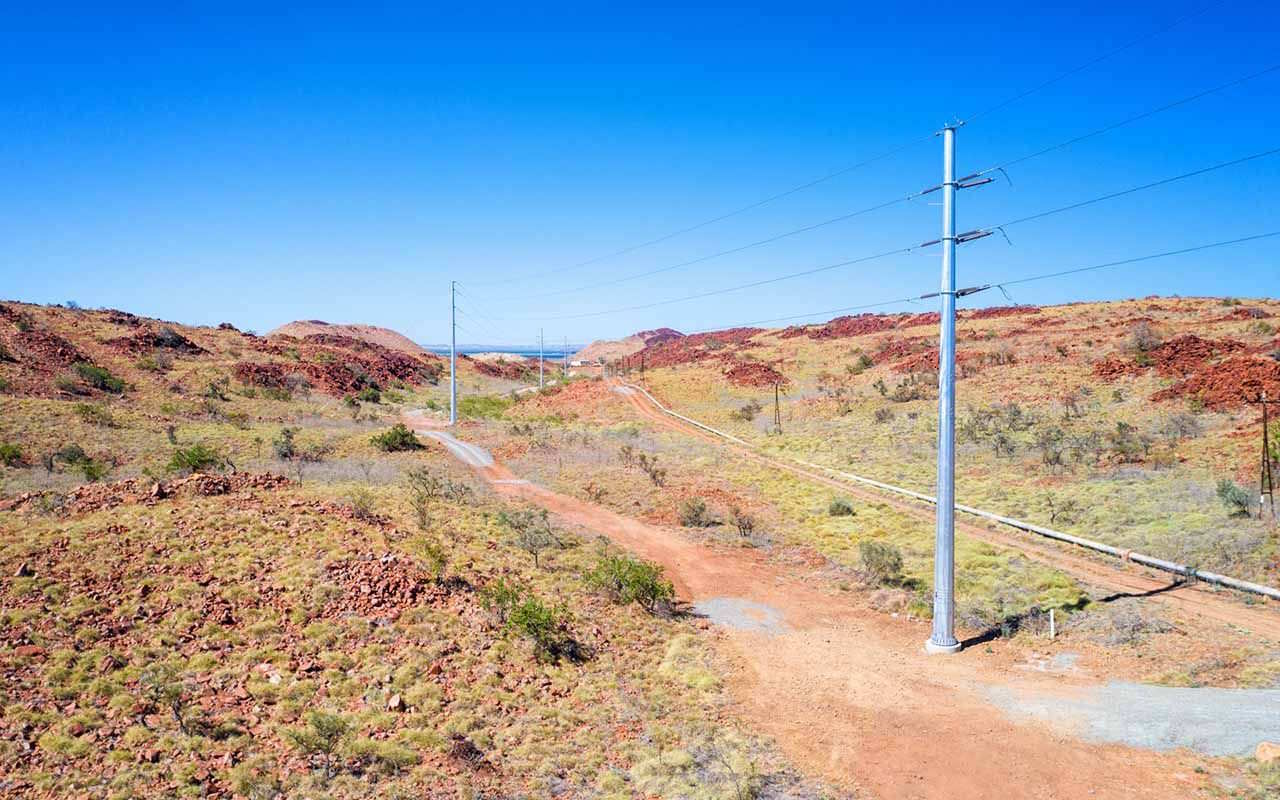
The new electricity generator will be situated approximately 3 km south-west of Halls Creek, connected to the existing power station via a new 3 km underground network. Additionally, the new thermal power station will be constructed adjacent to the current facility.
Part of a Wider Energy Initiative
Halls Creek forms part of a broader “future energy system” project comprising seven initiatives within the Horizon Power network. These projects will update ageing wind turbines in Hopetoun and Coral Bay—located on opposite ends of the state—while also replacing diesel and gas supplies in more isolated areas like Derby and Fitzroy Crossing.
According to Horizon Power’s website, the aim is to complete all five Kimberley projects by 2030.
Heatwave Protections and Community Concerns
This shift towards substantial renewable energy sources is occurring amidst calls from First Nations groups for Horizon Power, other energy retailers, grid operators, and local governments to enhance their heatwave protection measures.
Although Horizon Power has opted not to reply to enquiries regarding a heatwave trial as raised by Renew Economy, it does have provisions for a temporary moratorium on disconnections during emergencies. However, it remains uncertain if heatwaves are included in this support.
To stay updated with the latest in clean energy developments, join over 29,000 subscribers and sign up for our complimentary daily newsletter.