Challenges Facing Renewable Microgrids in First Nations Communities
Medium-sized renewable microgrids are struggling due to unclear policies and the absence of standardised connection protocols, creating hurdles for remote First Nations communities seeking the same energy security enjoyed by other Australians.
To enhance the number of connections to the grid, market operators and utilities have poured resources into standardising processes. However, these regulations are still viewed as overly complex for projects ranging from 5 to 40 megawatts (MW) that could supply reliable power to smaller remote areas, according to Ekistica engineer Josiah Fajardo.
Challenges in Community-Based Projects
Speaking at the First Nations Clean Energy Symposium last week, Fajardo highlighted the specific challenges faced by smaller, community-driven energy projects. He noted that the current barriers, while established to protect the network from negative impacts, create significant obstacles for these initiatives.
“If we could adopt a similar method to ease these transitions for smaller projects… what are the main actions we could take to simplify their connection?” Fajardo remarked, suggesting there are viable opportunities to navigate this situation more effectively.
Learning from Previous Endeavours
Fajardo believes that the way forward lies in developing standardised procedures for smaller-scale projects, akin to the existing frameworks for larger ones. This is especially vital now as First Nations groups endeavour to implement small-scale projects that would significantly benefit remote areas.
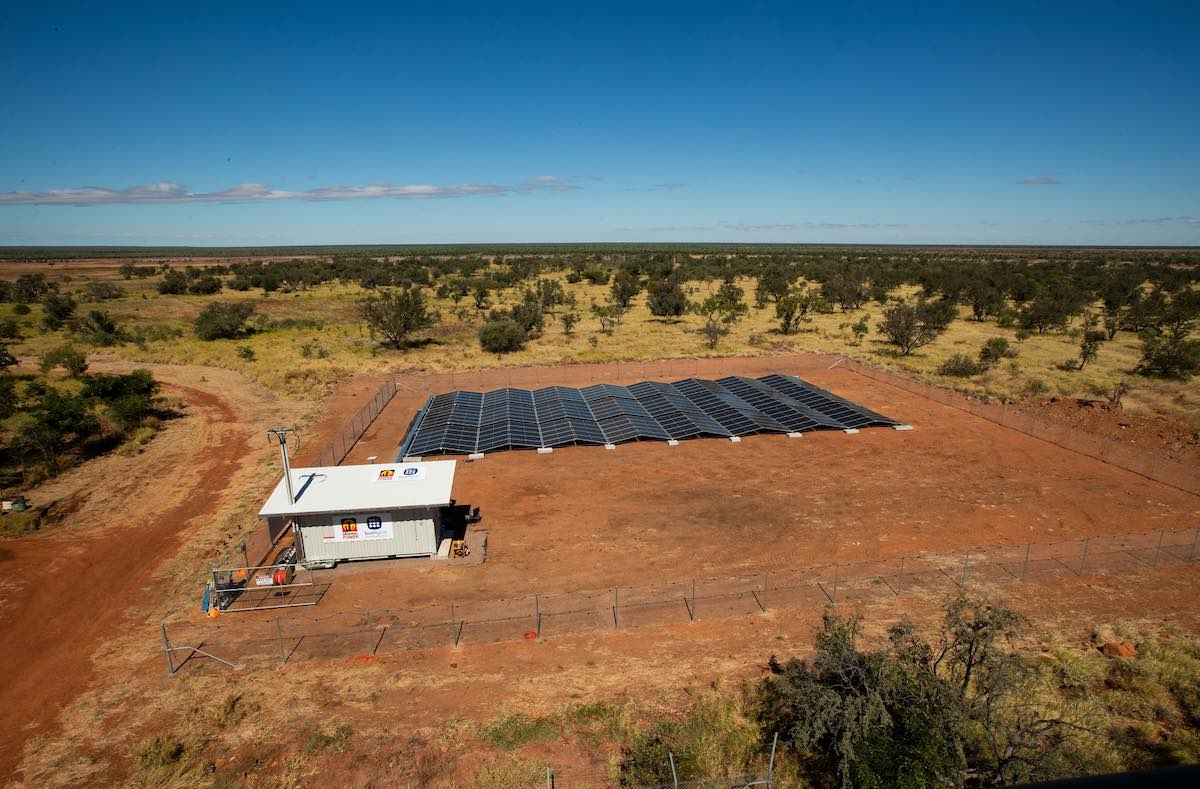
For example, Original Power’s 100 kilowatt (kW) solar system and 136 kilowatt-hour (kWh) battery microgrid in Marlinja, Northern Territory, encountered a five-year path to completion. They had to devise solutions for two-way revenue flows with pre-paid meters over three years, plus face undefined timelines and financing challenges due to a lack of grid connection assessment processes.
Efficiency Concerns for Remote Power Providers
For remote energy providers, managing numerous small systems across extensive areas is not ideal, according to Fajardo. “They seek standardisation. It’s crucial to keep processes straightforward since they are already stretched thin, managing numerous operations simultaneously,” he explained. “They prefer traditional diesel stations as they are familiar with their operation; innovative hybrid methods can complicate things.”
Financial Support and the Underlying Issues
The financing challenges for smaller remote projects were acknowledged recently by the federal government, which introduced a $10 million fund to assist in moving two such projects towards construction.
Nonetheless, Madison Sturgess, a cleantech specialist with the First Nations Clean Energy Network, pointed out that funding is merely a symptom of deeper issues. “The real problem isn’t the cost of community energy,” she stated at the symposium. “The regulatory and commercial conditions that have allowed other sectors of the energy market to thrive have not been extended to these community projects.” She added, “By not addressing this, we are missing out on significant community benefits.”
The Value of Community Energy Initiatives
Current connection processes render even a modest 5 MW project cumbersome and pricey, despite its potential as valuable community infrastructure, according to Sturgess. “Rooftop solar is straightforward because we have established a clear pathway for it. In contrast, we lack similar systems for community or distribution-level energy,” she elaborated.
She also pointed out that community energy can enhance and stabilise local networks, allowing batteries to provide additional services to the distribution network. “Revenue generated could help build a community fund, supporting not just household energy displacement but fostering community wealth and revitalisation,” Sturgess concluded.