NT Government Seeks New Solar Plant to Reduce Gas Peaker Reliance
The Northern Territory government is planning to harness Beetaloo gas to support future data centres, while its publicly-owned utility, Territory Generation, is shifting its attention towards increasing renewable energy initiatives. The utility is set to issue a tender for additional grid-scale solar generation capacity to enhance its energy infrastructure.
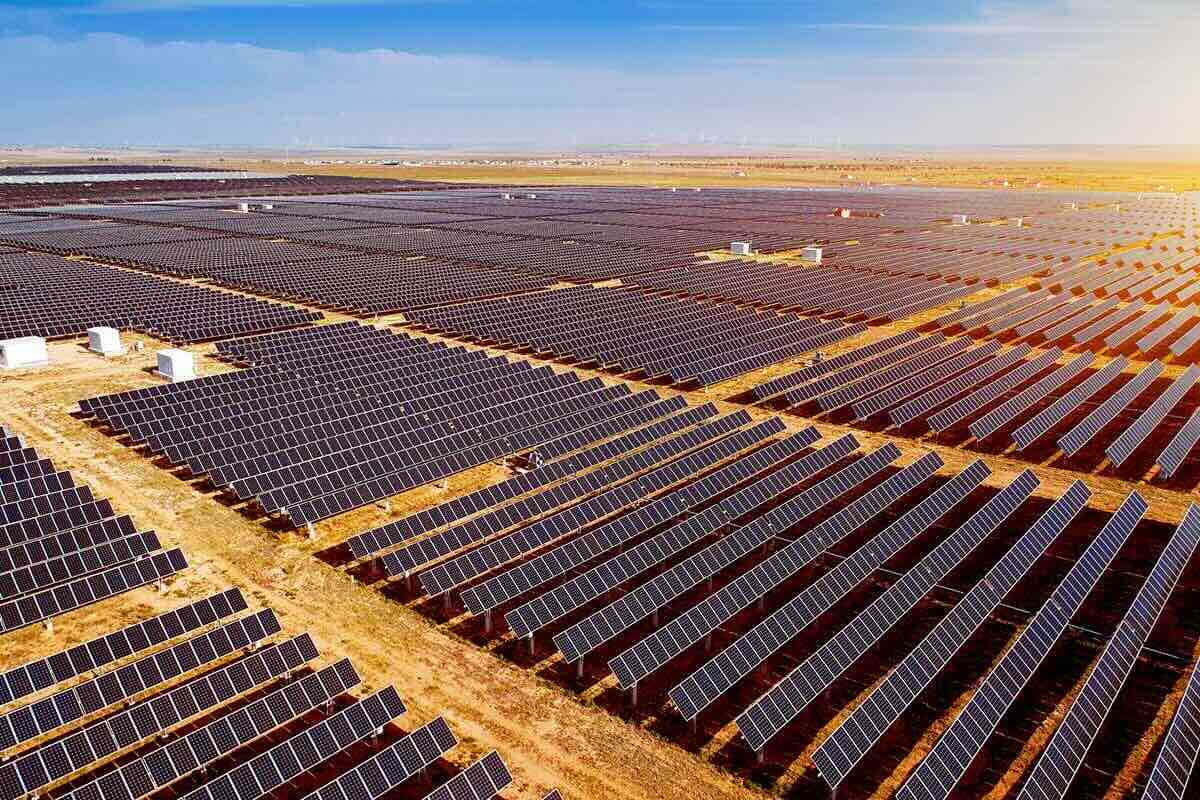
On Thursday, Territory Generation announced it is inviting Expressions of Interest (EOI) for the development of utility-scale solar power in Alice Springs, which operates on one of the Territory’s three standalone power grids.
Seeking Viable Solar Projects
The utility aims to explore project opportunities with generation capacities ranging from 5 to 15 megawatts (MW), potentially incorporating battery storage solutions. The EOI process will be instrumental in identifying both commercially and technically viable methods for establishing the solar facility.
The Northern Territory consists of three regulated grids centred around its major urban areas – Darwin and Katherine, Tennant Creek, and Alice Springs – which are not interconnected. Despite solar energy being the most affordable form of new power supply, the integration of utility-scale renewables has faced challenges in these regions.
Three solar farms located in Katherine, Batchelor, and Manton Dam, collectively generating approximately 45 MW and owned by Italian energy company ENI, remained inactive for nearly five years post-construction due to complications with grid connections that hindered commercial operations without additional battery storage.
Rod Hayes, CEO of Jacana Energy, the principal energy retailer in the NT, characterised this “slow, turgid, expensive process” last year. Fortunately, most of the issues have now been resolved, although a further project – a 10 MW facility in Batchelor – has been pursuing damages claims due to production delays.
Investments in Battery Storage
The Northern Territory’s first significant battery, boasting a capacity of 35 MW and 35 megawatt-hours (MWh), was launched in Darwin in 2024, surpassing expectations. Consequently, an additional two batteries will be added, including a 12 MW and 48 MWh system in Alice Springs, situated adjacent to the Owen Springs dual-fuel power station.
The Alice Springs battery, valued at $46.5 million, alongside a $35.6 million battery in Katherine (21.5 MW, 21.5 MWh), will be constructed by Pacific Energy, a firm specialising in off-grid projects, which is also among the pool of potential contractors for the upcoming solar initiative in Alice Springs.
According to the utility’s market notice, Alice Springs’s energy demand is primarily met by the gas-powered Owen Springs facility, the Uterne solar farm, and other solar sources from both commercial and residential sectors, with supplementary support from the Ron Goodin Power Station (RGPS).
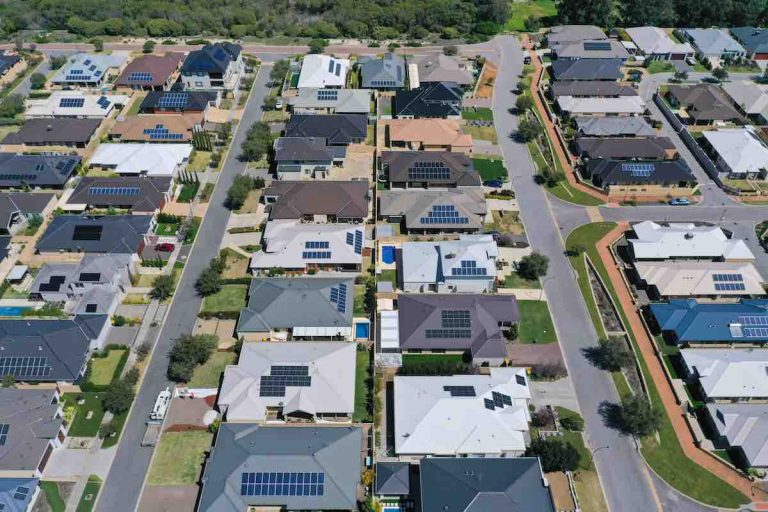
However, the increasing contribution from behind-the-meter solar has necessitated more variable operation from gas plants, causing “reduced operational efficiency, higher fuel use, and elevated maintenance needs.” Territory Generation believes that additional utility-scale solar and newer battery facilities will help alleviate these issues.
Territory Generation stated, “By integrating existing thermal generation assets with the forthcoming battery energy storage systems at Owen Springs, the inclusion of more solar capacity is anticipated to enhance system reliability, optimise the use of current assets, and lessen dependence on thermal generation.”
EOI Process and Grid Considerations
The EOI documents outline that various commercial delivery models for the solar installation may be considered, such as leased assets, Engineering Procurement and Construction (EPC) arrangements, and Power Purchase Agreements (PPA), with potential usage of government land near Owen Springs Power Station.
Prospective bidders have been cautioned regarding the Alice Springs grid, which currently has a peak load of around 54 MW and an average load of 23 MW. It is affected by multiple operational and technical constraints that could influence the design and performance of the proposed solar solutions.
The EOI details highlight important considerations that developers must keep in mind to avoid potential future curtailment. “Existing solar assets may face operational curtailment during phases of low demand and high generation,” the document specifies.
Respondents to the EOI are expected to consider factors such as minimum demand events, interactions with existing thermal generation capabilities, integration with current and future battery storage systems, and methods to maximise effective renewable generation while ensuring system security and reliability.
An industry briefing about the proposed solar facility is scheduled for Monday, with the deadline for submitting Expressions of Interest set for September 22 at 2 pm (NT local time).