Bowen Expands Solar Rebates to Boost Commercial Energy Transition
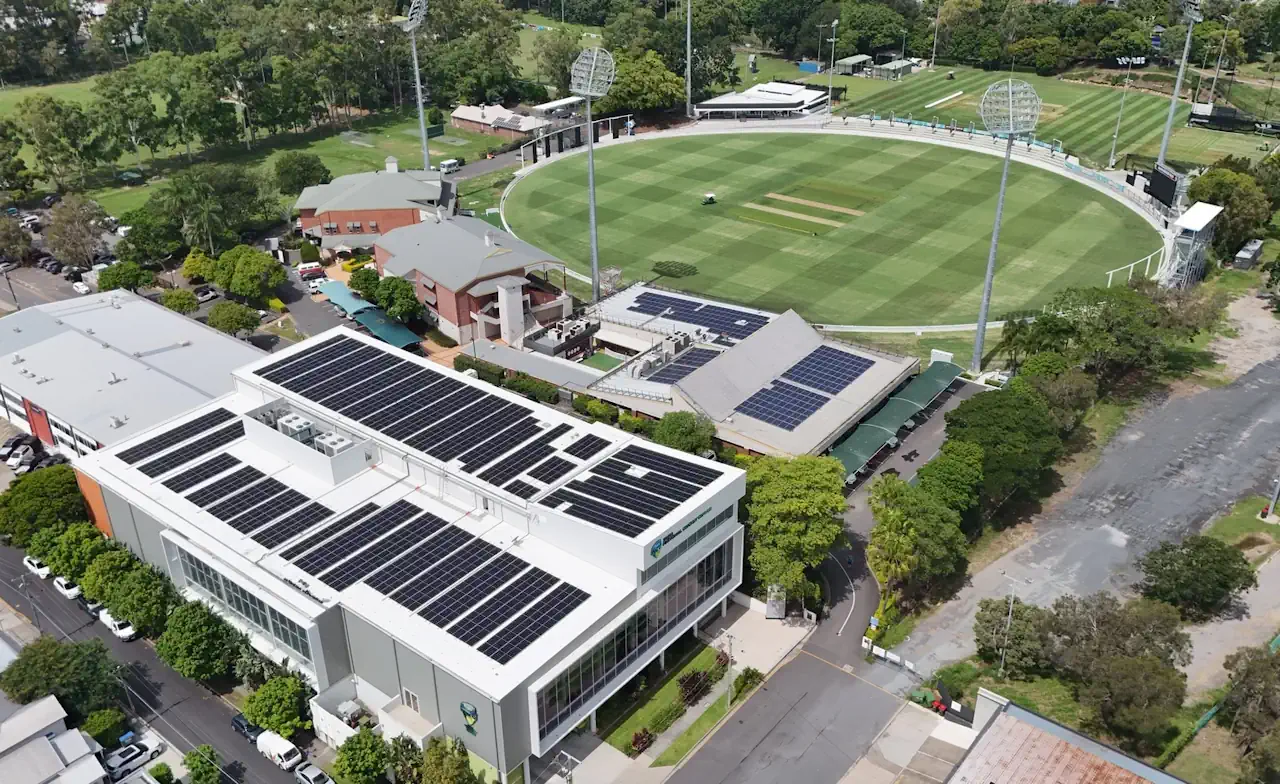
The federal Labor government has unveiled a significant revision to the longstanding solar rebate system, elevating the installation limit from 100 kW to a substantial one megawatt. This initiative aims to invigorate Australia’s “missing middle” and leverage the vast potential of solar photovoltaic (PV) systems on the rooftops of factories and farms.
This transformative announcement will be made by federal energy and climate minister Chris Bowen in an address at the National Press Club on Wednesday. Ahead of the speech, excerpts revealing the updated changes to the Small-scale Renewable Energy Scheme (SRES) were shared with the public.
Capitalising on Consumer Momentum
This strategic alteration seeks to harness the considerable momentum gained in the consumer energy sector, fuelled by the remarkable success of the home rebate programme, the launch of the Solar Sharer “free power” initiative, and the ongoing boom in the household rooftop solar market.
Despite this progress, Australia still possesses a colossal untapped solar potential, estimated at tens of gigawatts on the rooftops of commercial and industrial structures. Bowen is optimistic that the revised rebate can catalyse significant progress in this domain and urges regulators to ensure speedy approvals for such installations.
In the speech notes, Bowen remarked, “The lesson from Cheaper Home Batteries and EVs is clear to me: with the right policy settings Australians will respond enthusiastically in ways which, when added up, can lead to globally leading outcomes.”
Recognising a Missed Opportunity
Bowen acknowledged that while utility-scale solar is thriving and residential rooftop solar continues to set records, there exists a crucial gap in Australia’s energy transition that needs addressing.
Industry experts estimate the potential rooftop PV capability on factories, warehouses, and large industrial sites exceeds 80 gigawatts (GW); however, only about 5.6 GW has been installed thus far, in stark contrast to over 22 GW installed on residential rooftops. Bowen emphatically stated, “That’s an opportunity we should miss no longer.”
Although changes to the SRES were anticipated, Bowen has opted for a comprehensive overhaul, aiming for victories in energy transition while his flagship Capacity Investment Scheme remains in limbo, particularly for large-scale wind projects.
Support from Energy Experts
This initiative has garnered praise from energy analysts and environmental advocates. Annika Reynolds, national climate policy adviser at the Australian Conservation Foundation (ACF), expressed support, claiming, “ACF has long championed the expansion of federal schemes to better unlock rooftop solar for commercial premises. Rooftop solar is a win-win – it’s good for nature and good for people.”
The Smart Energy Council (SEC) echoed these sentiments, releasing a report highlighting the unfulfilled potential of the commercial and industrial solar market. They contend that the expanded SRES will prove to be a “permanent bill slasher” for businesses.
Rob Potter, head of policy and advocacy at the SEC, stated, “Over 10 million Australians have slashed their power bills with solar; now it’s businesses’ turn to do the same.” He noted that the initiative serves as the necessary boost for the commercial and industrial sector without requiring substantial subsidies or grants.
Forecasting the Future
Experts predict that within the first six months of the SRES expansion, around 300 MW of commercial and industrial solar installations could be realised. Over the next two decades, this could expand to an installed capacity of approximately 30 GW, with further estimates suggesting an eventual potential of 60 to 80 GW.
Bowen anticipates the new scheme will reduce installation costs for industries by about 20 per cent, allowing potentially significant savings. For instance, retailers could save approximately $68,000 on a 250 kW solar system installation, along with a yearly reduction of $50,000 in energy expenses.
Moreover, Bowen mentioned that delays in commercial rooftop installations have often stemmed from network service providers, which he described as “unacceptable.” He has urged the Australian Energy Market Commission to mandate a more efficient approval process for commercial and industrial solar applications.
Engaging with Network Service Providers
There is also a call for network service providers to engage more proactively with their commercial and industrial clients about optimal locations on the grid for solar capacity expansion. Potter relayed that a large industrial complex owner had only been contacted once over the past 15 years regarding the installation of medium or large-scale solar.
He expressed hope for the upcoming formal rule change process to improve this situation and is eager to assist the minister with insights from the industry.
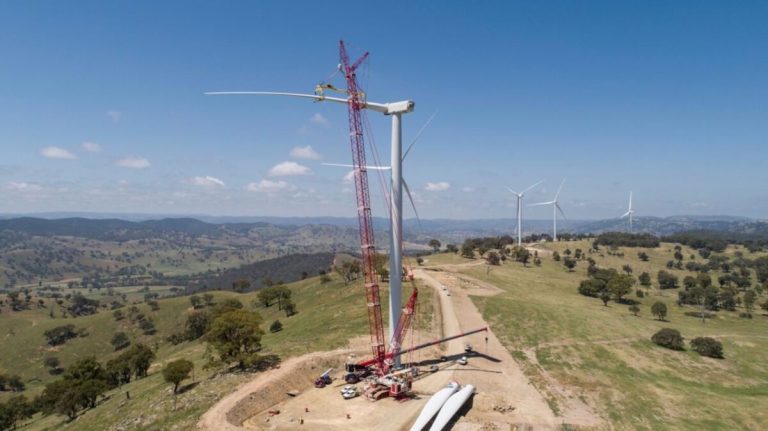
Despite the positive strides in solar adoption, challenges remain with large-scale renewables. A recent report from Bloomberg New Energy Finance (BNEF) suggests that Australia may fall short of its 2030 goal of achieving 82 per cent renewables, primarily due to delays in wind farm developments, even while solar and battery investments soar.
Reynolds from the ACF emphasised the urgent need for clarity regarding the closure dates of remaining coal-fired generators, asserting that simply accelerating renewable initiatives is insufficient for achieving the 82% target necessary for a sustainable climate and energy-independent grid.