Construction Begins on Major Solar-Battery Project for Giant Smelter
The head of Lightsource bp in Australia has announced a significant development in the global power landscape with the commencement of construction on a major solar and battery hybrid project, aimed at supplying energy to one of the country’s largest energy consumers.
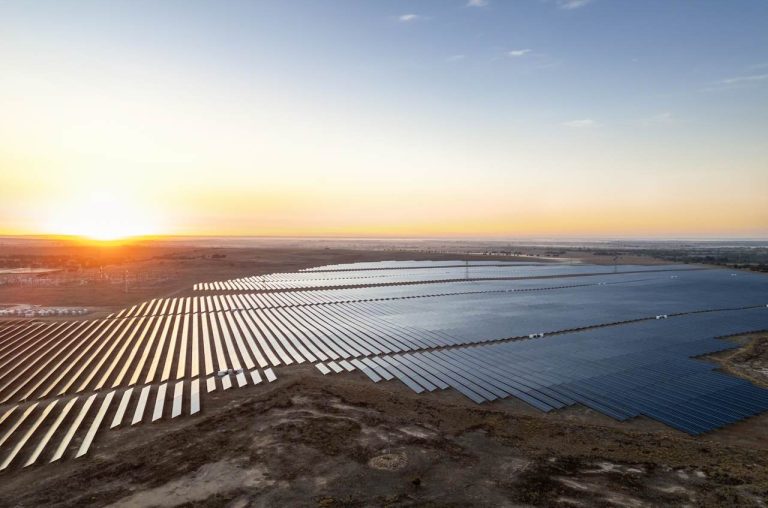
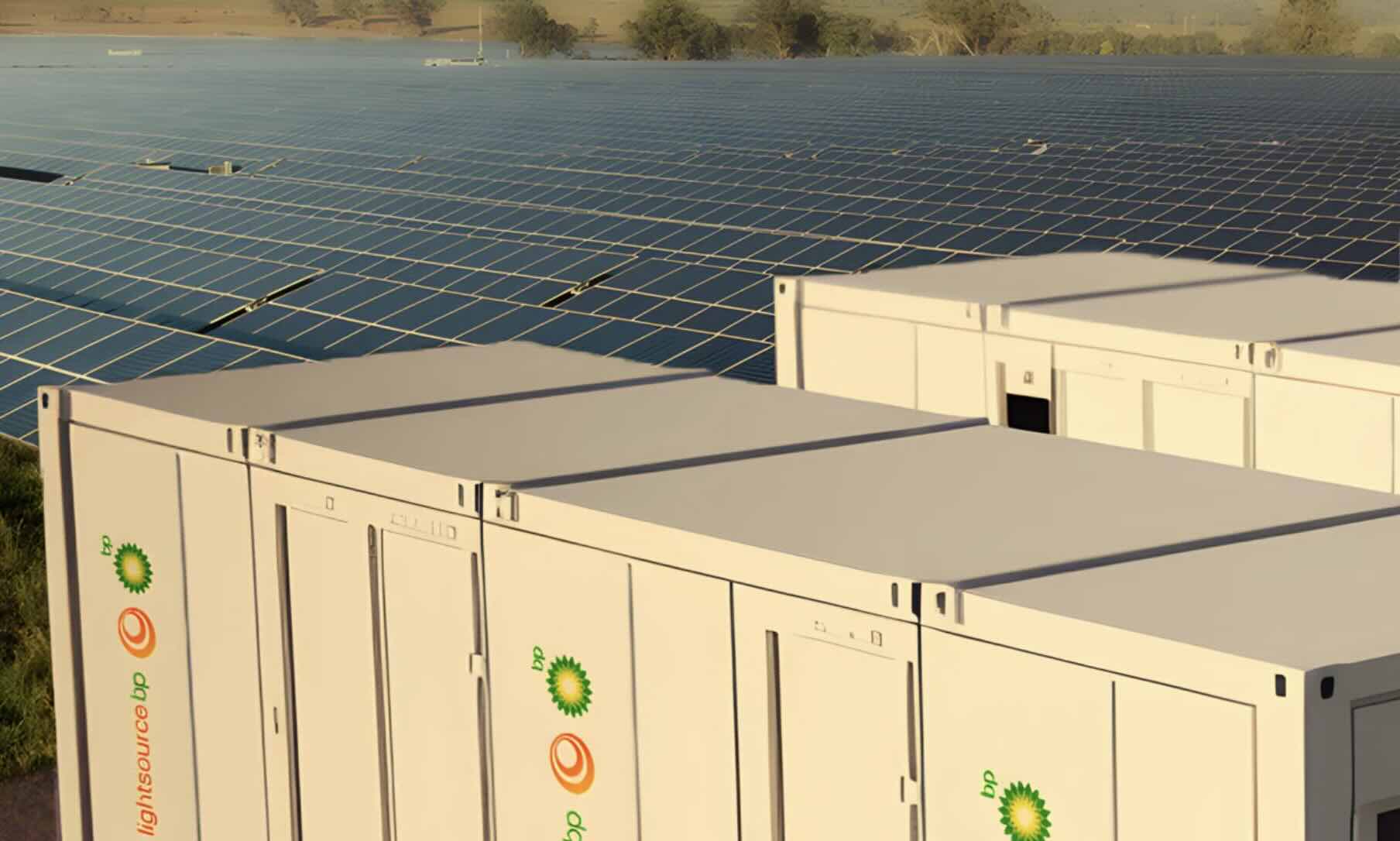
Located near Gympie in Queensland, the Lower Wonga hybrid project features an impressive capacity of 380 megawatts (MWdc) of solar energy paired with 281 MW and 843 megawatt hours (MWh) of battery storage, which positions it as one of the largest solar-battery hybrids in Australia.
Innovative Energy Solutions
Lightsource is already making strides in solar-battery hybrid technology with its earlier project, a 49 MW/562 MWh long-duration DC-coupled battery energy storage system designed to integrate with its expansive 585 MWdc Goulburn River solar farm located near Merriwa, New South Wales.
The Lower Wonga project, along with Edify Energy’s 600 MW (720 MWdc) and 2,400 MWh Smoky Creek and Guthrie’s Gap solar-battery hybrids, is particularly notable for its ability to cater to large energy consumers such as Rio Tinto’s Boyne Island smelter and associated refineries in Gladstone. According to Lightsource bp, this project could serve as a model for how industrial users approach energy procurement.
Changing Dynamics in the Power Sector
Adam Pegg, the Chief Operating Officer for Asia-Pacific at Lightsource bp, stated, “The global power sector is entering a new phase. It’s no longer solely about generating renewable energy; it’s also about the fact that solar and storage have become the most cost-effective energy sources to meet the rising demand from data centres, industrial sectors, and the growing need for electrification of transport.”
“The Lower Wonga project is a reflection of this transition. Solar energy stands out as the most affordable scalable source of electricity, while the added battery storage capability allows for the modulating of energy to meet peak demand times, thereby enhancing the grid’s flexibility and reliability.”
Pegg emphasised the importance of merging solar generation with storage capabilities to bolster the energy security offered by renewable sources, enabling consumers to enjoy long-term predictable costs throughout the project’s lifecycle.
Support from Rio Tinto and Government Initiatives
The partnership with Rio Tinto was announced earlier this year, coinciding with a significant $2 billion investment from state and federal governments aimed at aiding the mining giant in transitioning away from its ageing coal-fired power station in Gladstone, which is set to close in 2029. This transition will see a shift towards a mixed energy supply of renewables and dependable power sources.
Rio Tinto plans to invest approximately $7.2 billion in converting the Gladstone facilities from coal to renewable energy sources and will take 40 per cent of Lower Wonga’s output. In addition, the mining firm has secured off-take agreements with the adjacent Smoky Creek and Guthrie’s Gap solar-battery hybrids as well as other upcoming projects, including a 1.4 GW Bungaban wind project with battery storage, and a 1.1 GW Upper Calliope solar farm.
The Future of Energy and Economic Viability
Rio Tinto’s commitment to powering its smelters and refineries with renewable energy underscores its position that this is not only necessary but perhaps the only viable option amidst a politically charged landscape regarding energy policies in Australia. Given this context, the push for renewable energy sources is becoming crucial for maintaining economic competitiveness in a world increasingly focused on decarbonisation.
The existing coal-fired power station, which has been supplying the smelter since 1976 and has a capacity of 1,680 MW, is expected to be decommissioned in 2029, coinciding with the end of current power contracts for Rio’s smelter and alumina refineries in Queensland.
Growth in Renewable Projects Across Australia
The shift towards renewable energy projects is increasingly driven by mining companies, as evidenced by Fortescue’s ambitious plans to develop extensive wind, solar, and battery storage facilities aimed at achieving “real zero” emissions at its substantial iron ore operations in the Pilbara region.
In addition, data centres are emerging as another crucial sector in demand for renewable energy, with US firm Iren announcing plans to construct an 800 MW facility in South Australia, which will be the largest of its kind in the country, as it aims to achieve 100 per cent net renewable energy utilisation in the near future.
To fulfil state and federal expectations, these data centres are anticipated to secure Power Purchase Agreements (PPAs) with local wind and solar projects, with the goal of ensuring they contribute to a clean energy future rather than relying on fossil fuels.
Significance of the Lower Wonga Project
Lightsource bp regards the Lower Wonga initiative as one of its most significant hybrid renewable energy projects globally. It is designed to deliver affordable electricity while adapting effectively to fluctuating demand patterns within the energy system.
This project has gained additional backing through the Australian Government’s Capacity Investment Scheme (CIS), which mitigates financial risks for developers, facilitating easier access to funding and enabling competitive pricing for customers.
A partnership with Intel Energy Solutions and Gotion Hi-Tech Australia has been established for the engineering, procurement, and construction of this project, leveraging their robust track record in the delivery of utility-scale renewable energy infrastructure.
With expectations of creating around 400-500 jobs, alongside opportunities for local businesses, contractors, and suppliers, the project is set to commence operations by late 2028.