Understanding the Benefits of the Solar Sharer Offer
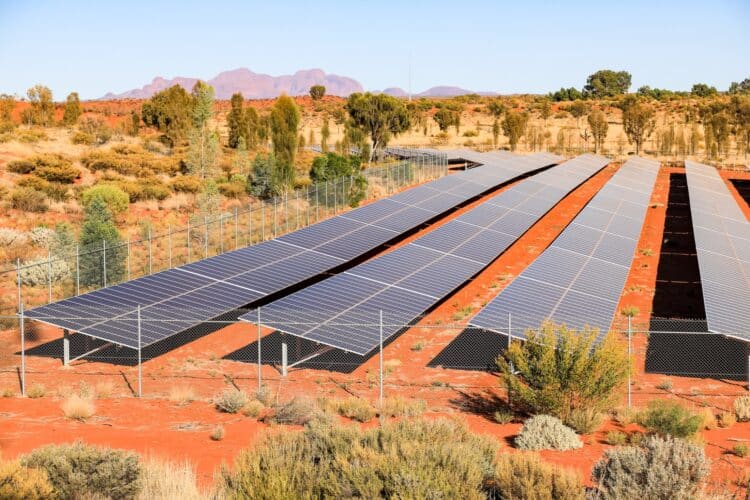
The Solar Sharer Offer (SSO), an initiative aimed at enabling consumers to utilise Australia’s rich solar energy resources and potentially reduce their electricity bills, is now fully operational.
Launched on July 1, the SSO has been described by Federal Energy Minister Chris Bowen as an “uniquely Australian electricity offer.” This scheme aims to extend the advantages of the clean energy shift to all households.
Details of the Solar Sharer Offer
Under this initiative, participating retailers are required to provide up to 24kWh of free electricity for opting-in customers during midday, making the most of Australia’s abundant solar generation. The offer is available to residents of New South Wales, south-east Queensland, and South Australia, regardless of whether they have solar panels, as long as they are equipped with a smart meter.
Although the SSO is a new regulation, free daytime energy provisions are not entirely unprecedented; retailers like OVO Energy, GloBird, and Origin have previously provided similar offers in recent years.
The Federal Government suggests that a typical two-person household could save a significant sum annually by relocating energy-intensive tasks, such as using washing machines and dishwashers, into the midday period.
Evaluating the SSO’s Impact
With Victoria set to introduce a similar programme on October 1, there’s a timely opportunity to assess the SSO’s potential benefits and limitations.
Energy Consumers Australia (ECA) has expressed its support for the ambition of the SSO, highlighting its goal to assist households in reducing expenses, leveraging excess renewable energy, and gaining better control over their energy consumption.
However, the ECA stresses that the SSO is not a comprehensive solution. Their analysis suggests that while the SSO may benefit households that can adjust their energy use, those unable to do so might find regular flat-rate plans more advantageous. It is crucial for retailers to communicate this clearly; consumers should not anticipate guaranteed savings only to discover increased bills.
Addressing Awareness and Literacy Challenges
Research conducted in May 2026 found that fewer than a third of eligible Australians were aware of the SSO. Yet, approximately half showed interest in participation once made aware. This lack of awareness poses a challenge, although it is evident that demand exists.
Additionally, the general energy literacy among consumers remains low. It is unrealistic to expect busy individuals to navigate complex energy usage patterns and change their habits accordingly. ECA’s findings indicated that almost 60% of Australians prefer a straightforward, passive relationship with their energy supplier, simply desiring fair pricing and dependable service.
Moreover, one in ten Australian households never assesses their energy plan, while a quarter review theirs less than once a year. Among those who do not frequently check their plans, 30% find it too complicated to compare options, 26% feel that switching is not worthwhile, and 20% claim it requires too much time.
Path Forward for the Solar Sharer Offer
For the SSO to establish lasting trust and provide genuine value, policymakers and retailers need to be explicit about who stands to benefit and in what ways, tailoring this communication to meet consumer needs effectively.
In essence, while the SSO represents a step in the right direction, it cannot operate in isolation. There is a pressing need for complementary structural reforms, such as national minimum energy efficiency standards for renters and specialised support for renters, apartment residents, and low-income households to transition to electric solutions.
Additionally, a national consumer duty is essential, compelling energy companies to act in the interests of their customers and ensuring positive results for consumers.