Rooftop Solar Powers 99.9% of South Australia’s Electricity Demand
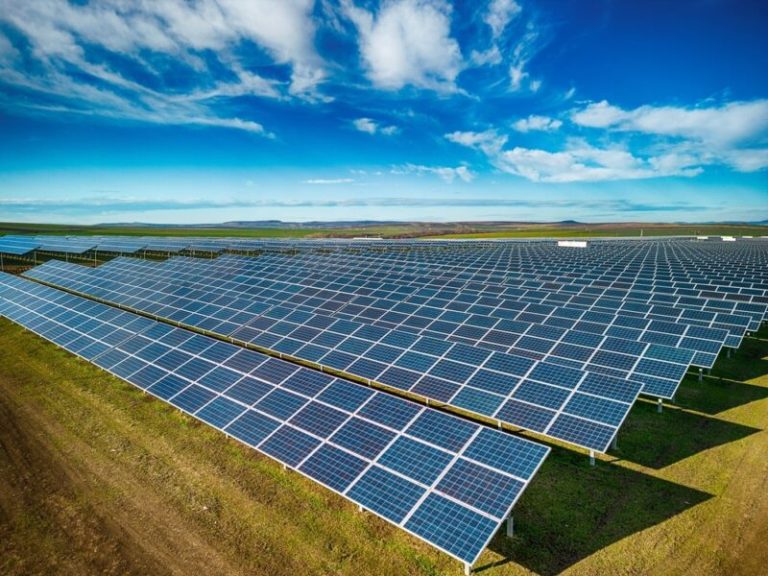
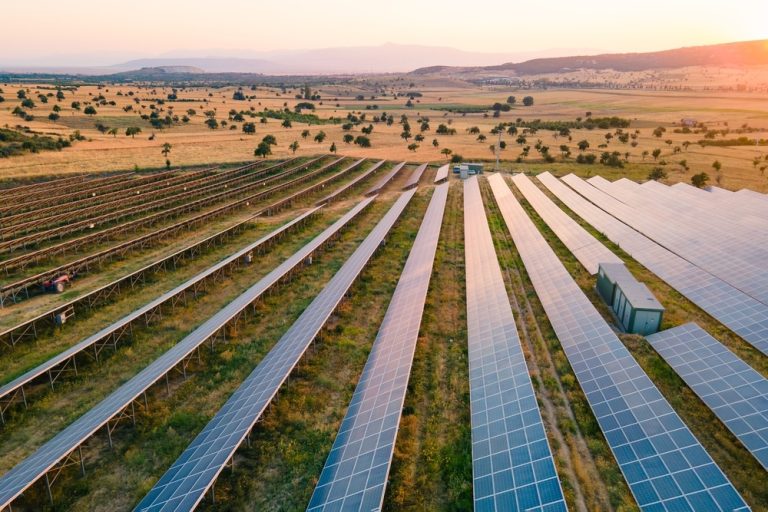
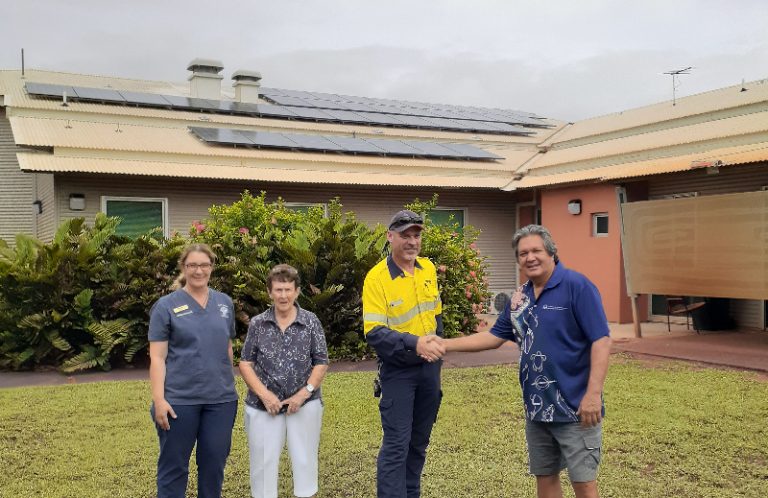
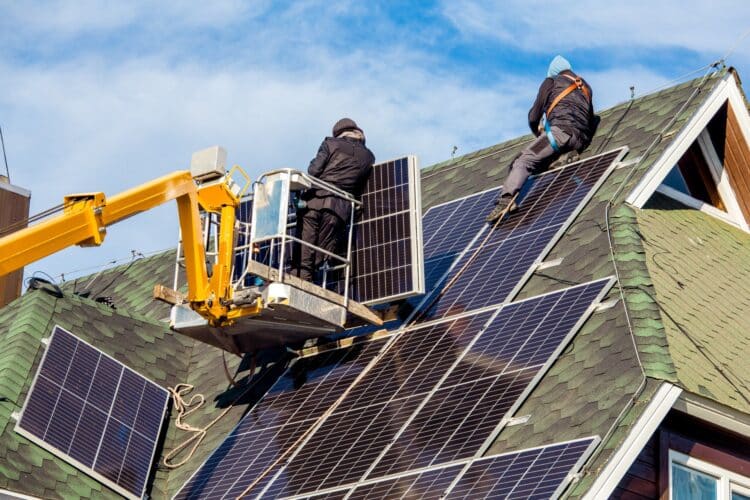
The rooftop solar installation in South Australia has set a remarkable new low for electricity demand from grid-scale generation during winter, showcasing the significant impact of distributed energy resources on the region’s power grid.
According to the Australian Energy Market Operator (AEMO), rooftop solar energy covered an astonishing 99.9 per cent of South Australia’s overall electricity needs at precisely 1.30pm on August 31, bringing operational demand down to a mere two megawatts (MW).
Impact of Rooftop Solar on Battery Storage
The high output from rooftop solar and the consequent negative wholesale electricity prices resulted in above-average charging for batteries, which stored surplus energy for later use throughout the day.
This impressive achievement from South Australia coincided with a winter minimum operational demand record across the National Electricity Market (NEM), which saw operational demand plummet to 11,992MW at the same time, surpassing the prior winter low of 12,144MW recorded in August 2024. During this period, rooftop solar generated nearly 54 per cent of the underlying demand in the NEM.
Battery Utilisation and Wholesale Pricing
Battery charging represented approximately 10.5 per cent of the total generation, while every region in the NEM experienced negative electricity prices.
South Australia continues to lead the way in the rooftop solar movement, having achieved a milestone back on March 8 this year, when the region’s rooftop solar output exceeded total electricity demand for certain periods, reaching as high as 108.5 per cent of demand at 1.35pm.
This abundance of solar energy, however, also comes with its own set of balancing challenges. During the peak in March, there were 500MW of potential utility-scale solar generation and 295MW of wind power that had to be curtailed.
AEMO explained that these milestones illustrate a progressively dynamic electricity system, where high levels of renewable energy generation are increasingly managed in real time via batteries, hydroelectric power, and gas, all supported by the transmission network.