ACAP Secures Funding for Ultra-Low Cost Solar Research
The Australian Centre for Advanced Photovoltaics receives six more years of funding to enhance solar technology and reduce costs, supporting Australia’s clean energy future.

The Australian Centre for Advanced Photovoltaics receives six more years of funding to enhance solar technology and reduce costs, supporting Australia’s clean energy future.
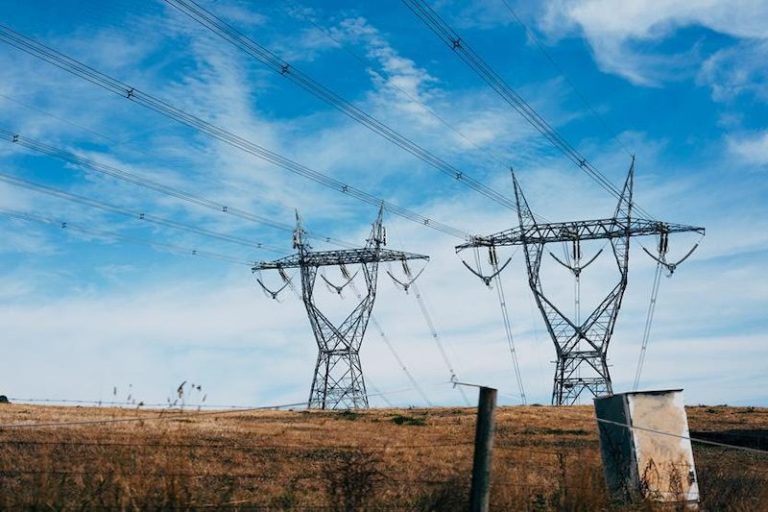
Anna Collyer compares electricity pricing to milk costs, advocating for fairer network tariffs based on demand rather than fixed charges.
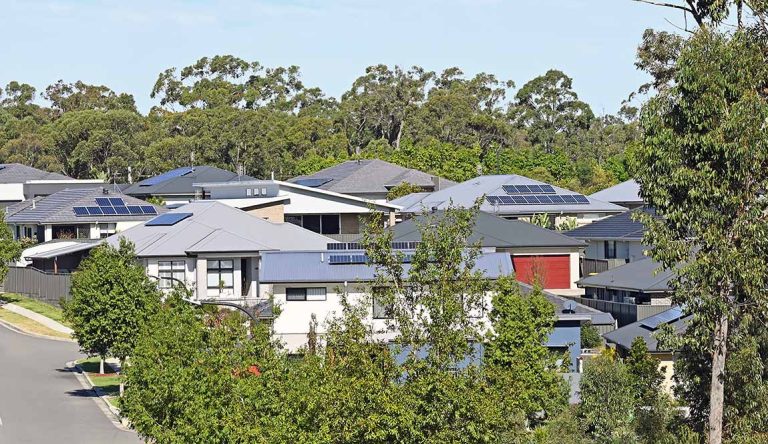
The NSW government provides zero-interest loans up to $15,000 for energy upgrades, benefiting over 32,000 households with solar, batteries, and insulation.

Fonterra has signed long-term solar agreements to phase out coal boilers, aiming for a sustainable energy future by 2037.
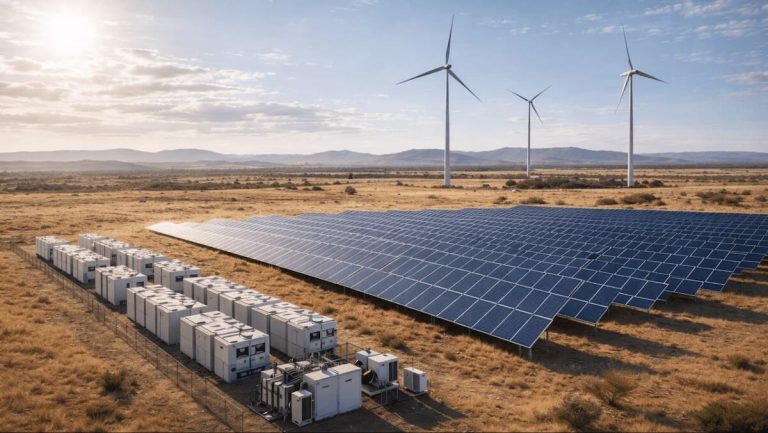
Australia’s biggest wind farm plans have been revised to include solar and battery systems, creating a hybrid energy hub in Queensland.
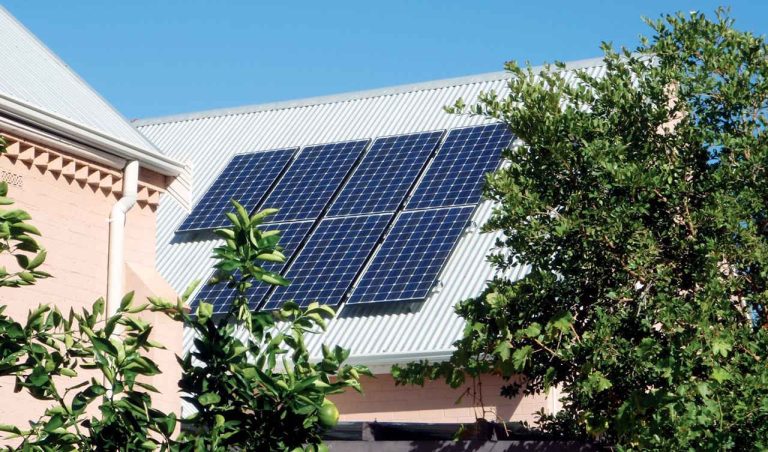
Victoria reduces income eligibility cap for rooftop solar and hot water rebates to $150,000, targeting households facing cost of living pressures.

AEMC Chair Anna Collyer addresses electricity pricing reforms, emphasizing consumer interests and the need for fair network cost distribution.
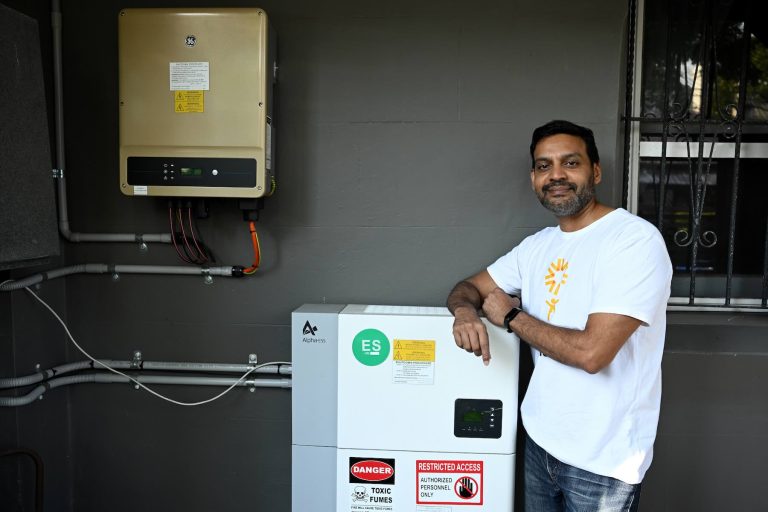
Home battery installations have exceeded 430,000 due to new federal rebate rules, leading to smaller average system sizes and sustained demand.
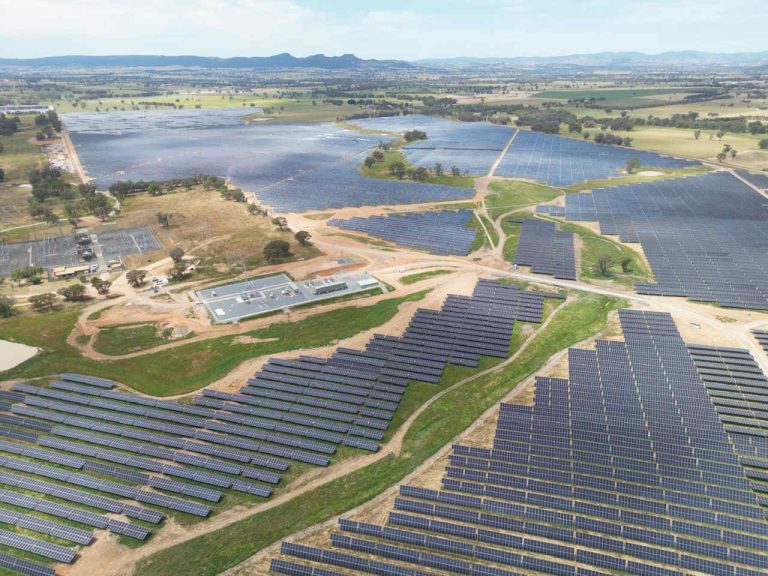
Naturgy has launched two solar PV plants in New South Wales and Queensland, supplying renewable energy to Telstra with a combined capacity of 360 MW.
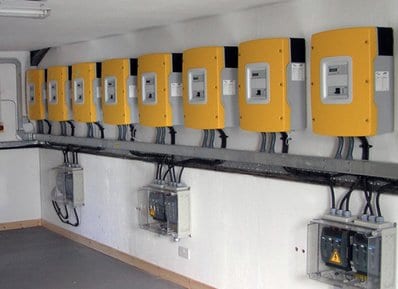
SMA Group’s CEO reveals the company’s exit from Australia’s home solar market due to inability to compete with Chinese rivals, despite strong utility-scale presence.
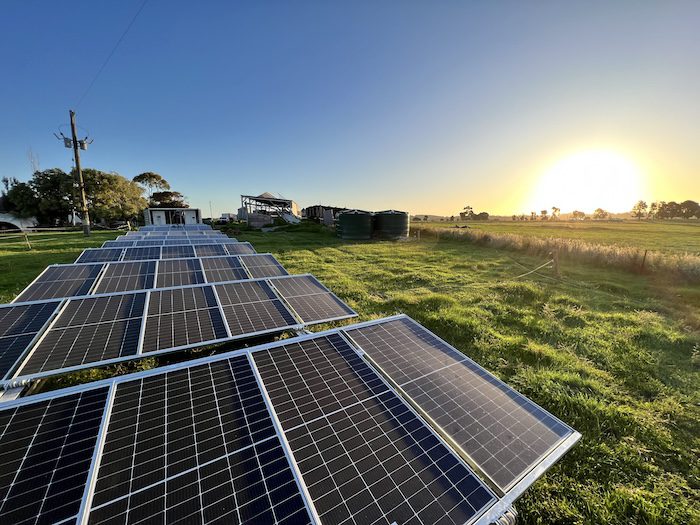
Solar energy is rapidly transforming electricity generation, with costs dropping and deployment accelerating, outpacing traditional energy sources like coal and gas.
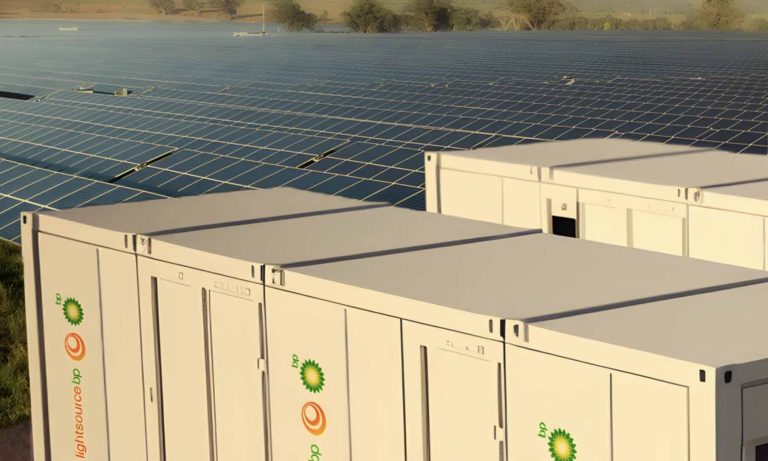
Gamuda Renewables has purchased a significant solar and battery project in Victoria, aiming to power a co-located data centre and enhance renewable energy capacity.