AEMO Reports Battery Growth Reshapes Electricity Prices
The Australian electricity grid is experiencing a transformation thanks to a significant increase in grid-scale battery storage capacity and unprecedented levels of renewable energy, resulting in low wholesale prices. The Australian Energy Market Operator (AEMO) highlighted these developments in its latest quarterly report, which is promising news for the federal Labor government and states backing the switch to green energy. It underlines the crucial role of battery storage, both in large utilities and within homes and businesses.
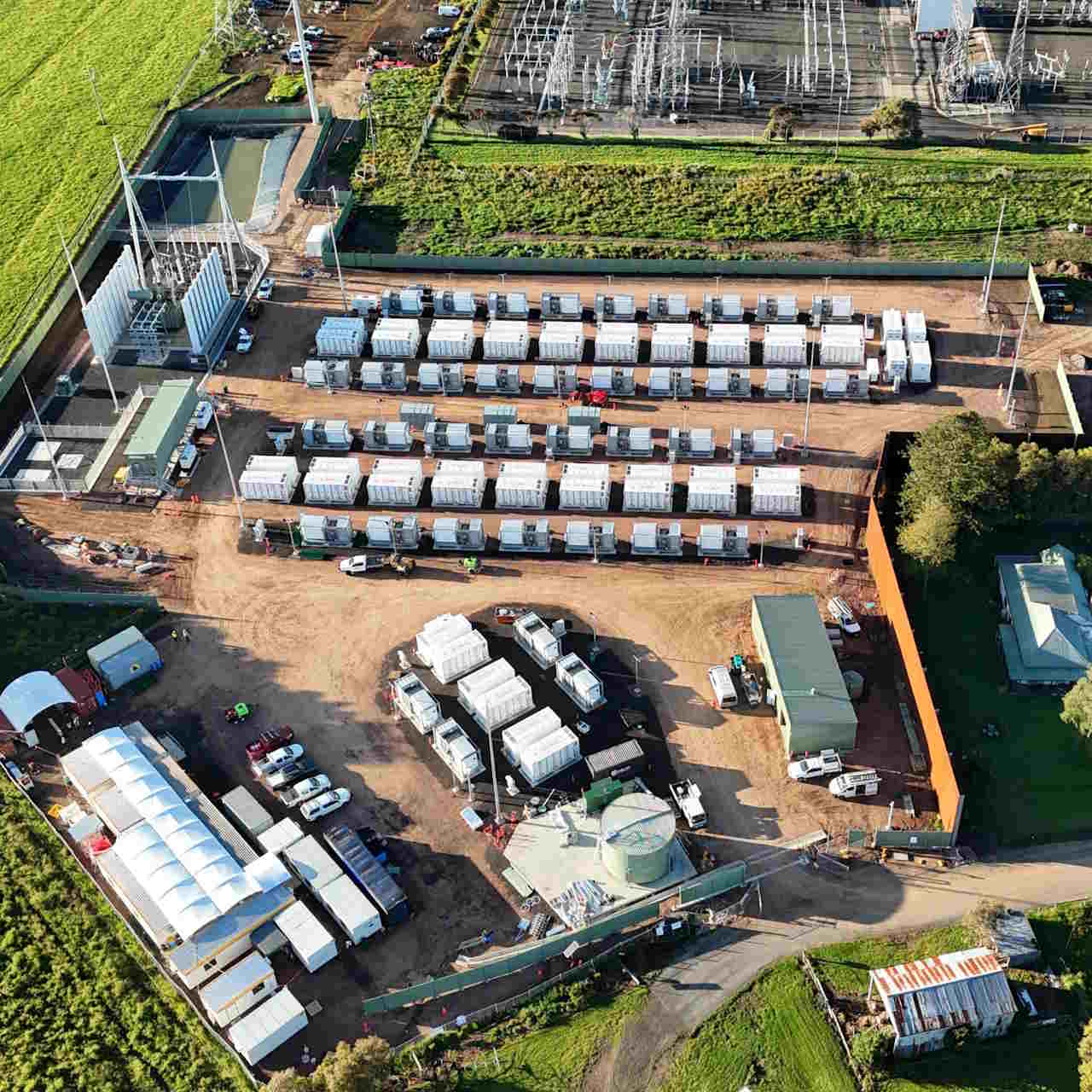
The Quarterly Energy Dynamics report reveals that in the past year, 4,445 megawatts (MW) and 11,219 megawatt hours (MWh) of new large-scale battery capacity have been added to the grid, more than doubling existing installations. Eight substantial batteries were commissioned in just the first quarter, indicating a robust future for battery storage, which now constitutes about half of all connection inquiries and applications.
Impressive Energy Storage Gains
The impact of this growth is quite significant. According to AEMO, the daytime charging rate for large batteries—particularly during periods of high rooftop solar output—has quadrupled, while the output during evening peak hours has more than tripled, averaging 1,115 MW. This shift allows large batteries, as well as new solar-battery hybrid projects, to sell electricity at more lucrative evening rates, positively influencing consumer prices compared to traditional gas and hydro sources.
AEMO further reports that large batteries are now setting wholesale electricity prices for approximately one third of trading intervals, surpassing hydro as the most frequently used price-setting technology on the main grid. Violette Mouchaileh, AEMO’s head of policy and corporate affairs, states, “The considerable rise in large-scale and household battery capacity is transforming the way electricity is produced, consumed, and priced throughout the day.” Batteries are increasingly absorbing excess renewable energy during daylight hours and distributing it during evening peaks, which helps keep prices stable during high-demand periods.
Record Renewable Energy Generation
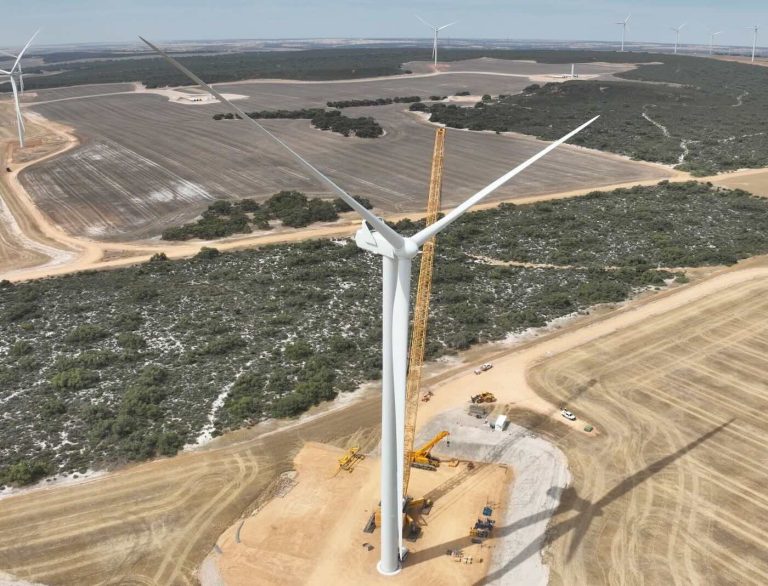
Renewable energy generation also reached a new peak, representing 46.5% of total generation for the first quarter, the highest share recorded thus far, spurred by higher outputs from both wind and solar sources, despite a 1.2% rise in overall demand. Instantaneous outputs for wind and solar have set new benchmarks, with grid-scale solar achieving a quarterly high of 2,706 MW—up 13% from the first quarter of 2025—and wind output similarly climbing by 9.3% to an average of 3,845 MW, largely due to expanded capacity at new facilities in Queensland.
However, rooftop solar installations had the most substantial impact, reaching a record 4,090 MW this quarter, boosting their contribution to 15.8% of total supply, thereby solidifying their position as the leading renewable energy source. AEMO noted that these installations are effectively suppressing coal and gas generation during daylight hours.
Wholesale Price Trends
In terms of wholesale prices, AEMO reported a 12% drop compared to the same quarter last year, costing an average of $73 per megawatt hour (MWh), with prices easing steadily from January to March as temperatures decreased. South Australia remains the sole state to experience a rise in average wholesale prices, with a notable 33% increase to $88/MWh, the highest on the mainland, triggered by a significant weather event on January 26 that dominated trading for that day.
This trading day, influenced by fossil fuel prices, contributed $26/MWh to the overall quarterly average. Had it not been for this anomaly, wholesale prices in South Australia would have likely been lower. Increased daytime prices due to frequent battery charging have lessened the occurrence of negative pricing in northern regions, benefiting wind and solar farms that might otherwise have been curtailed.
Emission Reduction and Data Centre Demand
Additionally, there is positive news regarding emissions reduction, as coal and gas output has reached new lows. Average coal generation fell by 4.4% this March quarter, while gas-fired power generation hit its lowest average since 1999, down 24% compared to the same period last year. This trend raises questions regarding the push by NSW and Queensland state governments to promote new gas generation, as the grid may not require such measures.
AEMO’s report shows total emissions in the National Electricity Market (NEM) dipped to a new first quarter low of 26.0 million tonnes of CO₂ equivalent, demonstrating a reduction of 1.3 million tonnes (or 4.8%) compared to Q1 2025. Nevertheless, a potential concern regarding data centres and their influence on the grid has emerged, with AEMO revealing, for the first time, that there are 11 large-scale data centre projects in progress, accounting for a maximum demand of 5.4 gigawatts (GW), with most projects located in New South Wales and Victoria.
Australia’s largest energy retailer, Origin Energy, has already indicated an unexpected increase in electricity sales during the first quarter, attributing it to heightened consumption from data centres.