Renewable Energy Projects Win Key Tenders in Western Australia
The federal and state governments of Australia have revealed the outcomes of two significant renewable energy storage tenders for Western Australia, resulting in the selection of six wind farms, two solar-battery hybrid projects, and an additional two standalone battery initiatives with a minimum duration of seven hours.
This groundbreaking tender marks a first for the region, promising the construction of six new wind farms, which will collectively contribute 1.5 gigawatts (GW) of fresh capacity. Notably, one of the selected projects, Tilt Renewables’ Waddi wind farm, has already secured financial backing and an off-take agreement with AGL.
Successful Solar-Hybrid and Battery Projects
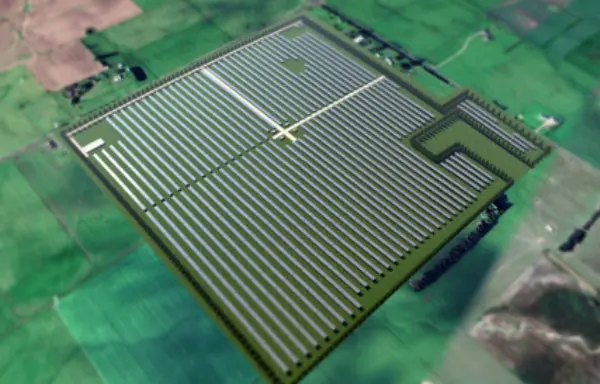
Among the victors in the solar-hybrid category, Trina’s 350 MW Killawarra project emerged as a frontrunner in the renewable generation tender. Meanwhile, the Collie battery and solar hybrid, developed by Enpowered and Plenary Group, which boasts a capacity of 200 MW and 1518 MWh, claimed victory in a separate dispatchable tender.
Additionally, two independent eight-hour battery projects received contracts as part of the dispatchable tender, including Neoen’s 200 MW Yathro project, with a capacity of 1600 MWh, and Frontier Energy’s 82 MW Waroona project that can store 565 MWh.
Investment and Capacity Overview
Overall, the projects resulting from the generation tender will provide 1.9 GW of new wind and solar power, alongside 2.1 gigawatt hours (GWh) of storage systems. In the dispatchable tender, contracts will yield 482 MW of capacity and 3,683 MWh of storage.
These initiatives are set to generate over $5 billion in new investments, with all projects expected to be operational by 2030, coinciding with the closure of the remaining state-owned coal-fired power plants.
Government Support and Future Outlook
The governments have emphasised that these projects will contribute to energy reliability, lower power costs, and reduced emissions through accessible, clean renewable energy coupled with storage solutions. Federal Energy and Climate Minister Chris Bowen described this as the largest enhancement of the electricity grid in Western Australia’s history, a significant transition given the state’s position as the largest isolated grid globally, lacking connectivity to other grids or pumped hydro resources.
Bowen stated that this achievement aligns perfectly with the objectives of the Capacity Investment Scheme (CIS), aiming for cleaner, more affordable energy production centred in regional areas. He assured that the Albanese Government is prioritising reliability, investment, job creation, and a decrease in bills and emissions as the state’s energy system evolves.
Despite criticisms of the CIS due to delays in some projects that have received funding agreements, Bowen defended the scheme, asserting it is designed to meet Australia’s renewable energy target of 82 per cent by the decade’s end. However, during a recent episode of the Renew Economy’s Energy Insiders podcast, he acknowledged that additional efforts are required for wind energy, hinting at possible revisions to the tender process.
Neoen’s Dominance and Community Impact
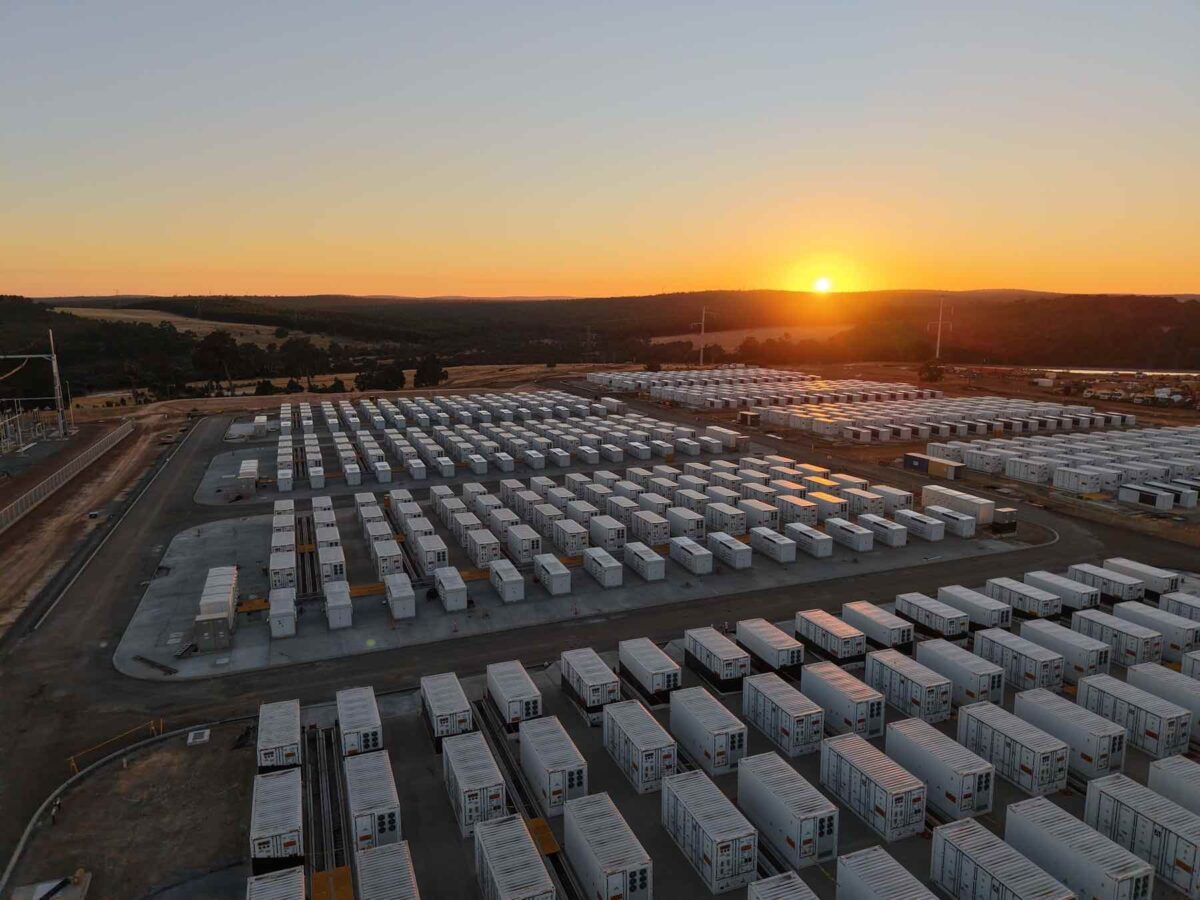
Neoen has emerged as a key player in this round of tenders, further solidifying its track record of success at both state and federal auctions. Their wins include the 420 MW Yathro wind farm and the separate 200 MW, 1,600 MWh battery project, in addition to the 168 MW Narrogin wind project. Notably, they have also established one of the nation’s largest operational batteries in Collie, which has a capacity of 560 MW and 2,240 MWh, second only to Synergy’s nearby 500 MW, 2,500 MWh storage facility.
Furthermore, the addition of the Collie battery and solar hybrid will elevate the total battery capacity at the state’s largest coal-fired power station to approximately 1.5 GW and over 6 GWh of storage capacity.
Other successful projects include Synergy’s Tathra wind farm, Zephyr Energy’s Parron Ma’am parang wind initiative, and Shell and Foresight’s Kondonin wind farm. Many of these developments have submitted proposals for capacities exceeding those stipulated in the CIS contracts.
The governments have projected that these projects will yield more than $1.1 billion in shared community benefits, nearly $895 million for First Nations communities, and over $1.1 billion in local steel procurement.