Home Battery Installations Surpass Solar-Only Systems in Australia
Home battery installations have dramatically surpassed expectations, with over 360,000 units installed in the ten months since the programme’s inception. This surge reflects a rate exceeding 1,500 installations daily ahead of anticipated changes to rebate schemes.
The latest statistics from the federal government reveal that the majority of these installations have occurred in regional and outer suburban regions, accounting for 77 per cent of total installs.
Impact of Home Batteries on Energy Market
New quarterly insights from the Australian Energy Market Operator (AEMO) attribute part of the reduction in evening peak demand to home battery systems, alongside large-scale battery storage. This dynamic is leading to lower wholesale energy prices, which is expected to translate into reduced bills for consumers.
Federal Energy and Climate Minister Chris Bowen highlighted the significant impact of these battery systems: “More than 360,000 households have installed this capacity, cutting their power bills and helping drive down energy prices for everyone.” He added that Australians are recognising the benefits of this green initiative, noting that what is good for the planet is also financially advantageous.
Record Storage Capacity Achieved
In a recent LinkedIn update, Bowen presented the impressive achievement of households collectively installing over 10 gigawatt hours of storage since the battery project launched. This figure stands at an astonishing 70 times more than the original Tesla Big Battery located at Hornsdale.
This growth has largely resulted from an increase in large home battery systems, particularly those in the 40 to 50 kWh range, prior to impending rebate alterations that aim to favour smaller batteries. It’s noteworthy that during March alone, Australian home battery installations accounted for 10 per cent of global utility-scale storage additions.
Future Growth Projections
According to Warwick Johnston, head of SunWiz, the total capacity of home battery installations in Australia is poised to reach 30 gigawatt hours by the end of this year. This optimism holds strong despite upcoming changes in rebate structures.
Even with these alterations, Johnston anticipates that approximately 400,000 household batteries will be installed by the end of 2026. He also points out that installations for PV-only systems have become increasingly rare. Data indicates that 50 per cent of current installations combine solar with battery systems, while a smaller portion involves battery systems solely, usually to support existing solar setups.
Integration with Solar Energy Systems
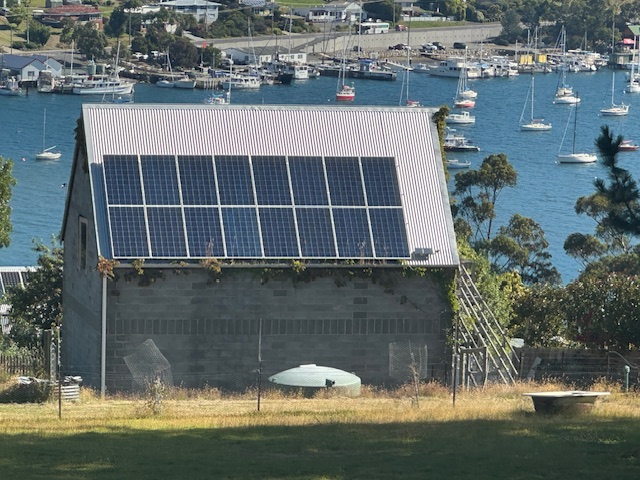
The federal government has recognised similar trends, noting that nearly half of all users installing home batteries are simultaneously opting for new or upgraded solar systems. Minister Bowen and AEMO stress the importance of batteries in enabling households to store environmentally friendly energy generated during the day for later use, reducing dependency on peak pricing and enhancing grid reliability while also applying downward pressure on energy costs.
Emphasising that this trend is not confined to urban centres but rather represents a national movement, Bowen remarked, “The Coalition wants to slow down cheaper renewables and keep people stuck with higher bills. Labor is getting on with the job, providing cleaner, cheaper, and reliable energy for every community.”