Local Business Profits from Solar Panel Recycling and Metal Sales
A recent comment from Dan Tehan, the federal opposition energy spokesman, has led to a stir among solar recyclers, prompting John Hill, co-founder of Brisbane’s Pan Pacific Recycling, to embark on a media campaign to showcase the viability of his recycling technology.
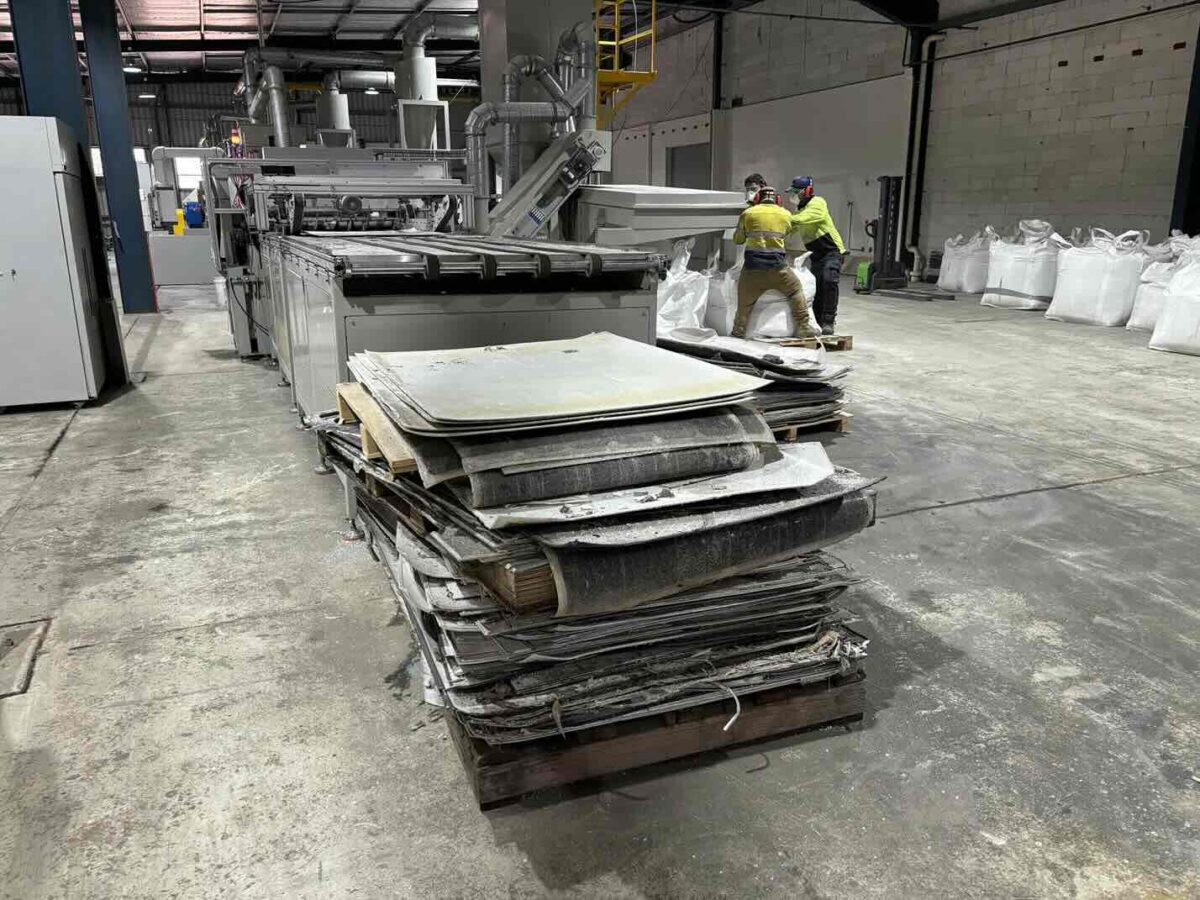
Hill’s company boasts a machine capable of extracting valuable components from solar panels in just 45 seconds. “We’re able to remove all the products from the panel,” Hill explained to Renew Economy. This includes various panel conditions, whether they are broken, whole, or misshapen, without needing to flatten them out first.
Commercial Success in Solar Recycling
Since commencing operations in 2023, Pan Pacific Recycling has projected revenues of £5 million from solar recycling for the current financial year, with expenses around £3 million, covering research, development, and machinery costs. They operate with a basic fee of £10 per panel, earning a margin of 50 pence from material sales, which Hill admits is not yet quite satisfactory, but he remains optimistic about the future.
The company’s clientele includes a manufacturer who repurposes glass into countertops and tiles, as well as jewellers purchasing silver. However, it’s copper and aluminium that are the standout materials, which Pan Pacific anticipates will generate revenues of £1.1 million and £1.9 million respectively this year, as they manage to sell at premium prices for recycled metals in Australia.
Pan Pacific is not alone in this niche, with Victoria’s Elecsome and Sircel, which continues to advertise its services, despite previous administrative challenges, also operating in the solar panel recycling market.
Industry Challenges and Government Response
The solar recycling industry has been advocating for policies that foster recycling and material stewardship for years. Frustration reached a peak recently when The Australia reported that even the federal Department of Environment and Energy expressed doubts about the feasibility of solar recycling. Tehan’s remarks suggested that solar panels are not genuinely renewable and warned of an impending waste crisis due to overseas manufacturing.
Tehan stated, “All these panels are made overseas using materials which will not recycle,” urging the government to confront the imminent waste issue posed by these solar products. However, despite these doubts, the federal government began a stewardship initiative last year aimed at mandating recycling processes, with £24.7 million allocated for a pilot programme across 100 sites. Meanwhile, Queensland has also backed a recycling initiative set for 2024.
Innovative Recycling Technology
Hill has welcomed Tehan and other politicians to witness the operations firsthand. “Australia invented the solar panel, and we’ve invented the technology to recycle,” he asserted. His machine employs advanced technology to scan panels, logging comprehensive details including brand, wattage, and chemical composition, producing a traceable “passport” for each material.
Following the initial stripping of components such as junction boxes and aluminium frames, the remaining silicon and plastic backsheet are combined with valuable metals like copper and silver before entering a grinding process. It is at this point that Hill becomes somewhat reserved regarding the specifics of the process, describing a unique electrostatic separator that sorts materials by their electric charge.
“The machine vibrates, allowing heavier materials to climb rather than fall, which challenges conventional assumptions about gravity,” he notes, emphasising the importance of optimising angles and airflow during sorting. A final chemical wash, another closely guarded secret, is used to purify the materials.
Plans for Expansion and Challenges Ahead
Looking forward, Hill reveals plans for expansion, including a memorandum of understanding with a company in Belgium to license their technology and ongoing discussions with a UAE-based firm, although travel limitations have delayed that progress. Pan Pacific has already established five operational plants in New Zealand focused on electric vehicle recycling, with adaptations allowing for lithium battery testing and recycling of only essential components.
In Australia, Hill aims to set up a plant in Western Australia by late 2026, with additional projects planned for South Australia, New South Wales, and Queensland. However, he notes the challenge posed by Victoria’s regulations which favour cheaper crushing methods for panel disposal over the more intricate separation processes employed by his company.
To sustain operations, each machine requires a minimum of 300,000 panels annually, rendering Tasmania an unsuitable location due to its limited supply. Furthermore, Hill believes that the forthcoming £25 million national stewardship pilot, expected to handle just 250,000 panels over 12 to 18 months, significantly underestimates the future volume needed, given his ambitious expansion objectives. “We welcome the stewardship pilot, but I think they have underestimated the numbers that are there…. Considerably,” he concludes.