AEMO Seeks EVs and Data Centres to Manage Rooftop PV Overload
The Australian Energy Market Operator (AEMO) is turning its attention toward electric vehicles, data centres, industrial loads, and other innovative solutions to tackle the challenges posed by an overload of rooftop solar photovoltaic (PV) systems during peak midday usage.
AEMO has officially initiated a tender invitation for what they call Minimum System Load (MSL) Type 2 Transitional Services. In simple terms, this refers to technologies that can generate demand on the grid during peak solar output moments, when rooftop PV systems are most active.
The Challenge of Minimum System Load
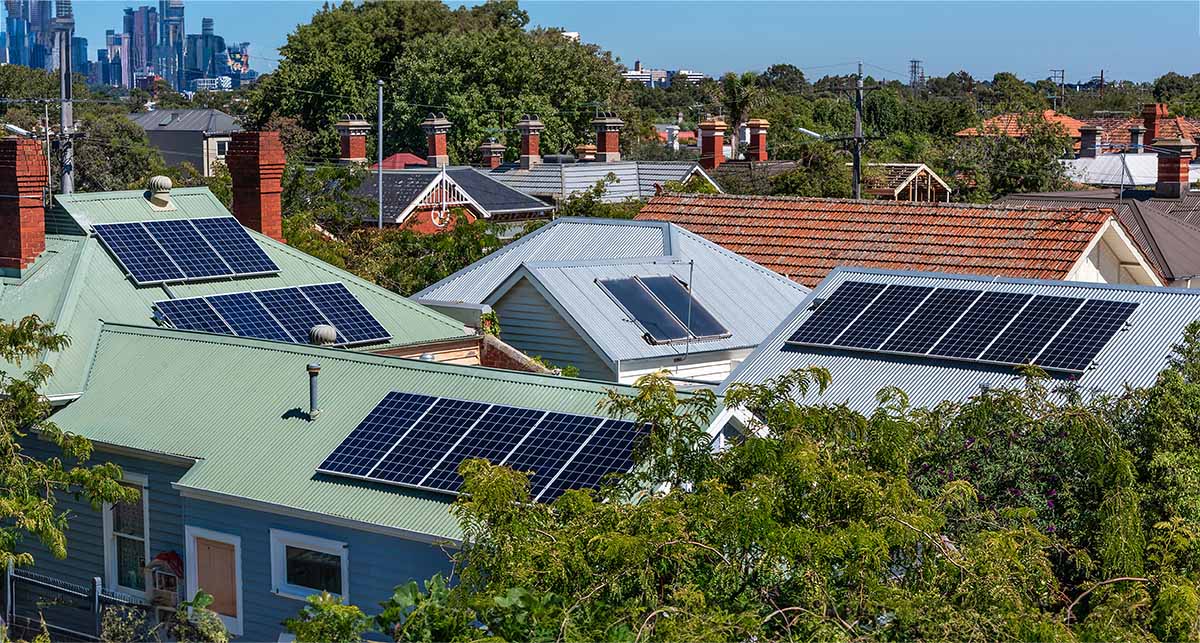
Minimum system load has become a pressing concern for AEMO in recent years, especially in South Australia, where an impressive one in two households are equipped with rooftop solar panels. The surge in solar energy production can sometimes result in demand plummeting to below zero, presenting significant challenges for grid management.
AEMO has taken various actions to manage this issue, initially introducing measures to limit rooftop solar output. Subsequently, they have sought agreements with large-scale battery storage systems, urging them to charge during peak solar production periods when demand might dip dangerously low.
States Affected by the Solar Surge
This situation has escalated into a critical issue in at least three states, namely South Australia and Victoria within the main grid, as well as Western Australia, which operates an isolated grid. In the latter region, two of the nation’s largest battery installations have been established specifically to absorb the excess solar energy and mitigate the phenomenon known as the solar duck curve.
AEMO is now looking to expand its approach by exploring additional technological options. Their market briefing notes indicate that electric vehicle charging, data centres, industrial loads, co-generation facilities, virtual power plants, and other alternatives could contribute significantly.
The search for these services will cover South Australia and Victoria, as well as the coal-dominated state grids of New South Wales and Queensland.
Integrating Consumer Energy Resources
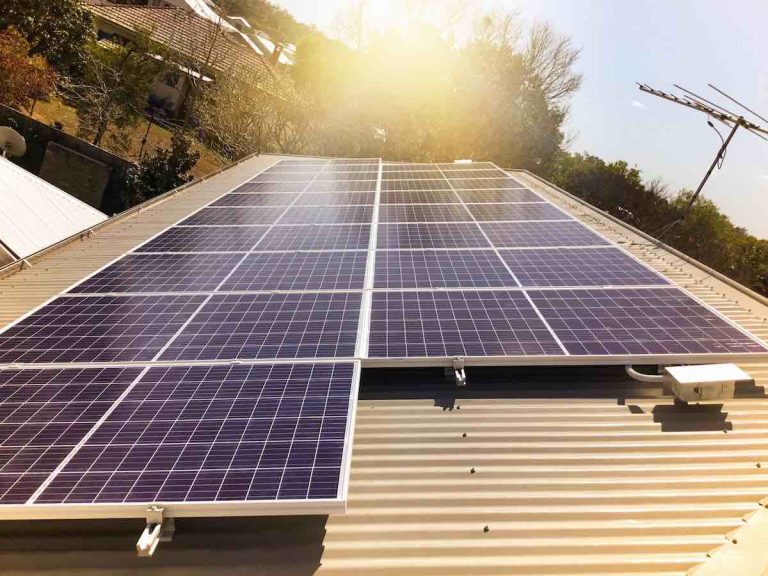
According to AEMO, over a third of Australian homes have rooftop solar systems, which not only help reduce energy costs for households and businesses but also play a vital role in the decarbonisation of the energy system.
They stress that a unified effort is essential to efficiently integrate these consumer energy resources into the power grid as their adoption grows. This integration is crucial to ensuring that electricity delivery remains secure and reliable for all consumers both now and in the long term.
AEMO acknowledges that with rising daytime generation from distributed PV systems, the operational demand on the transmission network is diminishing. At times, this decline in demand may prevent the dispatch of sufficient large-scale generation to meet the necessary safety and security standards.
Progress on Type 1 Services and Future Steps
Back in late 2022, AEMO sought expressions of interest for these services, which closed in January. They are now advancing to the next stage of the process. Previously, Type 1 services were restricted to battery storage, resulting in contracts with two large batteries located in Victoria, while South Australia currently lacks similar agreements. Consequently, significant batteries like Torrens Island and Blyth remain on standby in case of necessity, although they have yet to be activated for charging.
For the Type 2 services, AEMO specifies that only new technologies or novel applications of existing technologies that have not been utilised before March 2024 are eligible. This also includes long-duration storage solutions, with contracts potentially extending for up to ten years.
These services are instrumental for AEMO, providing them with controllable resources that can either increase grid load or decrease energy generation, thereby helping maintain secure operational conditions during periods of low demand.