EPBC Approves Two Major Battery Projects in Australia
The federal environment authority has greenlit two significant battery initiatives, although the decision-making process took several months for both projects.
The Kincraig battery, located in South Australia, has a capacity of 150 megawatts (MW) and can store 600 megawatt-hours (MWh) of energy. Its journey from referral to final decision spanned just over five months.
In contrast, the Tumuruu battery in Queensland, boasting an impressive capacity of 400 MW and able to store 2,000 MWh, moved through the referral process in a rapid three months as it is to be situated adjacent to a 400 MW solar farm.
Focus on Minimising Environmental Impact
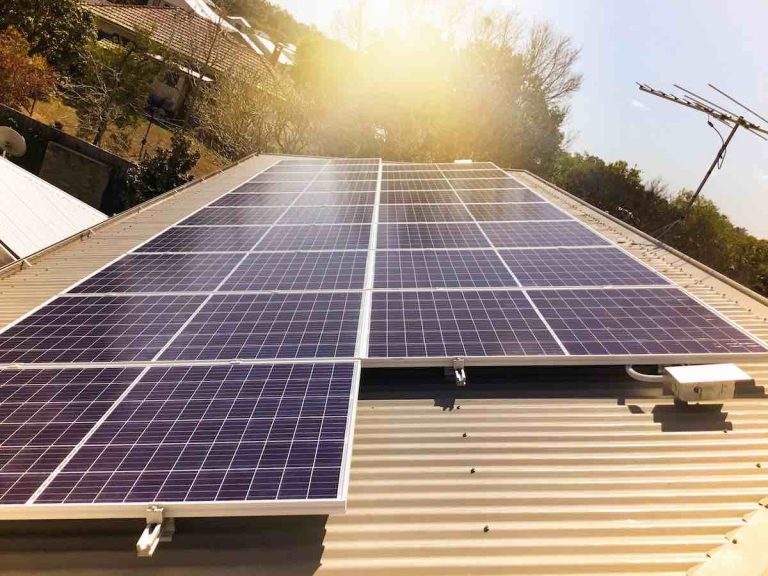
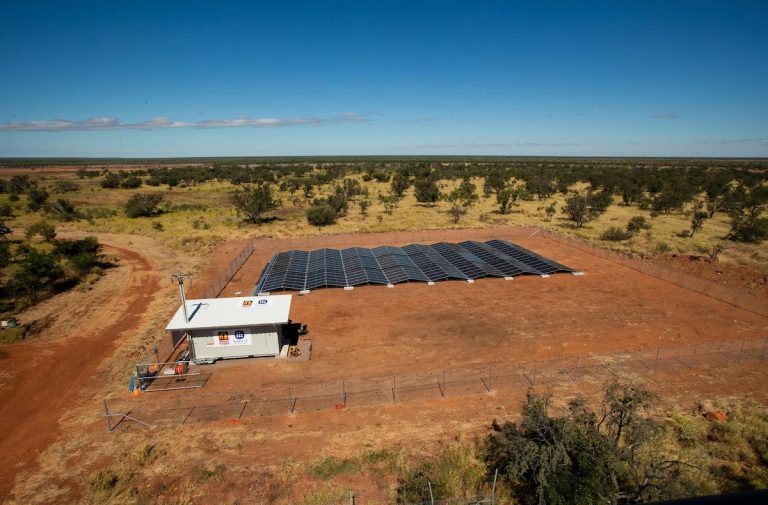
The developer of the Tumuruu project, Australia Solar Enterprises (ASE), is committed to a construction approach that aims to minimise the environmental impact. The battery will feature a German mounting system utilising a “self-stabilising” grid of steel rods and plates. This unique design allows the solar panels to be arranged in a wave-like pattern facing east-west, while being installed approximately one metre above ground level.
Utilising screwed or driven piles is becoming increasingly popular for solar installations due to their cost-effectiveness and ease of deployment by robotic systems, eliminating the need for concrete footings.
Strategic Location and Development Timeline
The Tumuruu project will be located close to Taromeo in the Darling Downs, positioned conveniently atop two significant transmission lines leading to Brisbane. Fortuitously, ASE secured development approval in 2024 and is set to commence construction this year.
Despite the Queensland government indicating a willingness to reassess previously approved projects, it has officially revoked only one so far – the Moonlight Range wind project. Close neighbours to the Tumuruu site include the Meandu coal mine and the Tarong and Tarong North coal power stations. Recently, federal environment minister Murray Watt endorsed the expansion of Stanwell’s Meandu King 2 East open-cut coal mine, a decision that drew criticism from the Queensland Conservation Council.
Kincraig Battery Approval Process
On the other hand, the Kincraig battery’s journey through the EPBC referral system was somewhat prolonged. It entered the EPBC referral queue in November and received its decision by the end of April.
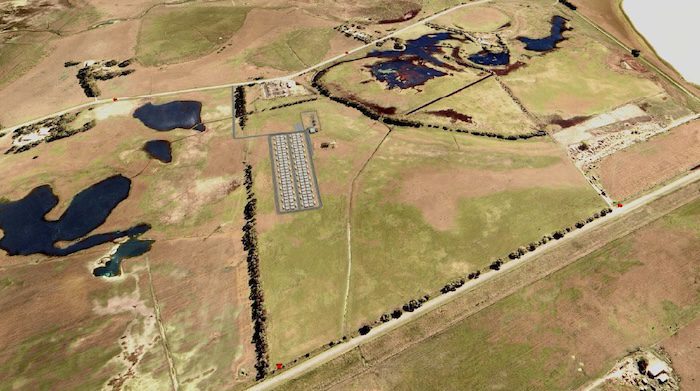
TagEnergy Australia is in charge of constructing this standalone battery, which will be situated next to ElectraNet’s Kincraig substation. Currently, it is at the preliminary stages of a development application with the State Commission Assessment Panel, which is mandated due to its size rather than going through the local council.
Additionally, the Naracoorte Lucindale council has approved four other smaller batteries, each with a capacity of 5 MW or less, near the TagEnergy proposal alongside a similarly sized Flow Power solar project. However, concerns have been raised regarding the Kincraig battery’s 11-hectare footprint potentially affecting “prime agricultural land,” as highlighted by an ABC report from late last year.