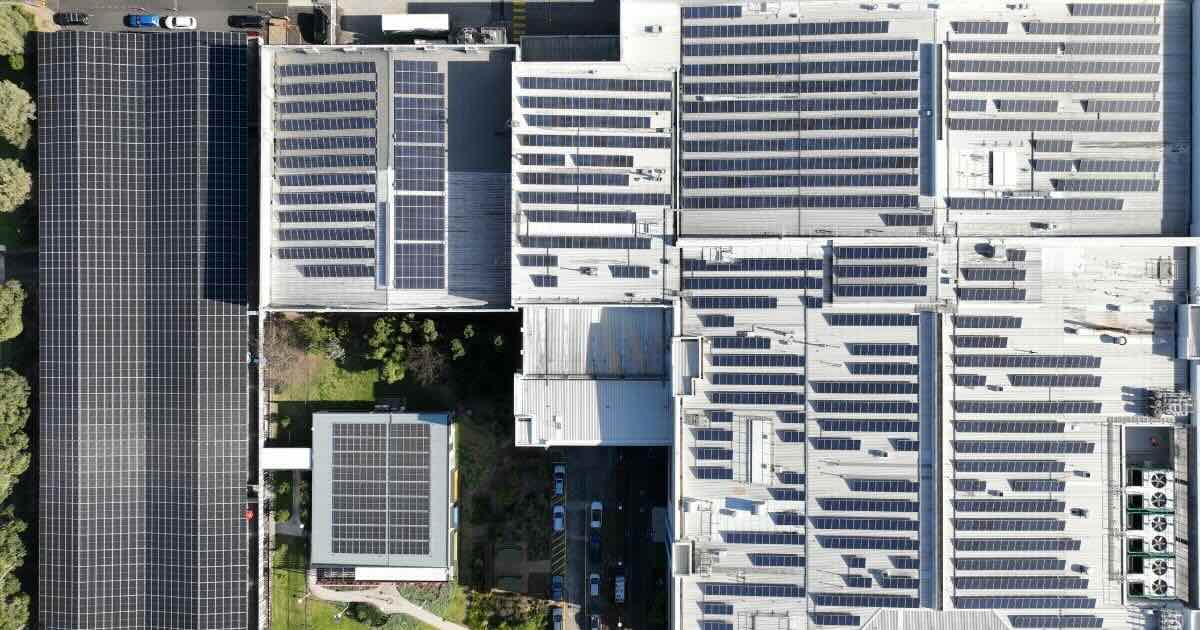
Solar Boom: Factories and Farms Face Challenges with New Incentives
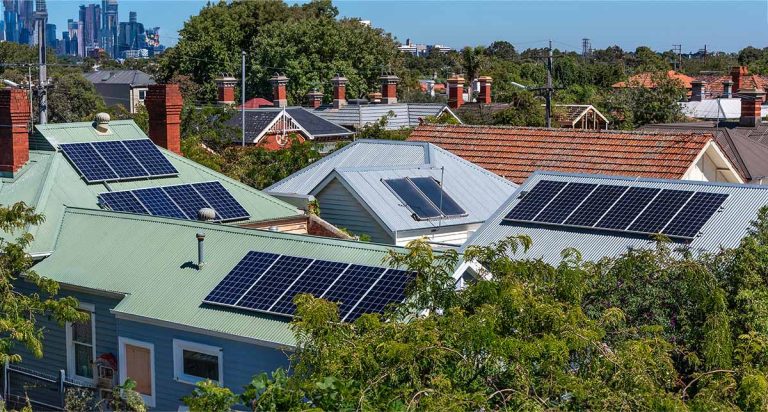
Just a week following the federal government’s announcement to broaden the rooftop solar rebate to include farms, factories, and various businesses, the industry is abuzz with anticipation for the “insane” demand that could arise from a largely untapped market. However, ahead of the anticipated October amendments to the Small-scale Renewable Energy Scheme (SRES), which will offer around a 20% discount on rooftop solar projects sized from 100 kilowatts (kW) to 1 megawatt (MW), some warnings are surfacing.
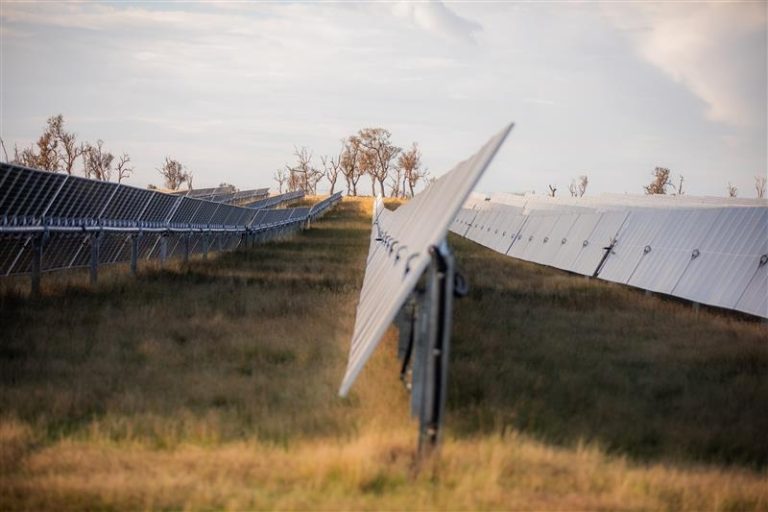
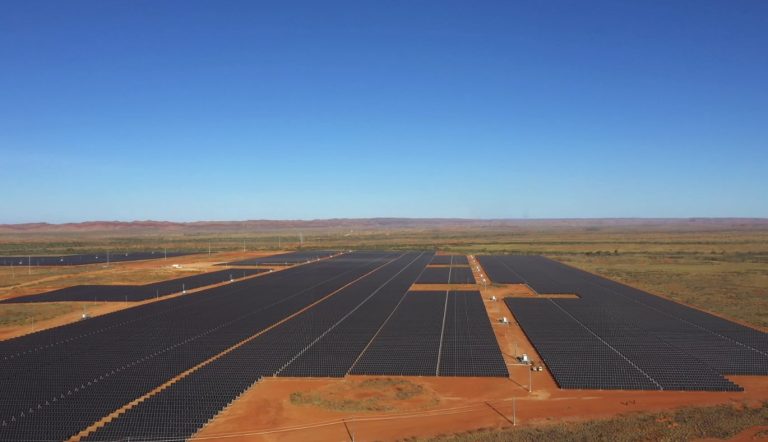
One key takeaway is that the vast potential for commercial and industrial (C&I) rooftop solar won’t instantly translate into hundreds of megawatts of new grid capacity, unlike the rapid uptake seen with the Cheaper Home Batteries scheme. Larger rooftop installations require longer timelines for delivery, necessitating compliance with various regulatory and network standards. Additionally, there are fewer companies that focus solely on C&I solar projects.
Longer Timelines for Large Solar Projects
According to Smart Commercial Energy, a leading C&I solar firm in New South Wales, projects around the megawatt size can take roughly six months to complete, especially in the planning phase. Jon Vlatko, the chief sales officer, stated, “You can’t just install a megawatt of solar next week.” He emphasised that extensive planning is required, involving different stakeholders across various locations, sometimes internationally.
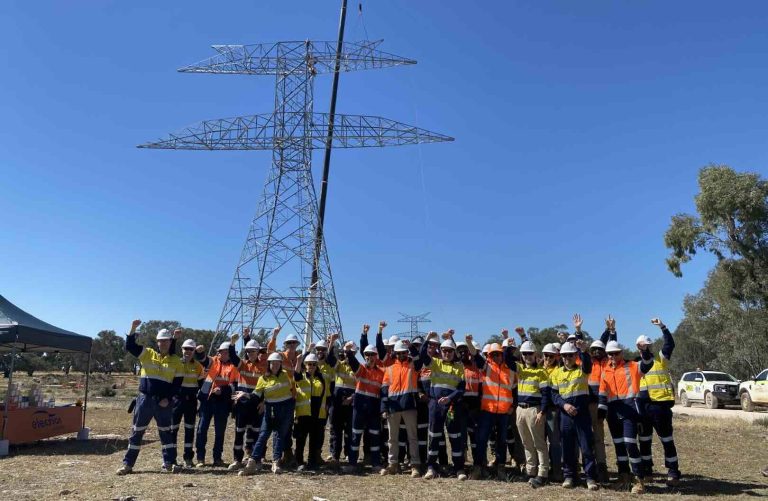
In addition to internal company processes, Vlatko pointed out that complications can arise from distribution network service providers (DNSPs), which have their own sets of regulations that must be adhered to for connecting larger solar systems to the grid. “Streamlining DNSPs is significantly hampering our efforts and causing delays,” he expressed. The increased scrutiny on larger systems means they are subject to more comprehensive investigations and stringent standards, an aspect that Vlatko conveyed is beyond the control of solar companies.
Worries About Market Integrity
Another crucial issue raised within the industry since the SRES expansion announcement is the concern that the new incentive could lure in less reputable firms, often labelled as ‘cowboys’, particularly as demand surges. Paul Harmsworth, the chief technical officer at Symmetry Solar and director at Rethink Renewables, cautioned that while the commercial solar and battery sector is experiencing remarkable growth, it is essential for potential customers to conduct thorough background checks on the providers they engage for solar system installations.
Harmsworth advised potential customers to ask installers about their previous projects and to verify their work. He highlighted that developing a larger solar array involves various factors beyond what is required for residential systems, such as structural engineering and inverter capacity protection. This complexity is vital to ensure the longevity of the systems, with many needing to last for 25 years as warranted.
Navigating Complexity and Skill Gaps
Vlatko concurred with the need for due diligence but is confident that the level of expertise and technical knowledge essential for designing and installing C&I solar systems will filter out inexperienced operators. “The complexity and slow sales cycles will prevent a wild rush into the market,” he asserted, suggesting that only capable firms will rise to meet the demand effectively.
The latest SRES expansions have generated particular interest in battery storage options. Although many businesses typically consume energy during daylight hours when solar production peaks, Vlatko explained that incorporating batteries can still be advantageous. His own experiences reveal that adding battery storage can notably reduce payback periods for certain clients, even outstripping the benefits of larger solar installations alone.
Regional Differences in Demand
Smart Commercial Energy has noticed a stark contrast in demand for battery solutions between New South Wales, which has announced a new Peak Demand Reduction Scheme (PDRS), and other regions in Australia. Vlatko reported a significant spike in the number of battery quotes from NSW customers since the PDRS went public, describing the activity as “insane” compared to the more subdued interest in other areas lacking similar incentives.
Positive Response to SRES Changes
Overall, the industry has responded positively to Bowen’s initiative to extend the SRES to more C&I players. Vlatko noted that the Smart Energy Council’s recent report echoed many of the industry’s concerns and provided clear directions, making the adjustments to the STC a welcomed development.
He observed three main customer categories benefiting from this announcement. The first includes previous proposals that now show improved return on investment, prompting companies to revisit quotes made in the past year. The second illustrates clients who originally undersized their solar systems to qualify for STCs, now able to upgrade effortlessly. Lastly, the third group consists of potential consumers who are only just beginning to explore solar installations.
“This is just a stepping stone in the right direction, but not the final solution,” Vlatko concluded, emphasising that while the changes are beneficial, there remain numerous opportunities and challenges to explore for C&I solar solutions in Australia.