Victorian Midday Power Saver: Save on Electricity with Free Power Hours
The Victorian Labor government has clarified aspects of its Midday Power Saver initiative, announcing that the free electricity period will occur from 11am to 2pm. This comes alongside a recalibration of potential savings following the recently lowered default electricity prices that were revealed this week.
In March, Victoria indicated that a state-specific adaptation of the federal Labor’s Solar Sharer program would be available to residential households through the Victorian Default Offer (VDO) starting from 1st October this year, which is just under two months before the upcoming state election.
Energy Minister Confirms Key Details
This week, State Energy and Climate Minister Lily D’Ambrosio confirmed essential details of the free power scheme. She remarked that households opting into this programme could see reductions in their electricity bills ranging from $149 to $1,102 per year, depending on how much power they shift to the midday hours.
The federal initiative, Solar Sharer, was revealed last November as part of the reforms to the Default Market Offer (DMO). This mandates electricity retailers to provide free electricity for a minimum of three hours during the day across DMO states—which encompasses all states in the National Electricity Market (NEM) apart from Victoria. This will commence on 1st July.
Understanding the Free Power Offers
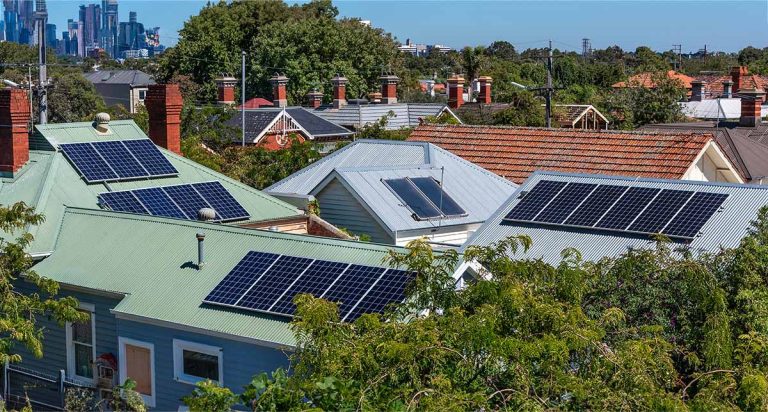
Under Solar Sharer, the designated free time slots are from 11am to 2pm in the New South Wales and South East Queensland regions, and from 12pm to 3pm in South Australia, unaffected by daylight savings adjustments. The primary aim of both initiatives is to address energy inequality by distributing the cost-saving benefits of rooftop solar to those unable to install such systems.
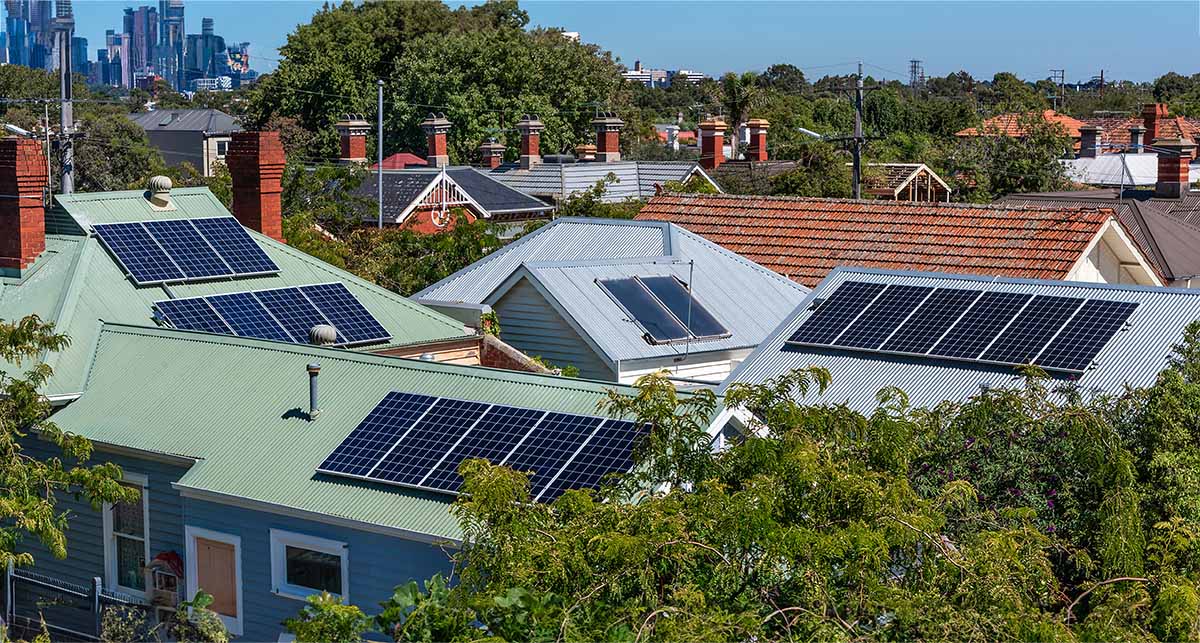
Moreover, these initiatives intend to encourage households to shift their energy consumption to the middle of the day to better manage the surplus solar energy that frequently inundates the grid.
Regulatory Insight and Customer Guidelines
The Australian Energy Regulator (AER), which oversees the DMO, has issued a reminder that, beginning in July, retailers must provide a default Solar Sharer Offer as an opt-in energy plan for customers with smart meters, extending beyond just those on the DMO. AER chair Clare Savage encouraged consumers to engage with their retailers regarding how this new option can significantly lower electricity expenses if some usage, like running washing machines or air conditioning, can be moved to midday.
Additionally, Savage noted that the integration of the Solar Sharer Offer within the DMO ensures a regulated price, giving consumers peace of mind that they won’t face overcharging outside the free power period.
It’s important for customers to understand that opting into the Solar Sharer Offer is necessary, as they cannot be automatically enrolled in it or when transitioned to a deemed contract, as reiterated by the AER.
Impact on Electricity Prices Across Australia
This week, both the AER and Victoria’s Essential Services Commission (ESC) finalised their determinations surrounding default electricity prices across different states and distribution zones, confirming price cuts overall, with South Australia as the sole exception. In DMO regions, the AER disclosed that the residential flat-rate standing offer would decrease by approximately 3.4 to 5 per cent in New South Wales and by 7.2 per cent in South East Queensland compared to last year.
Conversely, South Australia is expected to experience a minor annual increase of 1.4 per cent (equivalent to $33); however, customers under time-of-use retail offers will see reductions of about 1.1 per cent ($25) for residential clients and a significant drop of 12.1 per cent ($673) for small business owners.
Victorian VDO Price Reductions
According to the ESC, price drops for Victorian households under the VDO will range from a maximum of $160 for AusNet customers to $50 for those with United Energy, leading to an average decline of roughly 5 per cent year-on-year.
For small businesses under the VDO, the ESC reported price drops between $502 (for AusNet) and $151 (for Powercor) compared to 2025-26, averaging a decrease of 6 per cent from the previous year. Minister D’Ambrosio emphasised that VDO customers fare better than those in other states under the average DMO, with potential savings of $444 for households and $1,299 for small businesses by 2026-27.
Key Takeaways on the Midday Power Saver
D’Ambrosio proclaimed that the Midday Power Saver will provide the most substantial offer nationwide, available to all 2.6 million households equipped with smart meters in Victoria, compared to 2.4 million in other states collectively.
She stated, “Three hours of free power every day will alleviate financial pressure on household bills, and lower prices outside those hours will allow families to save even more.” However, there are some points for customers to keep in mind; electricity rates outside this timeframe could potentially be higher, and actual savings will rely heavily on the ability to shift usage from peak times to midday.
To enrol in the Midday Power Saver scheme, customers are encouraged to engage with their electricity retailer from October to determine if this offer meets their needs, which includes being informed about other potentially more suitable plans based on their energy usage patterns.
Providers are also required to explain that the Midday Power Saver may not be ideal for everyone, as failure to shift usage might lead to increased electricity costs, particularly if the fair use cap is exceeded.
Customers will receive guidance about the potential impact of the new tariff structure on their costs, including an estimated financial effect wherever possible.
For those looking to stay informed on clean energy news, a free daily newsletter subscription is available, drawing in over 29,000 subscribers.