Households Drive Affordable Electricity Transition, AEMO Calls for Renewable Action
AEMO’s 2026 Integrated System Plan outlines a cost-effective renewable energy transition, emphasizing solar, wind, and storage to meet rising electricity demands.

AEMO’s 2026 Integrated System Plan outlines a cost-effective renewable energy transition, emphasizing solar, wind, and storage to meet rising electricity demands.

Building data centers near renewable energy sources can reduce energy waste and support local economies while meeting AI demands.

In 2025, global solar PV capacity reached over 3 terawatts, with significant installations despite a projected slowdown in growth for 2026.
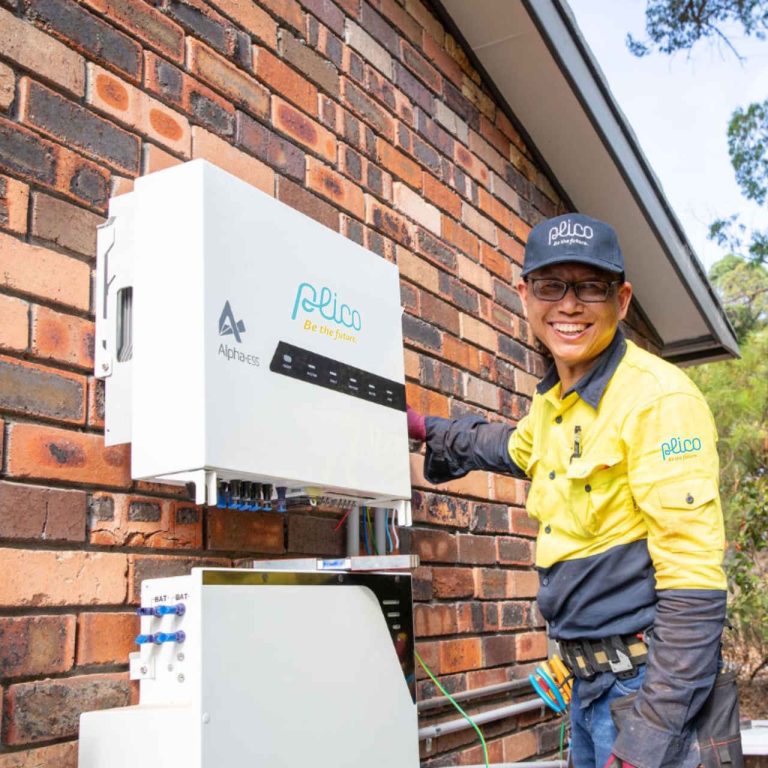
Plico Finance introduces low weekly instalments for solar and battery systems, making clean energy accessible to more households in NSW and WA.
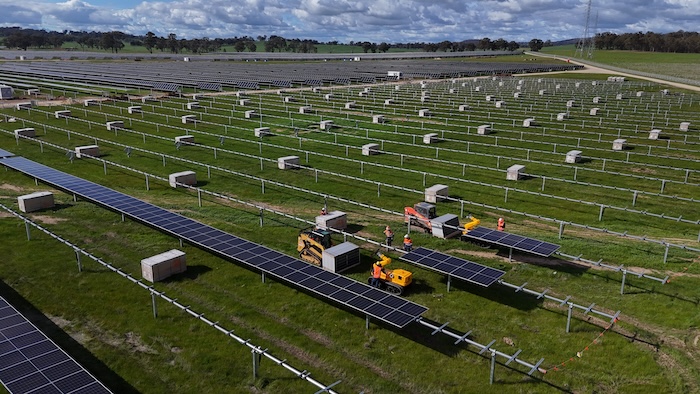
The Goorambat East solar farm in Victoria is now fully operational, showcasing advanced robotic technologies in its construction process.
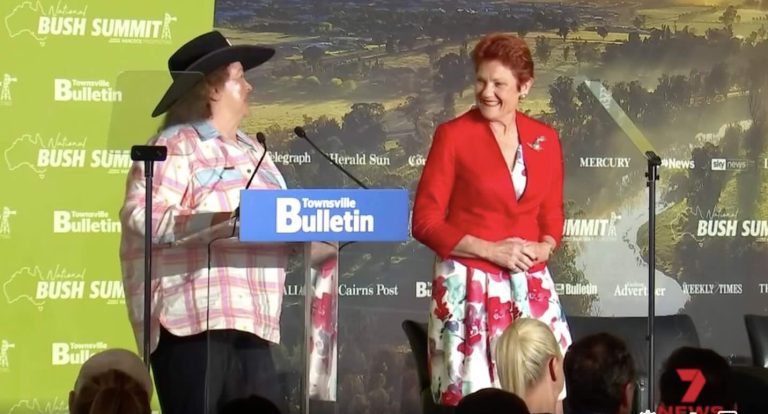
Hanson and Rinehart criticize renewable energy while ignoring its benefits, revealing contradictions in their stance on mining and climate policies.

The Australian Centre for Advanced Photovoltaics receives six more years of funding to enhance solar technology and reduce costs, supporting Australia’s clean energy future.
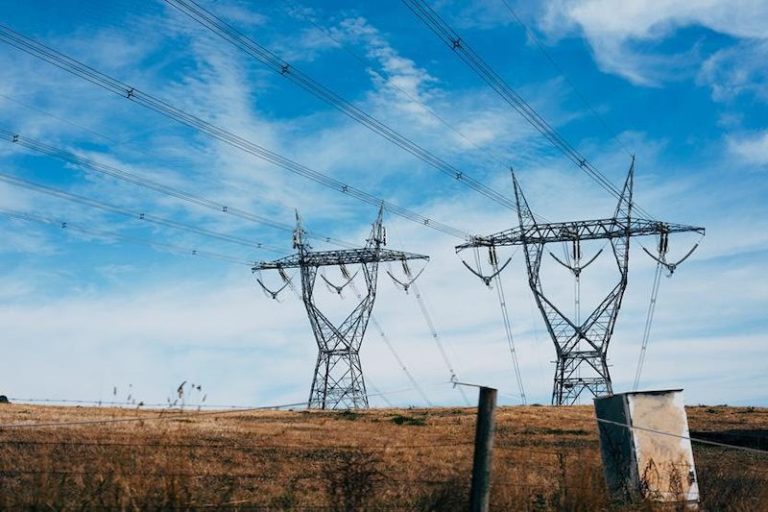
Anna Collyer compares electricity pricing to milk costs, advocating for fairer network tariffs based on demand rather than fixed charges.
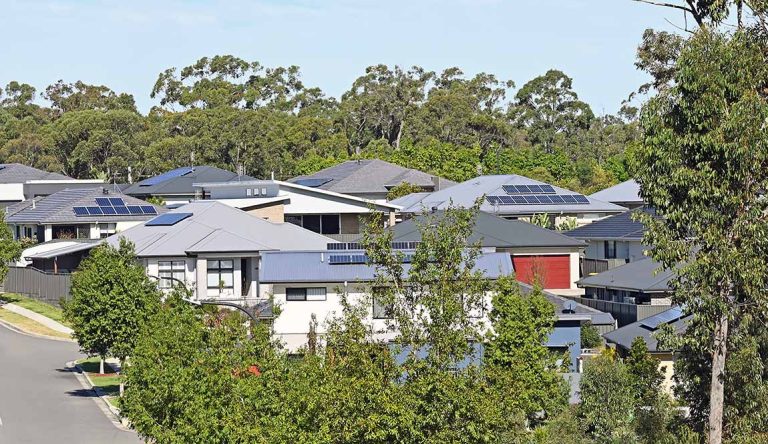
The NSW government provides zero-interest loans up to $15,000 for energy upgrades, benefiting over 32,000 households with solar, batteries, and insulation.
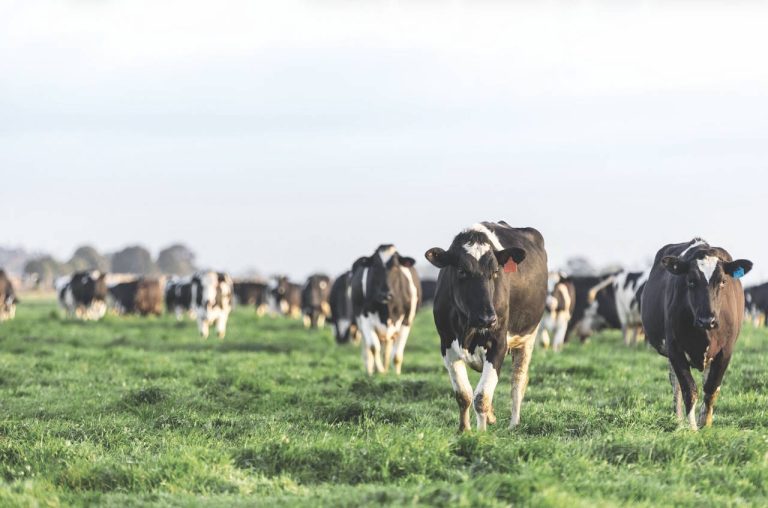
Fonterra has signed long-term solar agreements to phase out coal boilers, aiming for a sustainable energy future by 2037.
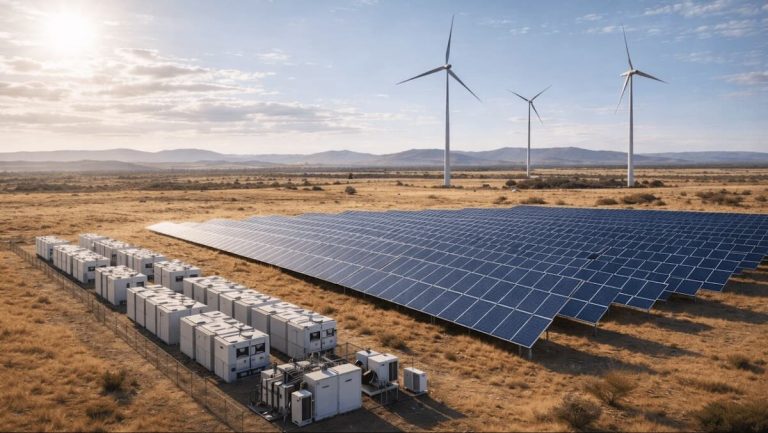
Australia’s biggest wind farm plans have been revised to include solar and battery systems, creating a hybrid energy hub in Queensland.
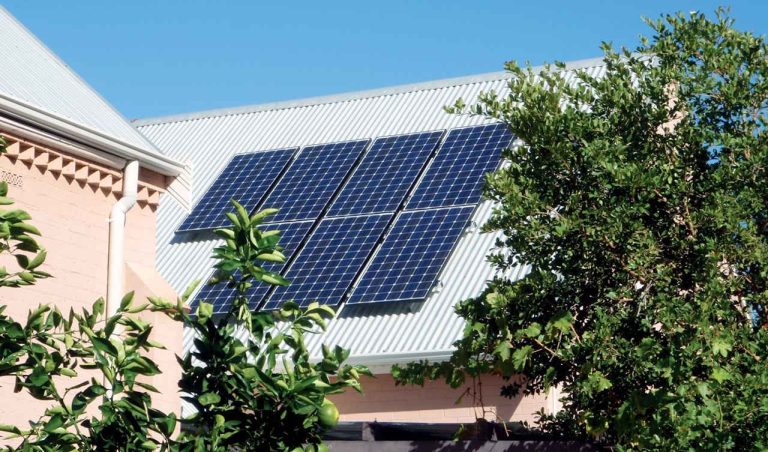
Victoria reduces income eligibility cap for rooftop solar and hot water rebates to $150,000, targeting households facing cost of living pressures.