Europe Prepares for Solar Eclipse Impact on Power Generation
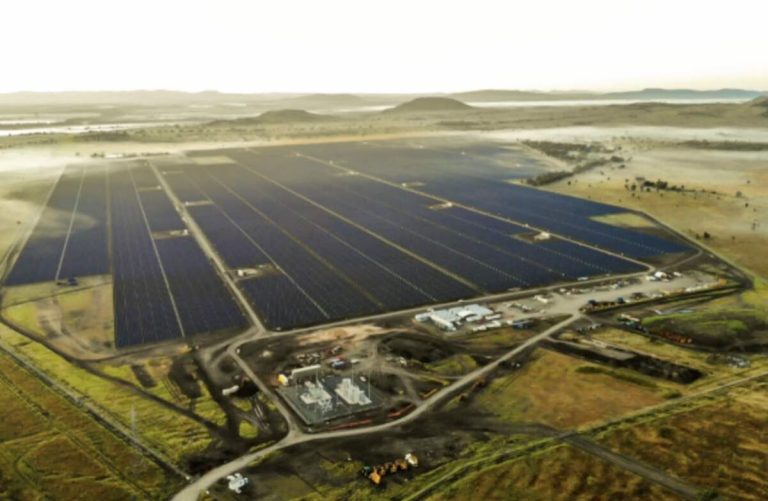
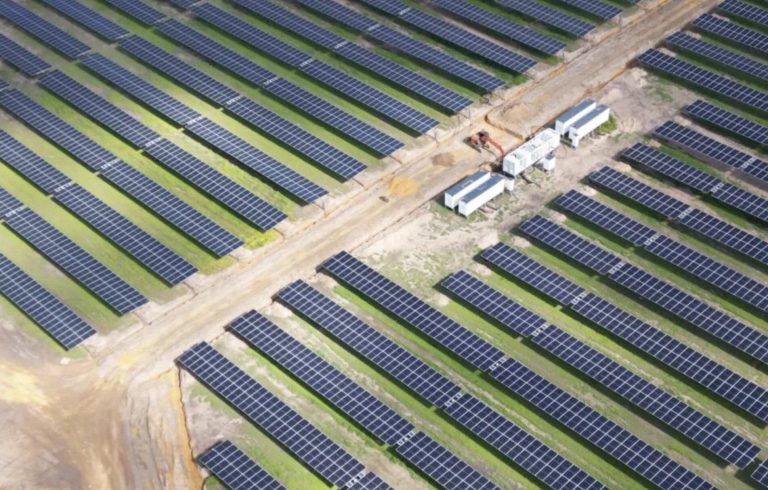
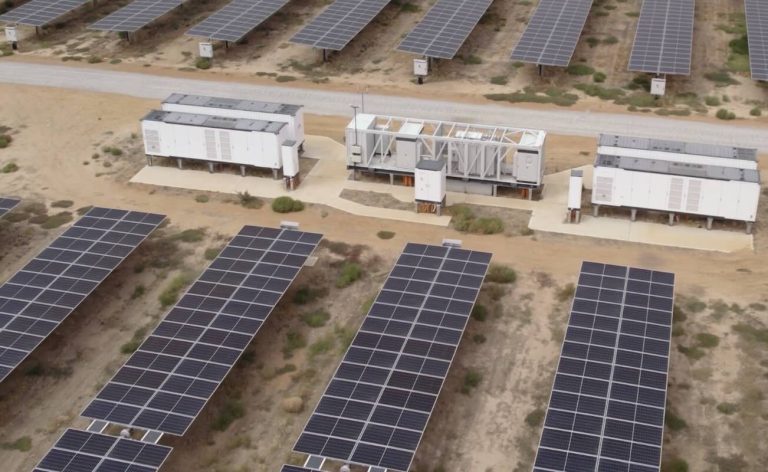
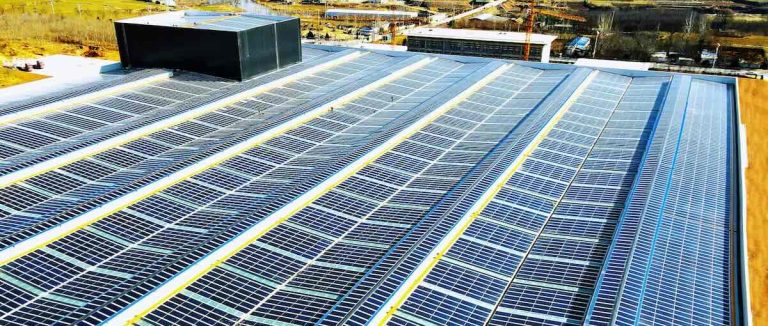
Transmission system operators (TSOs) across Europe are gearing up for a total solar eclipse set to traverse various regions of the continent on Wednesday, which is expected to reduce solar photovoltaic (PV) output by as much as 9.7 gigawatts (GW).
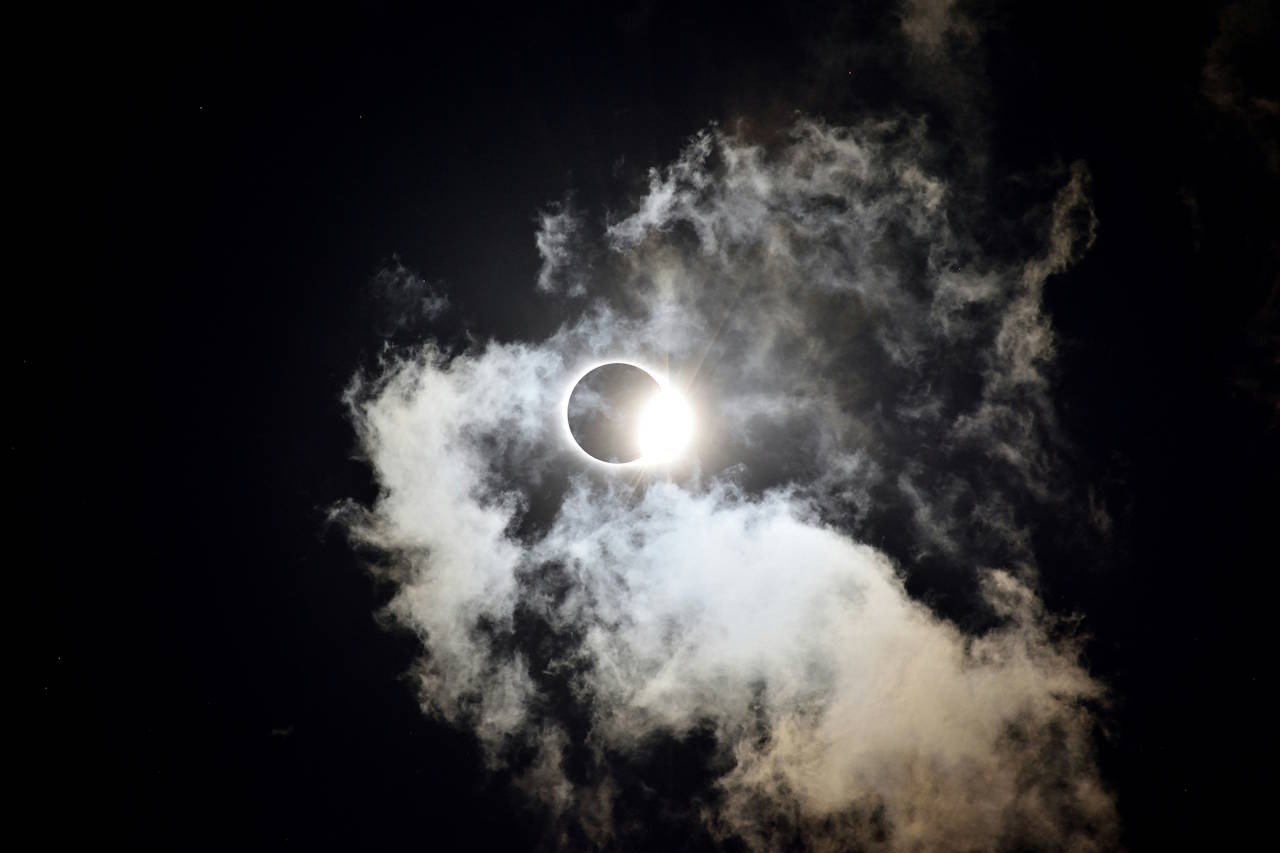
Scheduled for the evening of August 12, the eclipse will travel across Greenland, Iceland, northern Russia, the Atlantic Ocean, Spain, and a small region of Portugal, as per NASA’s forecasts. A partial eclipse will be observable in many other parts of Europe.
Preparation in Advance
Like all eclipses, this event has been on the radar for some time, giving Europe’s TSOs ample opportunity to prepare for the rapid decline in solar energy production. In 2025, a similar eclipse had already resulted in a 13 per cent drop in generation across the European Union.
As noted by the European Network of Transmission System Operators for Electricity (ENTSO-E), provided that skies remain clear, solar PV output across Europe might diminish by up to 9.7 GW, leading to what the organisation refers to as “a rapid but predictable change in generation patterns” between 19:15 and 21:30 CEST.
Coordinated Measures in Place
Thanks to established coordination systems and proactive strategies, ENTSO-E and the continent’s TSOs have been adequately prepared for this occurrence. To maintain operational efficiency during the eclipse, various coordinated measures have been implemented across Europe, including increased vigilance in control rooms and the sharing of information with market participants.
Spain and Germany are predicted to face the most significant disruptions, primarily due to their high levels of solar generation. Spanish grid operator Red Eléctrica anticipates a loss of up to 5 GW of capacity, roughly 13 per cent of what would be peak demand for a typical Wednesday in August, although the actual impact will rely on weather conditions on the day.
In Germany, TSOs expect that up to 2 GW of solar capacity might be compromised under clear skies, but have assured that this will not lead to an overall shortage of electricity supply. Meanwhile, in France, local TSO RTE forecasts a reduction in solar PV production by around 1.8 GW.
UK’s Response to the Eclipse
The UK’s National Energy System Operator (NESO) has also emphasised their readiness, aligning with their Continental counterparts. NESO chief engineer Julian Leslie remarked to the Express, “Like all weather events, Wednesday’s solar eclipse is something we’ve been planning and are fully prepared for. While millions in Britain take a moment to enjoy the spectacle, our control room will be expertly managing the network, primed for their return to normal routines.”
Leslie further indicated that the anticipated dip in British solar energy generation is merely a “drop in the ocean” relative to the overall system.
Nonetheless, UK energy retailer Octopus Energy is initiating an “Eclipse Power Down” campaign, urging households to reduce their electricity usage during the peak of the eclipse when solar generation experiences its greatest decline. Eligible consumers who manage to “use a little less electricity than normal during those two hours” will receive an hour of free electricity on Sunday 16 August. Additionally, Octopus Energy is hosting an eclipse photography competition, with rewards including free solar panel installations or a £12,000 cash alternative.