Bushfire Smoke Reduces Solar Farm Output Over 150 km, Study Reveals
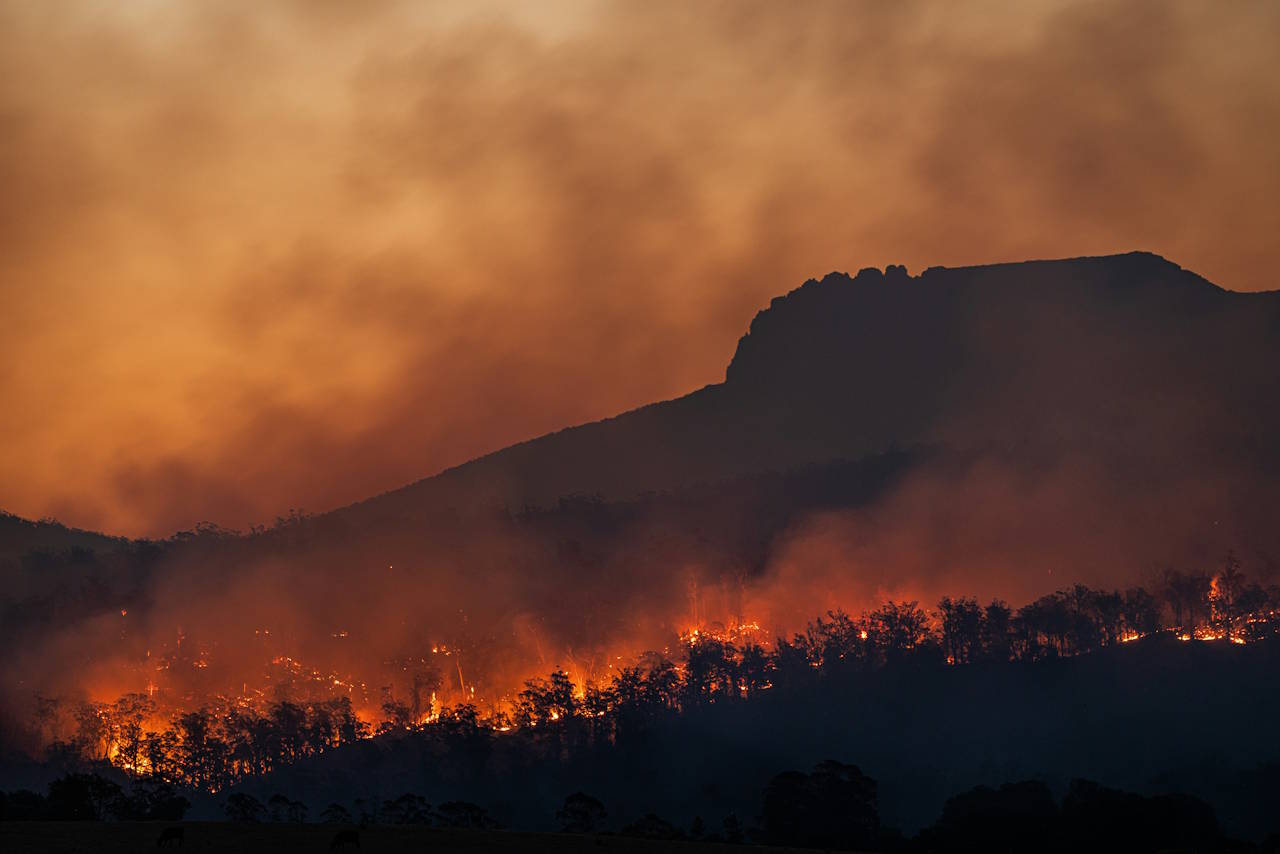
Solar farm operators across Australia have been alerted to prepare for the impacts of bushfires, not just the direct threat of flames. Major smoke outbreaks can drastically hinder electricity production, affecting areas as far as 150 kilometres away.
A recent study from the University of New South Wales (UNSW) has emphasised the importance of improved forecasting for smoke dispersion, more regular inspections and cleaning of solar panels, as well as modifications to the operational protocols of solar technology.
Understanding the Effects of Recent Bushfires
The UNSW research investigated the repercussions of the significant bushfires during the 2019-2020 Black Summer and Victoria’s 2009 Black Saturday fires. Findings suggest that the influence of smoke extends well beyond the immediate vicinity of a fire, necessitating a broader view of smoke travel patterns.
The study employed historical weather and satellite data to model the impact of smoke and particulate matter on solar energy production and panel temperatures across south-eastern Australia. It’s important to note that the results are modelled estimates rather than specific measurements from individual solar farms.
During the Black Summer fires, it was estimated that energy production from solar farms could have plummeted by as much as 70 per cent within 50 km of fire hotspots, with reductions of about 40 per cent experienced in areas more than 150 km away.
Additionally, although on a smaller scale, the Black Saturday fires resulted in an 18 per cent reduction in energy generation from solar farms close to fire zones, and a drop of 4 to 10 per cent for those located over 100 km away.
Research Findings and Recommendations
The reductions in energy output were attributed not only to smoke plumes and haze, which significantly lower solar irradiance, but also due to the accumulation of smoke particles on the solar panels, decreasing the amount of sunlight reaching the panel surfaces.
Dr Shukla Poddar, the lead author of the report and a postdoctoral researcher at UNSW Sydney, stated, “We need to explore trajectory modelling of smoke and determine how long and far these particles can be transported.”
As extreme bushfires become increasingly common in various regions, including Australia, California, and southern Europe, their effects are far-reaching. For instance, smoke from California’s 2020 wildfires even reached Europe, underscoring the need for broader studies of such events.
The research also indicated that during the Black Summer bushfires, the operational temperature of solar modules was 10-20°C higher than expected. This was influenced by abnormally high temperatures during that summer, alongside deposits of smoke particles on solar panels leading to localised hotspots and enhancing thermal degradation risks.
Improving Preparedness for Solar Farm Operators
Among the recommendations stemming from this study is the need to integrate bushfire intelligence, wind patterns, and smoke trajectory modelling. This approach would assist in forecasting which solar farms are likely to face negative impacts.
Current weather forecasts help solar farm managers anticipate conditions such as heatwaves and strong winds; a similar predictive system for smoke could provide advance warnings for operators when smoke particles approach their areas.
Being alerted about potentially affected solar farms would enable operators to implement mitigation strategies. For instance, they could adjust the angle of panels to reduce heat exposure or prepare for additional cleaning where necessary, as Dr Poddar explained.
Altering panel angles could minimise heat buildup and assist in dislodging smoke particles adhering to the panels.
Furthermore, the paper stresses the importance of advanced remote monitoring and prompt fault detection to swiftly identify temperature anomalies and isolate affected components within the system.
Implications for Future Solar Farm Development
The research will also aid in future decisions regarding the placement of new solar farms. Developers could analyse local bushfire history, wind patterns, and potential smoke pathways when selecting sites.
The paper indicates that, “This framework can be employed to identify frequent bushfire hotspots and smoke trajectory pathways, serving as a pre-feasibility tool for site selection of new solar farms.” It adds that this method is beneficial for crafting optimal operational strategies at existing solar farms situated near potential bushfire zones.
Those interested in staying informed on clean energy developments can subscribe to the daily newsletter for the latest insights.