Rinehart-backed miner reaches 90% renewable energy in June quarter, considers off-grid processing plant
Lynas Rare Earths, a key player in the rare earths mining sector and backed by Australia’s wealthiest individual, Gina Rinehart, has announced that it has reached a renewable energy utilisation rate of 90% over the past quarter. Due to persistent reliability issues with the main power grid, the company is contemplating moving its processing plant to an off-grid system.
Despite being a vocal critic of the Net Zero initiative and renewable energy, Rinehart holds a considerable stake in Lynas, which is the only major global supplier of separated rare earth materials outside China. Recently valued at approximately $15 billion, Lynas secured a significant contract with a factory in Malaysia that manufactures components for the wind turbine and electric vehicle industries.
Renewable Energy at Mt Weld
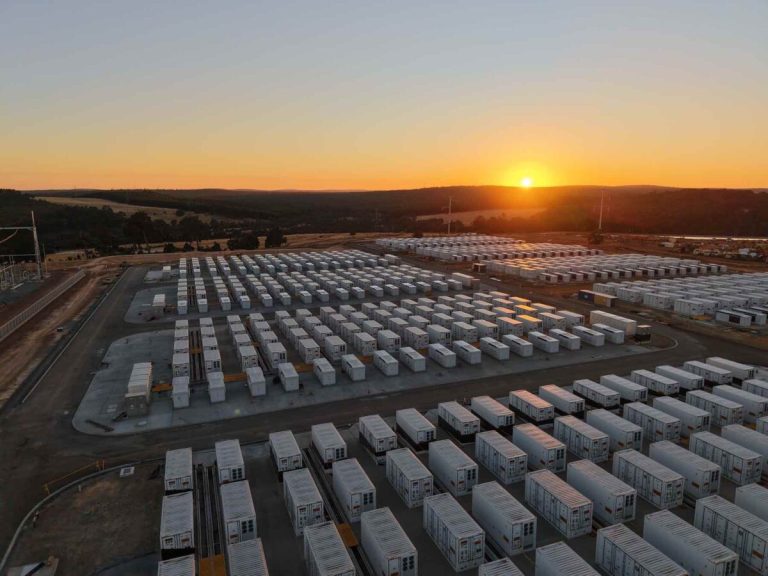
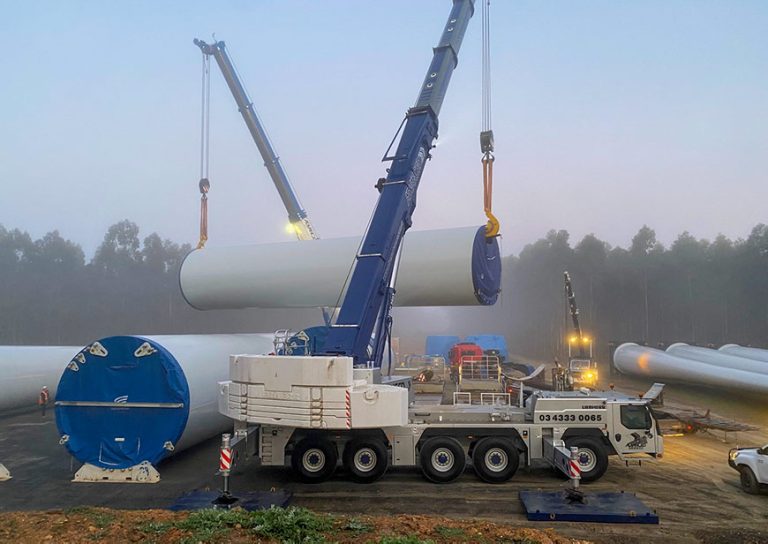
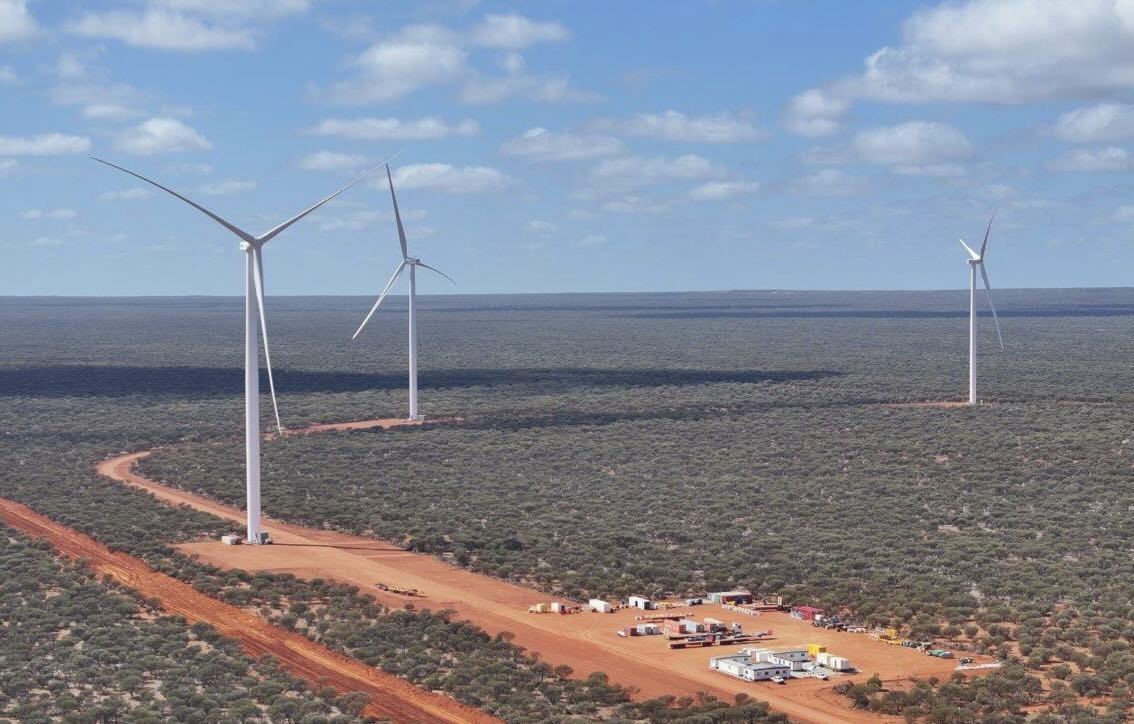
The company’s flagship operation, the Mt Weld mine located in Western Australia, features one of the highest proportions of renewable energy derived from its hybrid power plant, which commenced operations last year. This facility combines 24 megawatts (MW) of wind power, 7 MW of solar energy, and a 12 MW/12 MWh battery system. Initially aiming for a 70% renewable energy share, Lynas has surpassed expectations, achieving a remarkable 95.7% in the first quarter of 2026 and maintaining 90% in the more challenging June quarter.
In a quarterly report released on Wednesday, the firm noted, “The Mt Weld hybrid renewable power station continued to achieve renewable electricity content above the targeted 70%, with an average renewable content of 90% in the June quarter FY26.” Additionally, Lynas mentioned that the high percentage of renewables results in minimal diesel usage, primarily restricted to trucks transporting ore to the processing facility in Kalgoorlie.
Challenges with Kalgoorlie Power Supply
While Lynas did not elaborate on the hybrid power plant in its communication to shareholders, the subsequent call with investment analysts highlighted concerns regarding the reliability of the power supply in Kalgoorlie, where its processing facility is situated. Pol Le Roux, the interim CEO, acknowledged that operations are still prone to regular power outages despite some improvements made recently.
“The power supply is not where we would like it to be,” Le Roux commented. “We faced a challenging situation from late October until January or early February this year. Conditions have improved since then due to adjustments made by Western Power.” He added, “Currently, we experience about one power failure per month, which is not ideal but manageable.”
Le Roux further stated, “We are still considering whether to adopt an off-grid solution. While not an immediate necessity, the situation has improved, albeit not to the extent we would hope. I remain cautiously optimistic about maintaining the frequency of outages.”
Power Reliability Challenges in Kalgoorlie
Kalgoorlie has faced several blackouts over recent years, notably one caused by a storm that damaged transmission lines and the failure of backup gas-fired generators. In response to these ongoing challenges, the Western Australian government is evaluating bids for a 50 MW, 500 MWh vanadium flow battery, aimed at enhancing grid reliability and supply in Kalgoorlie and nearby regions.
The town is linked to the state’s main grid through a single transmission line, which frequently suffers outages due to storms, dust, or lightning. As a response, Western Power, the state’s electricity provider, is working to improve local resilience by incorporating more renewable energy sources and energy storage solutions.