Australia’s Solar Leadership at Risk Amid Global Collaboration Challenges
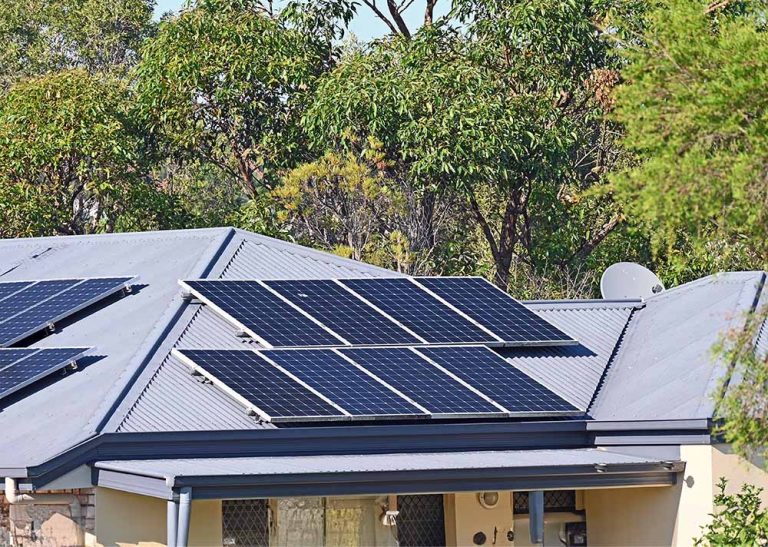
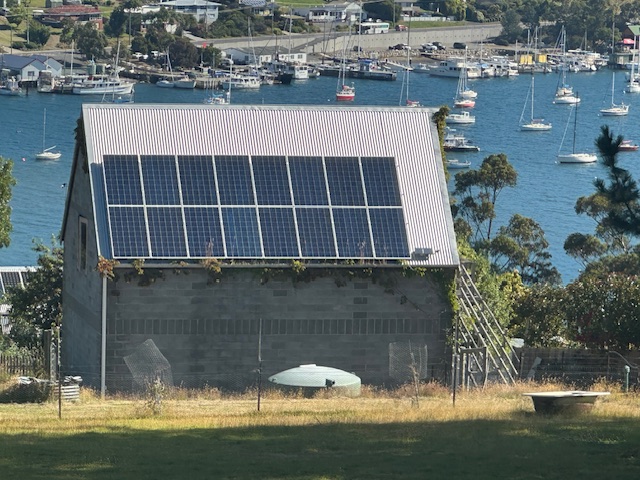
Australia is frequently hailed as a solar pioneer on the global stage, leading in rooftop solar adoption per capita and boasting significant distributed photovoltaic (PV) penetration. The nation is increasingly recognised for its innovations in areas like grid integration and solar-enabled architecture.
However, many Australians might not be aware that a substantial portion of the global recognition for these advancements stems from the country’s ongoing involvement in two essential programmes, which now face uncertainty. Australia’s engagement with the International Energy Agency’s Photovoltaic Power Systems Program (IEA PVPS) and Solar Heating and Cooling Program (IEA SHC) is crucial for its standing in international energy discourse.
Significance of International Programmes
These initiatives aren’t merely symbolic; they are integral to fostering global collaboration aimed at advancing energy technology. The IEA Technology Collaboration Programs unite governments, industries, and experts from over 55 countries to address pressing energy issues through cooperative efforts.
In particular, the IEA SHC Program is recognised as the largest global network focused on solar heating and cooling research, having been established in 1977. This programme brings together specialists to collaborate on projects relevant to buildings, industrial applications, thermal systems, and integrated solar technologies.
Similarly, the IEA PVPS Program facilitates international cooperation on a multitude of areas related to photovoltaic technology, including deployment strategies, system efficiencies, sustainability, and market analyses. Its comprehensive reports are widely utilised by governments, industry analysts, and researchers across the globe.
The Role of Australian Experts
Australia has been a participant in these significant international programmes since their inception—around 50 years for the IEA SHC and over 30 years for the IEA PVPS. Contributing experts from Australia have played a pivotal role in influential research on topics such as rooftop solar deployment and distributed energy integration, with many solar statistics cited in Australian policy debates originating from these collaborations.
The reports generated through the PVPS and SHC initiatives serve as essential benchmarks for Australia’s achievements and leadership in the solar sector. Yet, the advantages of participation extend beyond these publications; they provide pathways for Australian researchers and industry to access global research networks, collaborative initiatives, and insights into emerging technologies.
The Economic Implications of Continued Participation
Australia’s solar market is no longer a niche sector; it accounts for tens of billions of pounds in investments across solar installations, utility-scale projects, energy management systems, and the associated infrastructure. Continued engagement with these international programmes is vital for nurturing industry capabilities, fostering innovation, and enhancing investment confidence in this rapidly expanding sector.
At a time when Australia is due to host the International Solar World Congress in 2027, it would be a setback for the country to withdraw from such essential programmes, especially following its prominent role in international clean energy discussions at events like COP30. Ongoing participation would underscore Australia’s commitment to being a leader in clean energy and a collaborator on the world stage.
Future Challenges and Opportunities
Australia is also advancing towards closer association with Horizon Europe, opening doors for deeper international research collaborations. Engagement in the PVPS and SHC programmes is vital for Australian entities to connect with European and global innovation networks, creating future research partnerships that can enhance Australia’s global research connectivity.
As global cooperation becomes crucial for tackling challenges such as grid integration, low-carbon infrastructure, and energy resilience, maintaining these international alliances is strategically imperative for Australia. Nonetheless, despite the significance of these programmes, federal support for Australia’s participation is uncertain and only guaranteed until March 2027, with no long-term funding plan in sight.
The Importance of Sustained Collaboration
The investment needed to uphold Australia’s involvement in these programmes pales in comparison to the overall scale of the country’s energy transition expenditures and the industries they support. Withdrawal would have substantial negative implications. International collaboration efforts, like the IEA TCPs, typically span several years, necessitating consistent participation to maintain influence and harness collaborative potential.
Without clear future support, Australia risks forfeiting essential access to global collaborations, diminishing its input in setting future energy standards and strategies while reducing its leverage in international clean energy dialogues.
Currently, over 40 Australian professionals contribute to the PVPS and SHC programmes, with growing interest from the research community, industry stakeholders, and government entities. However, uncertainty plays a spoiling role, hindering both ongoing cooperation and new opportunities for Australian input in emerging international projects.
Australia has spent decades cultivating its reputation in solar energy. Abruptly withdrawing from the programmes that have contributed to this leadership would be a shortsighted decision, particularly when the world increasingly turns to countries like Australia for practical renewable energy solutions and leadership.
If the aim is for Australia to truly position itself as a renewable energy powerhouse, maintaining participation in global solar collaborations should be viewed as essential, not optional.