Opposition Forces Solar Hybrid Project to Independent Panel Review
A recent surge of submissions, predominantly from anti-renewable advocates, has prompted the referral of a new solar and battery hybrid initiative in New South Wales to the Independent Planning Commission (IPC). Notably, many of those objecting live over 50 kilometres away from the proposed site.
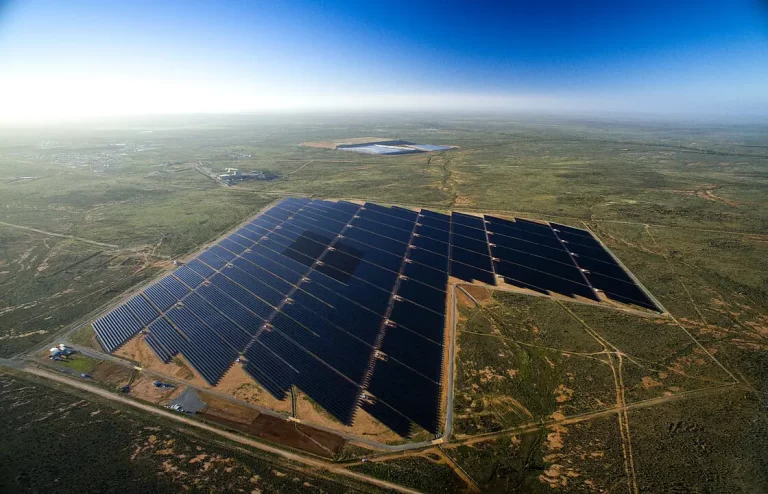
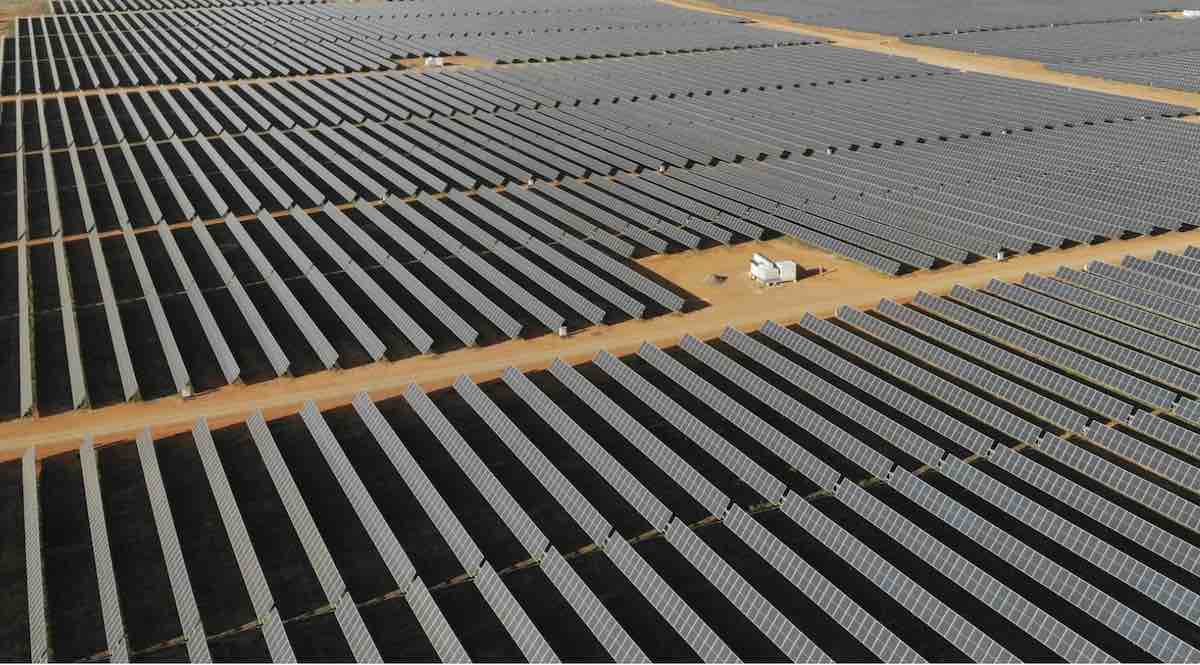
Recurrent Energy plans to establish the Sundown solar farm, which will have a capacity of 360 megawatts (MW) and will be complemented by a 150 MW battery storing 600 megawatt hours (MWh) of energy. This project is situated near the existing White Rock and Sapphire wind farms, positioned on land that is sparsely populated, with no residential properties within 2.1 kilometres of the site.
Community Concerns
Despite the state’s planning department deeming the project “approvable”, and with no objections from the local council or other authorities, the referral to the IPC has been primarily driven by the 128 submissions opposing the project. Among these, 88 objectors reside more than 50 kilometres away, with seven being from other states; 23 live between 15 and 50 kilometres from the site. The predominant concerns revolve around the broader renewable energy transition and the utilisation of agricultural land, though some also raised apprehensions regarding noise and visual disruption.
A smaller group of nine objectors, located within 5 kilometres, expressed worries about traffic impacts, road usage, fire hazards, water supply issues, as well as dust and noise pollution. They have highlighted a perceived lack of consultation from Recurrent Energy throughout the developmental process.
Project Development Timeline
Recurrent Energy, which is a subsidiary of the solar manufacturing powerhouse Canadian Solar and ranks among the largest developers of utility-scale solar and energy storage solutions globally, has been working on the Sundown Solar Farm for several years. The project’s Environmental Impact Statement (EIS) was showcased in mid-2023, but faced delays as the company worked to secure a landowner’s consent for vital road upgrades to a segment of the transportation route close to the project area.
Due to these delays, Recurrent Energy was only able to finalise its response to community feedback in June last year, leading to a reduction in the project’s land footprint and a commitment to avoid impacting local native habitats.
Environmental Assessments and Agricultural Impact
Located within the New England renewable energy zone, the project has already received grid connection approvals. It will connect to a pre-existing 330 kV transmission line passing through the area. Recurrent Energy claims that the project will largely avoid disturbing Class 1 agricultural zones and will only occupy a mere 3 hectares of Class 2 land. Furthermore, it assures that the landowner can continue grazing and farming in adjacent fields.
The company estimates that the cumulative total of operational, approved, and proposed solar farms in the New England region covers approximately 11,569 hectares, which is just 0.018 per cent of the 63 million hectares currently devoted to agricultural production in New South Wales. “Considering the scale of established agriculture in the region, the project is expected to have a negligible impact on overall agricultural productivity,” they assert.
Public Engagement and Feedback Opportunities
The Independent Planning Commission is currently encouraging the public to submit written feedback via their Make a Submission portal, with the submission process open until 11:59 PM (AEST) on Wednesday 8 July 2026. Additionally, verbal input will be welcomed during a public meeting regarding the Sundown Solar Farm, slated for July 1 at the Elsmore Memorial Hall.
For those interested in staying informed about clean energy developments, over 29,000 subscribers currently receive daily updates. If you’d like to join them, consider signing up for the free newsletter.