Public Comments Open for Muckaty Solar Project Assessment
The public is now invited to submit comments regarding the ambitious 20 gigawatt (GW) Muckaty solar initiative, as Northern Territory (NT) officials determine the approach for evaluating this extensive project.
This solar venture is still in its preliminary planning phases, with the NT Environmental Protection Authority (EPA) responsible for conducting the environmental assessments. This follows the federal EPBC’s classification of the project as a controlled action back in December, which led to its reassignment to the NT.
Project Details and Development Plans
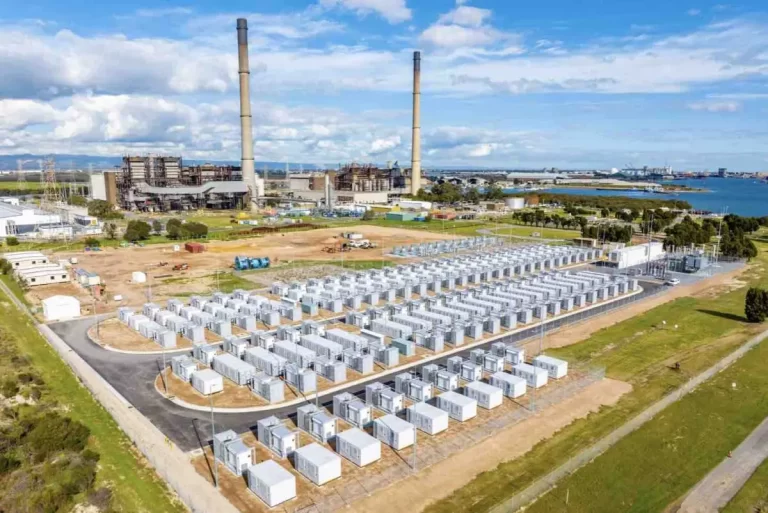
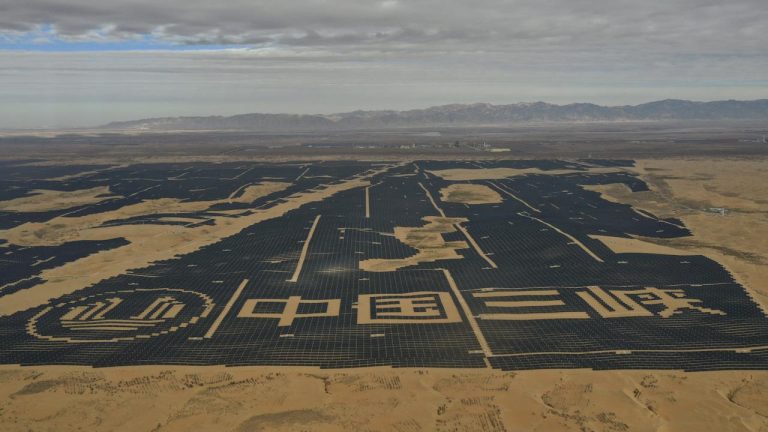
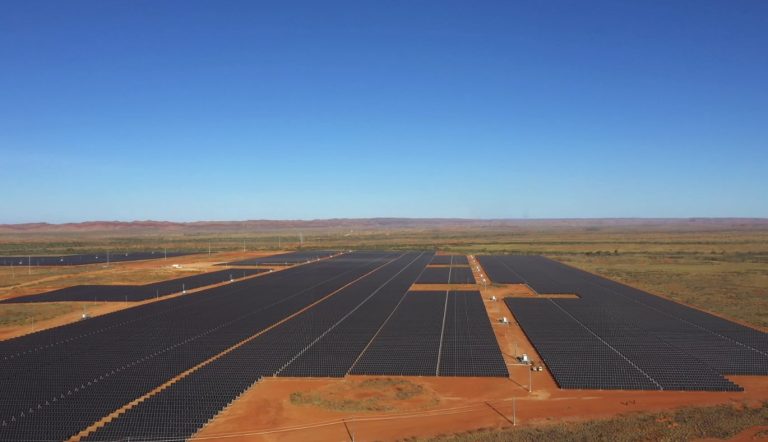
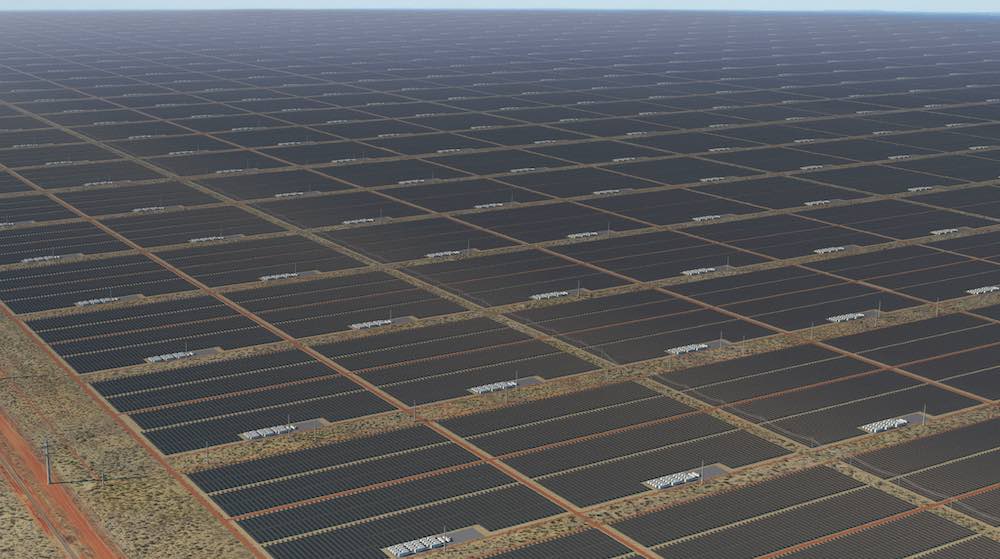
The Muckaty solar scheme envisions the installation of large solar blocks, each generating 250 megawatts (MW), supported by battery storage facilities. Development will proceed in stages as offtake agreements, likely with data centre operators, are established.
Each site within the project is anticipated to take around five years to complete, with a projected operational lifespan of roughly 70 years after commencement, according to the draft terms for an environmental impact statement.
Under the majority ownership of software tycoon Mike Cannon-Brookes, Sun Cable has scaled down the potential development area to slightly over 54,000 hectares within a total of nearly 136,000 hectares, located north of Tennant Creek. The initial planning application for this section of the broader AA PowerLink project was submitted to NT authorities in October of the previous year.
Public Consultation and Environmental Impact
The deadline for public comments is June 12, and these inputs will guide how the NT EPA evaluates the project’s environmental footprint.
Alongside the planned Muckaty solar precinct, which complements the already sanctioned 10 GW solar site at Powell Creek, located a couple of hours north along the Stuart Highway, both projects are set to provide surplus power for the potential Asia PowerLink initiative—a significant transmission line extending to Darwin and possibly a subsea connection to Singapore.
The draft assessment terms mandate evaluations of the project’s impact on at least 13 species of birds and mammals. Furthermore, it requests insights regarding employment opportunities, traffic management strategies, and decommissioning processes. The NT EPA is also interested in community feedback regarding additional concerns and suggestions for mitigating adverse effects.
Environmental and Cultural Considerations
Interestingly, while the NT promotes hydraulic fracturing for gas extraction in the neighbouring Beetaloo shale gas basin, the draft guidelines require the solar project developers to demonstrate how they will minimise greenhouse gas emissions and safeguard groundwater resources.
Specific requests in the draft include providing estimates of the project’s Scope 1 and Scope 2 greenhouse gas emissions, complete with a detailed breakdown by activities, phases, financial years, and over the project’s total lifespan.
The assessment will also consider the possibility of migratory birds confusing solar panels for water sources—a phenomenon known as the ‘lake effect’—alongside potential impacts on Indigenous cultural sites.
Background on Muckaty
Muckaty, once a cattle station that suffered from overgrazing and degradation, was returned to the Muckaty Aboriginal Corporation in 1991. Since then, efforts have focused on restoring the landscape. Initially proposed as a site for Australia’s first radioactive waste storage facility, that plan was eventually abandoned.
Today, Muckaty primarily serves traditional Indigenous purposes, including conservation and the managed protection of resources, alongside low-intensity cattle grazing activities.