Network Tariffs Hinder Commercial Rooftop Solar Adoption
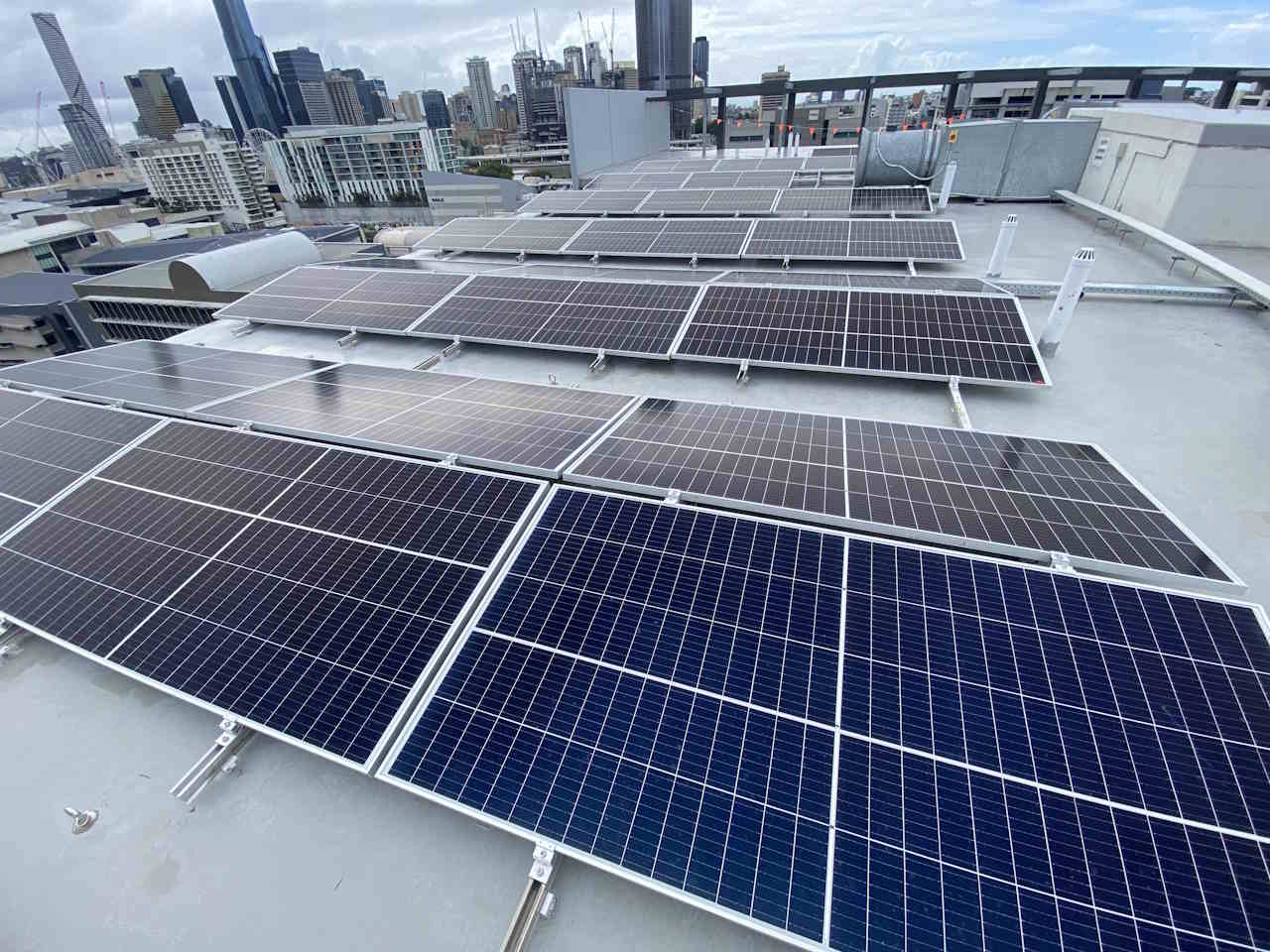
While solar panels have become a familiar feature on residential rooftops, their presence on commercial properties such as warehouses and offices is notably less common. This discrepancy can be attributed to a myriad of complex challenges that need to be addressed.
Recent data reveals that Australian households are producing almost four times the amount of solar energy as their commercial counterparts, with many non-residential buildings lacking solar installations entirely. As outlined by an energy think tank, effectively tapping into the considerable potential for generating and storing solar energy in urban settings hinges on creating targeted incentives for this underserved segment and reforming the interaction between commercial entities and the electricity grid.
Mismatch Between Commercial Energy Use and Solar Adoption
Despite the commercial sector consuming significantly more electricity than residential homes—especially during the day when solar power is plentiful—the adoption of rooftop solar and battery systems in this sector remains vastly inferior. According to research from the Institute for Energy Economics and Financial Analysis, Australia leads the world in household rooftop solar with a remarkable 22GW installed across over four million homes, compared to a mere 5.6GW supplied by businesses.
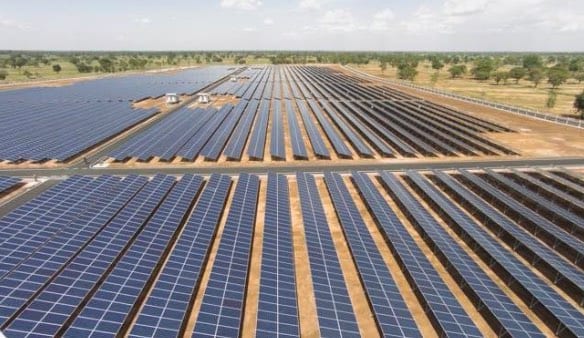
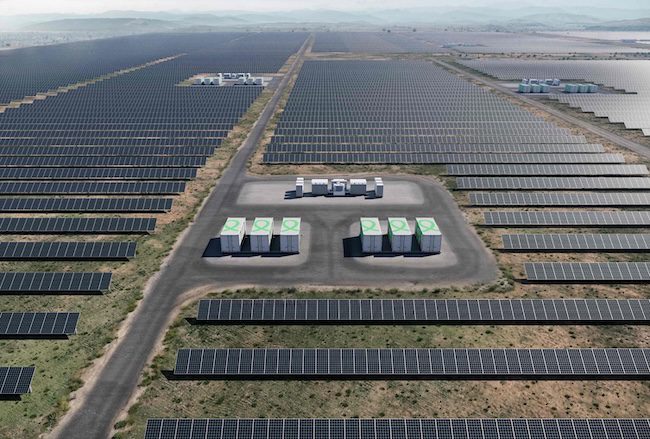
The potential for solar energy generation in commercial and industrial zones is substantial, with estimates suggesting it could reach nearly 40GW, possibly exceeding 80GW if agricultural areas are factored in.
Challenges Faced by Non-Ownership Structures
A significant barrier mirroring the predicament faced by renters in the residential market is also present for many businesses that operate without ownership of their premises. Landlords often lack the motivation to invest in renewable energy infrastructure, given that the primary benefits in terms of lower energy costs largely accrue to tenants. Additionally, because solar and battery systems generally outlast commercial leases, this disincentive is further compounded.
Innovative solutions have been experimented with to tackle this ‘split incentive’ problem, such as allowing property owners to repay installation costs through local council rates. However, the energy think tank highlights that businesses continue to grapple with these obstacles.
Regulatory Hurdles and Network Charges
The challenges don’t end with investment motivations. Commercial and industrial sites frequently find themselves at a disadvantage when it comes to government incentives, which are primarily tailored towards residential applicants or large-scale energy projects. Complications tied to connecting to the electricity grid and the associated costs complicate matters further.
Many businesses, especially those operating across various states, encounter a confusing landscape of demand charges imposed by Australia’s sixteen network providers—entities responsible for power infrastructure such as poles and cables. IEEFA’s lead electricity analyst, Johanna Bowyer, emphasised that network tariffs, which can account for over 40% of energy bills, add a layer of complexity and expense for solar and storage service providers in the commercial and industrial sectors.
“There’s a pressing need to reevaluate and standardise network tariffs,” stated Bowyer.
Future Prospects for Commercial Solar
There’s a clear need to streamline the grid connection process and rethink regulations to ensure that onsite solar and storage solutions are recognised for the valuable grid services they can provide—such as returning stored energy during peak demand periods. Left unaddressed, these barriers could hinder the realisation of the commercial solar and storage potential, leading to higher energy costs for businesses and consumers alike. A shift towards increased rooftop solar and onsite storage could ultimately reduce the need for expensive large-scale renewable infrastructure.
Moreover, ramping up renewable energy generation and storage capacity would facilitate a more timely exit from coal dependency, an essential step for Australia to achieve its emissions reduction targets, including the ambitious goal of 82% renewable energy by 2030. The think tank advocates for a rapid and prioritised approach to energy infrastructure, akin to the urgency seen during the COVID-19 pandemic response.