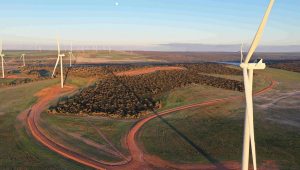
$2 Billion Solar and Battery Project Proposed at Expanded Wind Farm
Synergy, the state-owned utility, has announced an ambitious plan to integrate a $2 billion solar and battery energy storage system with the recently enlarged Warradarge wind farm, which is currently the largest in Western Australia.
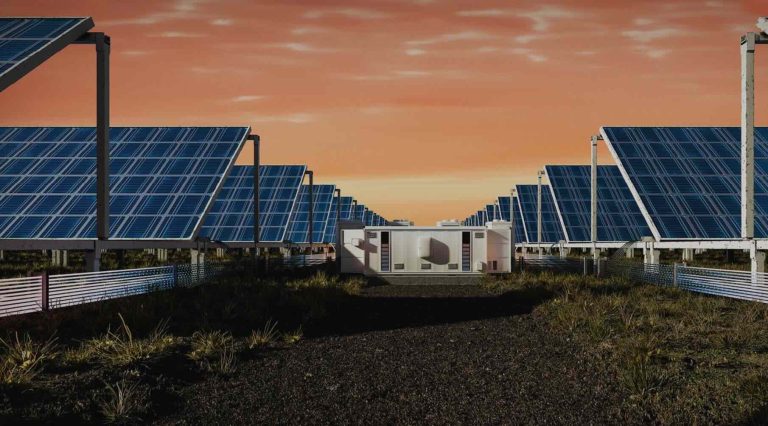
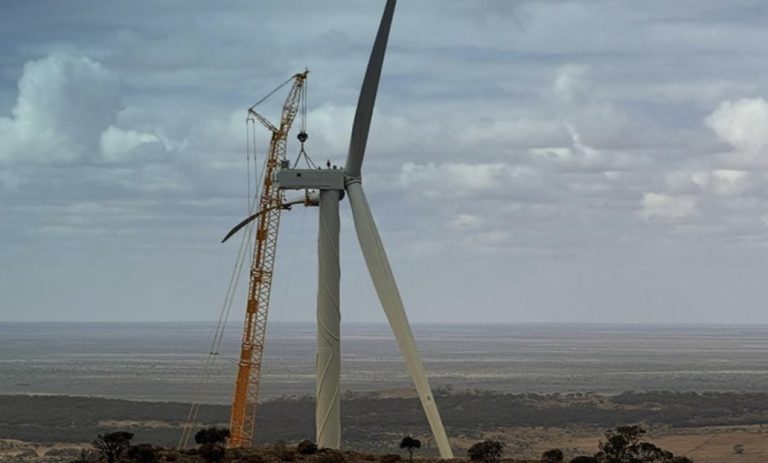
The proposal outlines the construction of a solar facility with a capacity of 500 megawatts (MW) alongside a comparable 500 MW battery energy storage system. This project will be situated within the boundaries of the wind farm, which has recently expanded its capacity from 180 MW to 283 MW by adding an additional 30 turbines.
Utilising Existing Infrastructure
The initiative aims to maximise the use of existing infrastructure, including access roads, underground cabling, and a connection to the main transmission line. According to the proposal, “The Proposal seeks to integrate the Solar Farm and BESS with the existing Wind Farm, leveraging prior land disturbance as well as established access and electrical infrastructure.”
This project is set in the Mid-West region, approximately 200 kilometres north of Perth, an area abundant in wind and solar energy with various existing wind and solar farms, some located together like those at Emu Downs.
Regional Energy Developments
The region is a focal point for new energy developments, including the massive 470 MW Parron Maam Marang project, which has secured financial backing and is poised to be the largest wind farm to commence construction in Australia in over two years. Additionally, construction has already started on the smaller Waddi wind farm.
Currently, the area is served by a 330 kV transmission line. However, the state government has committed funding to the Clean Energy Link – North, a significant transmission upgrade aimed at enhancing the transfer capacity of the network from Perth to Three Springs, located just north of the proposed site.
Importance of Battery Storage
The planning documents submitted to the local Coorow council at the end of last month emphasise that the fluctuating nature of solar generation makes the inclusion of battery energy storage systems (BESS) crucial. This system allows for the electricity generated during peak solar hours to be stored and used when demand arises.
The proposal highlights that “The co‑location of a solar farm and BESS supports grid stability, improves system reliability, and enhances the capacity of the SWIS (South West Interconnected System) in Western Australia to integrate higher levels of renewable energy.” The decision on whether the solar-battery hybrid facility will be AC-coupled or DC-coupled is still under consideration.
Trends in Energy Projects
The combination of solar and battery systems has become the norm for new photovoltaic projects, with standalone solar facilities becoming rare due to ongoing negative pricing throughout the day. New wind farms are also increasingly looking to incorporate battery storage to optimise their output when it’s most needed.
While hybrids of wind, solar, and battery systems are frequently deployed in off-grid configurations, they have yet to gain traction on the main grid. Presently, the only established wind, solar, and battery hybrid system in Australia exists at Kennedy in far-north Queensland.
Nonetheless, the developer Windlab is exploring the potential of this combination for large-scale projects like Bungaban, and companies such as Spark Renewables and Neoen are pursuing similar initiatives in NSW and South Australia, respectively.
Future Development and Ownership
Synergy has indicated that its development division, SynergyRed, will spearhead the asset’s development, but it is anticipated that Bright Energy Investments, the current owner of the Warradarge wind farm, will ultimately build, own, and operate the facility. Bright Energy Investments is primarily owned by Potentia Energy, holding an 80 per cent stake, with Synergy owning the remaining 20 per cent.
The specifics regarding the storage duration of the battery have not been disclosed in the planning documents, and decisions are pending on this aspect.