Rapid Electrification Essential for Achieving 1.5°C Climate Goal, Report Reveals
A recent report highlights the necessity for the world to boost the contribution of electricity to final energy use by nearly 50% within the next nine years. This ambitious target aligns with the “35 by 35” global electrification pledge that is set to be a key focus at the upcoming climate summit in Turkiye next month.
Achieving this goal is crucial for maintaining “the most ambitious climate pathways” towards achieving net zero carbon emissions by 2050 and minimising the chances of exceeding the Paris Agreement’s temperature targets. This insight comes from a report by Climate Resource, which received funding from the Australian government.
The Importance of the 35% Benchmark
The report, unveiled during the Pacific Pre-COP event, states that attaining a global electricity share of 35% in final energy by 2035 is a realistic and necessary goal for aligning global energy systems with efforts to limit warming to 1.5°C. This work builds on a specialised electrification report released by the International Energy Agency (IEA) last month, which was commissioned by Turkiye and Australia.
Chris Bowen, Australia’s Minister for Climate Change and Energy, currently presides over negotiations for COP31, following Australia’s unsuccessful bid to host the summit. Both countries, however, remain committed to the “35 by 35” objective.
Insights from Energy Leaders
Luke Menzel, CEO of the Energy Efficiency Council, highlighted his support for the electrification goal during a media event in Fiji. He remarked on the significant strides made at COP28, where nations committed to ambitious targets for renewables and energy efficiency by 2030. However, he noted the importance of combining these strategies with rapid electrification to maximise the use of clean energy and reduce fossil fuel reliance.
For many, electrification entails a shift from fossil fuels to more efficient electric technologies. In emerging and developing economies, it also signifies gaining access to electricity, thereby enhancing living standards and spurring economic growth.
Current Status of Electricity in Energy Supply
The IEA report indicates that electricity currently accounts for approximately 23% of final energy use worldwide, a figure comparable to Australia. The IEA believes that reaching a 35% share by 2035 is “within striking distance,” with projections showing that it could be cost-effective to increase electrification to about 33% by that time, based on technology costs from 2025.
Nevertheless, the IEA’s findings suggest that without significant accelerations, electrification is likely to fall short of 30% under current policies. This underscores the urgency for nations to expedite their electrification efforts.
Critical Role of Renewable Energy
The Climate Resource report emphasises the need for rapid expansion of renewable electricity generation to reduce the emissions intensity of energy supply. It states that the combination of renewable growth and increased electrification will significantly influence the decline of fossil fuels.
Furthermore, the report asserts that energy efficiency is poised to benefit from electrification due to the reduction in waste typically seen with traditional fossil fuel consumption.
Transport Sector Electrification
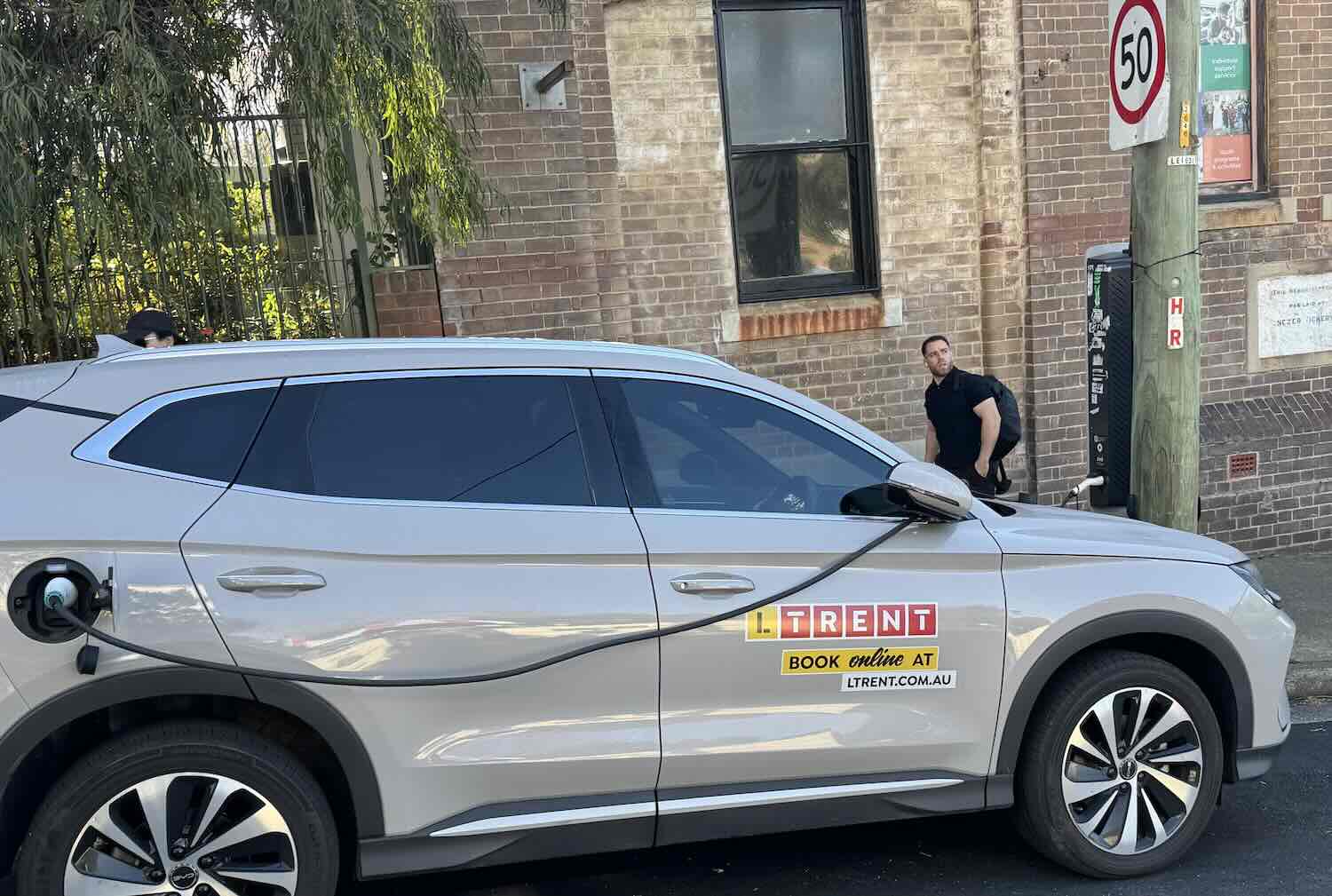
The transport sector is identified as an area ripe for swift electrification, particularly as fuel prices remain high. In Australia, electric vehicles have recently outsold conventional petrol options for two consecutive months, with similar trends observed in European markets.
With road transport accounting for about 20% of global final energy demand yet only around 2% currently electrified, the potential for increased electrification in this robust sector is promising.
Mutually Reinforcing Trends
The rising incorporation of renewable energy into households and businesses enhances the electrification journey, as people switch from gas appliances to electric ones. Setting a target for electrification by 2035, as anticipated at COP31 in Turkiye, would provide countries with a clear benchmark to strive towards.
In a foreword to the IEA report, Minister Bowen declared the clean energy transition to be an “unstoppable” force. He noted that recent global energy challenges have prompted nations to explore ways to bolster energy security while ensuring the affordability and reliability of energy sources.
Bowen concluded that economies powered by clean energy, supported by modern infrastructure and energy storage solutions, represent a sustainable path forward.