SunDrive and SMC Collaborate on Spacecraft Solar Panel Innovation
Two technology pioneers from New South Wales have teamed up to create lightweight and cost-effective solar panels designed for use on spacecraft. Space Machines Company (SMC), based in Botany, and SunDrive Solar from South Sydney announced their partnership on Tuesday, aimed at conducting research and development on solar panels tailored for space applications.
This collaboration merges SunDrive’s innovative copper-metallised solar cell technology with SMC’s proficiency in spacecraft structures, thermal engineering, and integration. The goal is to establish a locally produced source of solar arrays for spacecraft, reducing reliance on imported components.
Addressing Supply Chain Issues
Currently, solar arrays are among the most essential and costly components for any spacecraft, with Australian satellite programs depending heavily on imported space-grade arrays. This reliance poses challenges in cost and availability. However, SMC and SunDrive see an opportunity to manufacture solar arrays that are not only less expensive but also developed locally for spacecraft designed to be built and deployed at scale, thereby bolstering Australia’s proprietary space manufacturing sector.
First Phase and Future Prospects
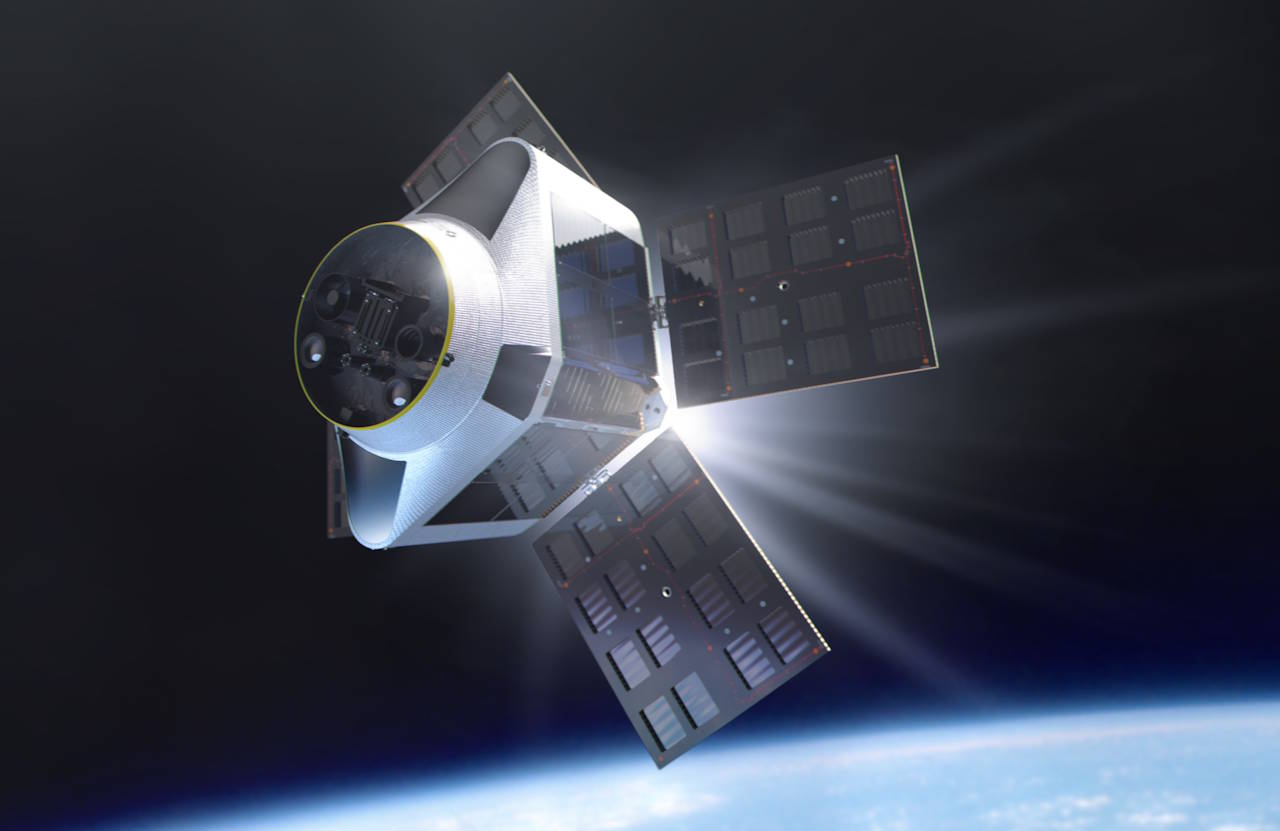
The initial phase of this collaboration is slated to last until April 2027, culminating in the creation of a body-mounted solar panel for SMC’s next-generation Optimus Viper spacecraft, alongside prototype flight-sized panels. Decisions regarding subsequent phases will follow the successful completion of this primary stage, with ambitions potentially extending toward a flight-ready deployable solar array suitable for SMC’s future projects and the broader satellite market.
The body-mounted panel is set to undergo rigorous environmental testing, including thermal-vacuum and vibration assessments, generating vital engineering and performance data needed to advance towards a flight-ready product.
Commercial Collaboration and Technological Advancements
“This collaboration began because two Australian companies recognised a commercial motivation to join forces,” noted Rajat Kulshrestha, co-founder and CEO of Space Machines Company. “Other countries are swiftly securing their space supply chains, and partnerships like this will help Australia build a sustainable capability.”
SunDrive’s exclusive direct-copper plating technology substitutes the commonly used silver in solar panels with copper, a more abundant resource. This shift fosters high-efficiency solar cells that are scalable while depending less on critical materials. The company’s ultra-thin and lightweight copper heterojunction (HJT) cells achieved an impressive 26.41 per cent efficiency in 2022, setting a record.
These features are essential for space components, where each gram of array mass directly influences potential payload. The integration with SMC’s Optimus Viper will mark the first application of this innovative technology in space.
Expert Contributions and Testing
“SunDrive’s copper HJT technology combines the ultra-thin, lightweight, and high-efficiency performance necessary for next-generation spacecraft solar arrays,” stated Vince Allen, co-founder and chief technology officer of SunDrive Solar. “Applying this to SMC’s Optimus Viper programme is a fantastic opportunity to showcase Australian innovation in the challenging environment of Low Earth Orbit.”
In this joint effort, SunDrive will manage the selection of cells, module design, lamination, and electrical characterisation, whereas SMC will oversee substrate design, structural and thermal analysis, assembly, and testing, as well as panel installation on a structural model of the Optimus Viper.
The two companies will collaboratively develop the method to bond solar modules to the panel substrate.
Testing will far exceed the standard for solar cells, given their exposure to one of the most extreme environments – space. They must withstand the violent conditions of a space launch. “A solar panel must endure launch vibrations, vacuum environments, and extreme thermal cycling while remaining as lightweight as possible,” explained Ian Partis, SMC’s vice president of engineering. “These are exactly the issues our structural, thermal, and testing teams tackle every day.”