Queensland: A Coal State Thriving in Renewables Amid Policy Changes
Since its election in 2024, the Queensland LNP government has endeavoured to present itself as a staunch supporter of coal and a sceptic of climate change. Their actions include the dismantling of the renewable energy target, halting emission reduction initiatives, and cancelling various wind energy projects, while committing to maintain coal-fired power plants until at least the 2050s. The government also rejected plans for electric buses, opting for 630 diesel buses instead.
This stance has drawn sharp criticism, with federal environment minister Murray Watt recently accusing the Queensland administration of possessing an “ideological hatred of clean and cheap energy.” This criticism followed claims by the Smart Energy Council that the LNP was intentionally undermining large-scale renewable projects.
Renewables Industry Resilient
Contrary to the LNP’s actions, Queensland’s renewable energy sector continues to thrive. With the exception of Western Australia—which is actively increasing its renewable development under a Labor government aiming to phase out coal by 2030—Queensland remains a leader in wind and solar energy in Australia.
In recent statistics, Queensland has surpassed New South Wales (NSW) in terms of renewable energy contribution, with 38.4% of its energy needs met through renewables over the past year, compared to NSW’s 38.2%, according to Open Electricity. Forecasts for 2026 show Queensland leading with 38% compared to 34.8% from NSW. Just a year prior, Queensland lagged at 33.2% to NSW’s 37%.
Challenges Faced by NSW
Despite its achievements, NSW faces significant hurdles. David Dixon from Rystad Energy highlights that the state has been unable to initiate any new wind farm constructions since the Uungula project began in 2024. The situation in winter is particularly dire as solar energy generation dips, leading to challenges in replacing lost coal capacity from major facilities like Eraring, which has postponed its closure from 2025 to 2029.
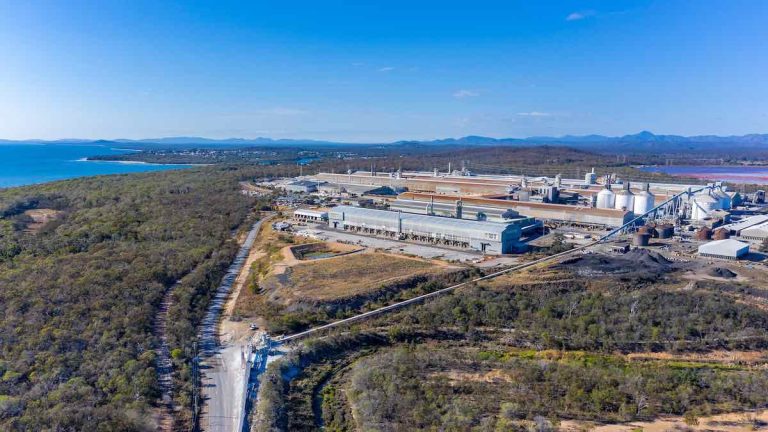
In contrast, Queensland has been actively pursuing large-scale renewable projects, with contracts signed with Rio Tinto to supply energy for its smelters in Gladstone, where plans are underway to shut down an outdated coal generator by 2029, independent of government policies.
Renewable Projects Progressing
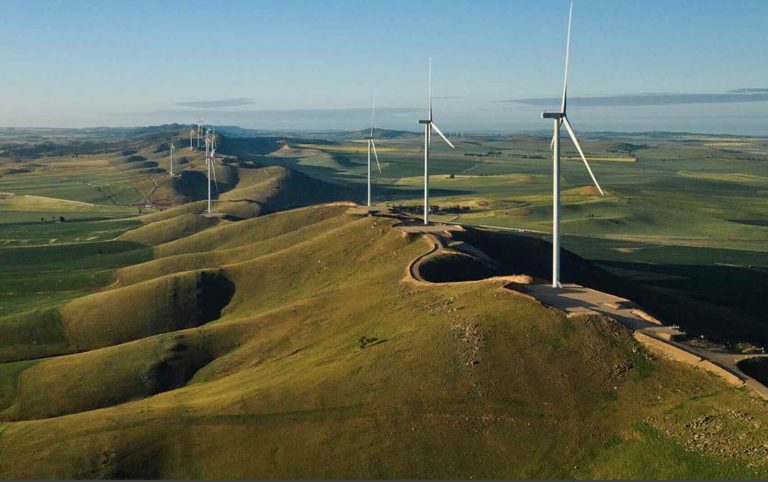
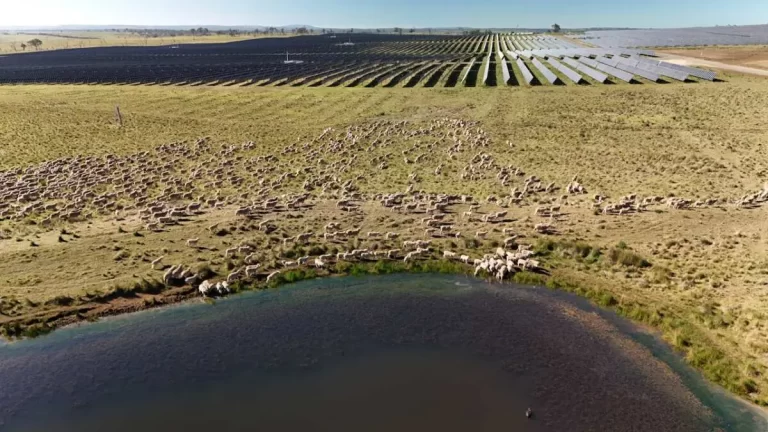
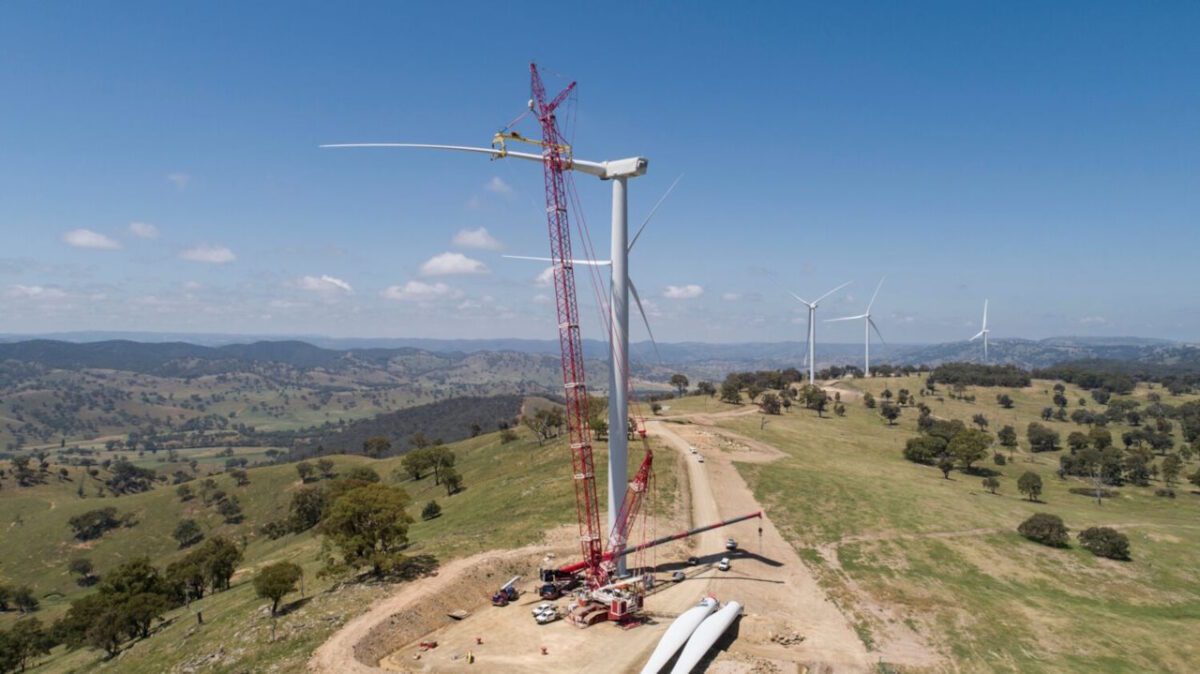
Recent developments include the 1.4 gigawatt Bungaban wind project, which has received necessary environmental approvals, alongside the ambitious 1.1 GW Upper Calliope solar project that is currently navigating the approval process. Additional Power Purchase Agreements (PPAs) for various projects, including the 600 MW Jackson North and 408 MW Gawara Baya wind projects, have recently been finalised, signifying ongoing investment in Queensland’s renewable energy scene.
While Queensland’s state-owned utilities may have reduced their equity investments, they continue to write PPAs for renewable energy. Conversely, NSW’s privately-owned utilities, despite their commitments to phase out coal, have stalled in writing new agreements and developing fresh renewable projects. This has undermined the efficiency of the Capacity Investment Scheme intended to aid project viability.
Future Implications for State Energy Policies
The lack of support from Queensland’s government raises questions about the potential scope for new renewable constructions, especially given their ambitious target of achieving 80% renewable energy by 2035. The electoral landscape suggests that similar situations may unfold in Victoria following the upcoming state elections, with NSW also facing polls in March.
As evidenced by trends in the US, renewable energy investments are gaining momentum regardless of political resistance—prompting questions about the effectiveness of energy policy ideologies. As Rio Tinto’s operations reveal, economics, rather than ideology, often dictate energy choices.
Murray Watt highlighted this shift, stating: “Renewable energy is the cheapest and cleanest form of energy, and these 150 projects are creating jobs, unlocking investment and reducing emissions.” He referenced the Bungaban project as a testament to this transition, demonstrating the potential for industrial facilities such as the Boyne aluminium smelter to shift from coal dependency to more economical and eco-friendly energy sources.
For updates on clean energy developments, you can subscribe to a daily newsletter, ensuring you stay informed on progress in the sector.