Renewable Energy Breaks Records in Australia Despite Drought
May has marked a significant milestone in renewable energy production across three Australian states, with new figures indicating an exceptional output as solar and wind power continues to drive down electricity spot prices, while batteries help mitigate price fluctuations.
According to Rystad Energy, Australia’s large-scale solar and wind facilities produced a remarkable 4.6 terawatt-hours (TWh) in May, reflecting a 10% increase from the 4.2 TWh achieved in the same month of the previous year.
Noteworthy Records Amid Challenges
Despite May 2026 presenting one of the worst wind and solar droughts on Australia’s primary grid since 2022, four new records were established. Victoria saw wind generation reach 1,079 gigawatt-hours (GWh) for the month, while Queensland contributed 625 GWh. Additionally, utility PV generation in New South Wales was 549 GWh, closely followed by Queensland with 538 GWh.
On a state level, Victoria emerged as the leader in combined utility solar and wind generation, totalling an impressive 1,218 GWh, which included 139 GWh from utility PV and 1,079 GWh from wind energy.
Top Wind and Solar Performers
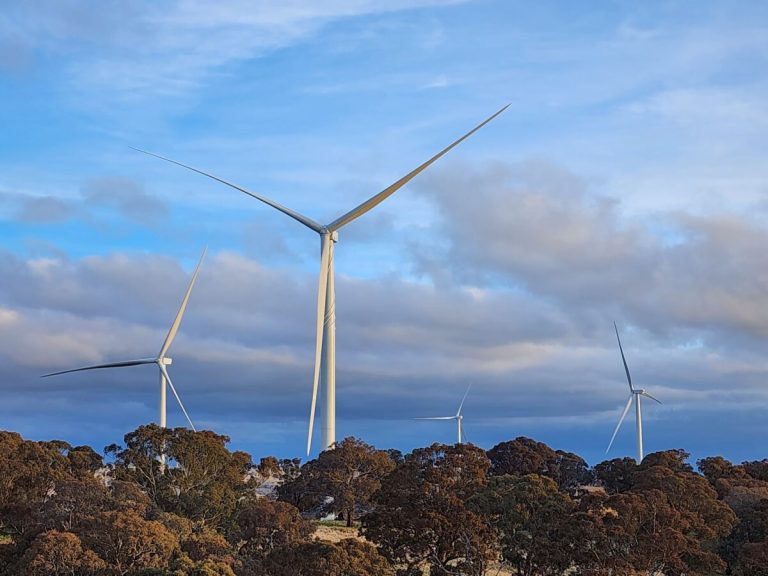
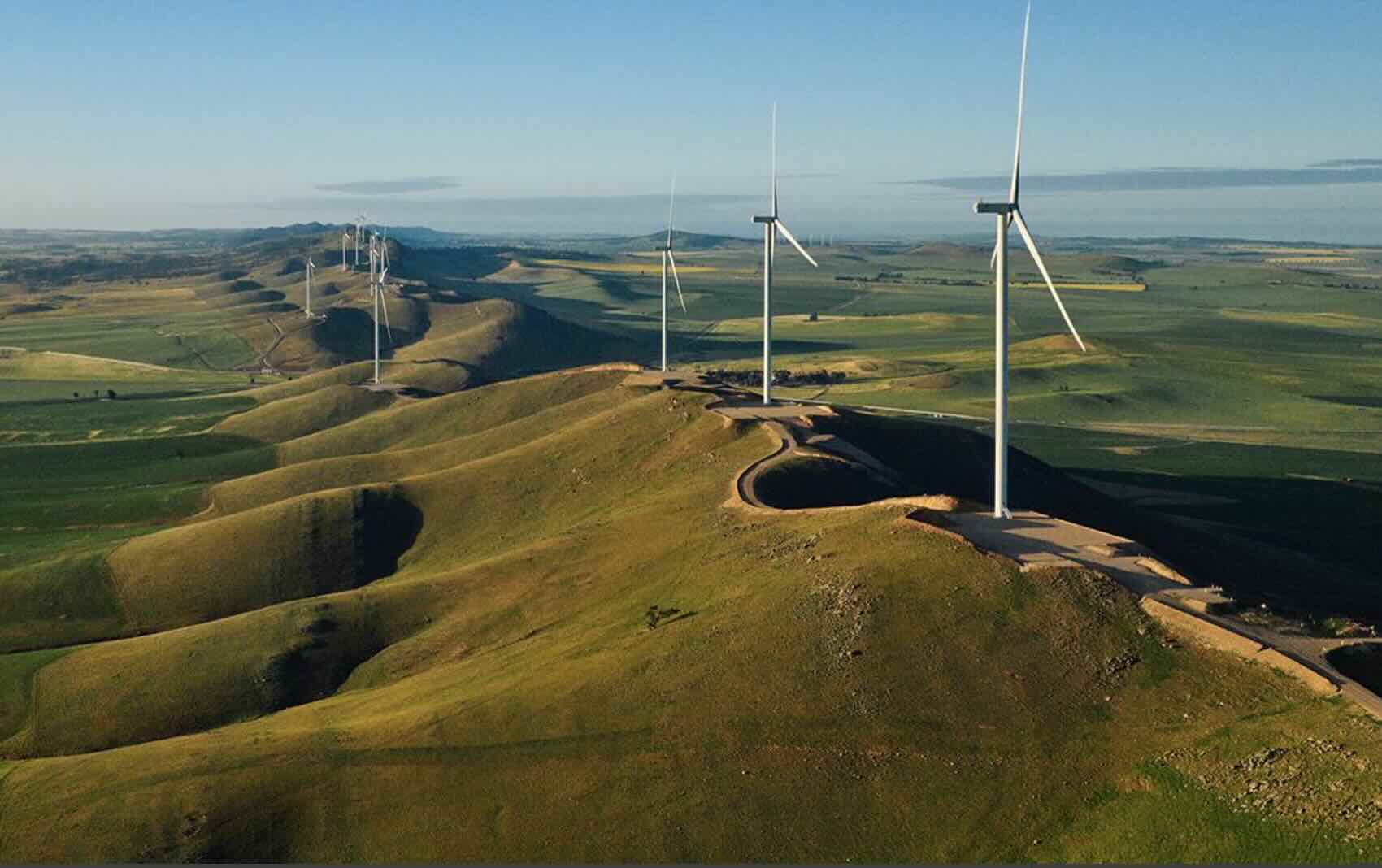
In terms of wind performance, Queensland and Western Australia dominated, with the standout project being the 175 megawatt (MW) White Rock Wind Farm in Glen Innes, NSW, boasting a capacity factor of 45.6%. Other notable wind assets included the 55 MW Mumbida wind farm, co-owned by Synergy, at 44.6% CF, and APA Group’s Badgingarra wind farm at 43.6% CF, both located in Western Australia.
When examining large-scale solar projects, the best performers were predominantly in Queensland. Highlighted assets included the 100 MW Haughton Stage 1 project in Burdekin Shire, with a 24.3% AC capacity factor, the 110 MW Moura solar farm in Banana Shire at 24.0% AC CF, and Genex Power’s 50 MW Kidston solar farm at 23.0% AC CF.
The Role of Battery Storage in Market Stability
Rystad Energy’s senior analyst, David Dixon, noted that May also stood out for the continuing stabilising effect of large-scale battery storage on the energy market’s volatility. He shared insights on LinkedIn, mentioning a significant drop in intraday spreads, with the average two-hour intraday spread falling below AU$106 per megawatt-hour (MWh) across all states within the National Electricity Market (NEM) and the Wholesale Electricity Market (WEM).
Furthermore, spot prices remained relatively low during this period, with prices in all NEM states dipping below AU$100/MWh. This situation hasn’t been observed in May since 2020 during the COVID pandemic.
For those keen on staying updated with the latest developments in clean energy, over 29,000 subscribers already receive daily news directly in their inboxes. Subscription is free!
If you’re interested in supporting independent media and ensuring the dissemination of accurate information, consider making a one-off donation or becoming a regular supporter of Renew Economy.