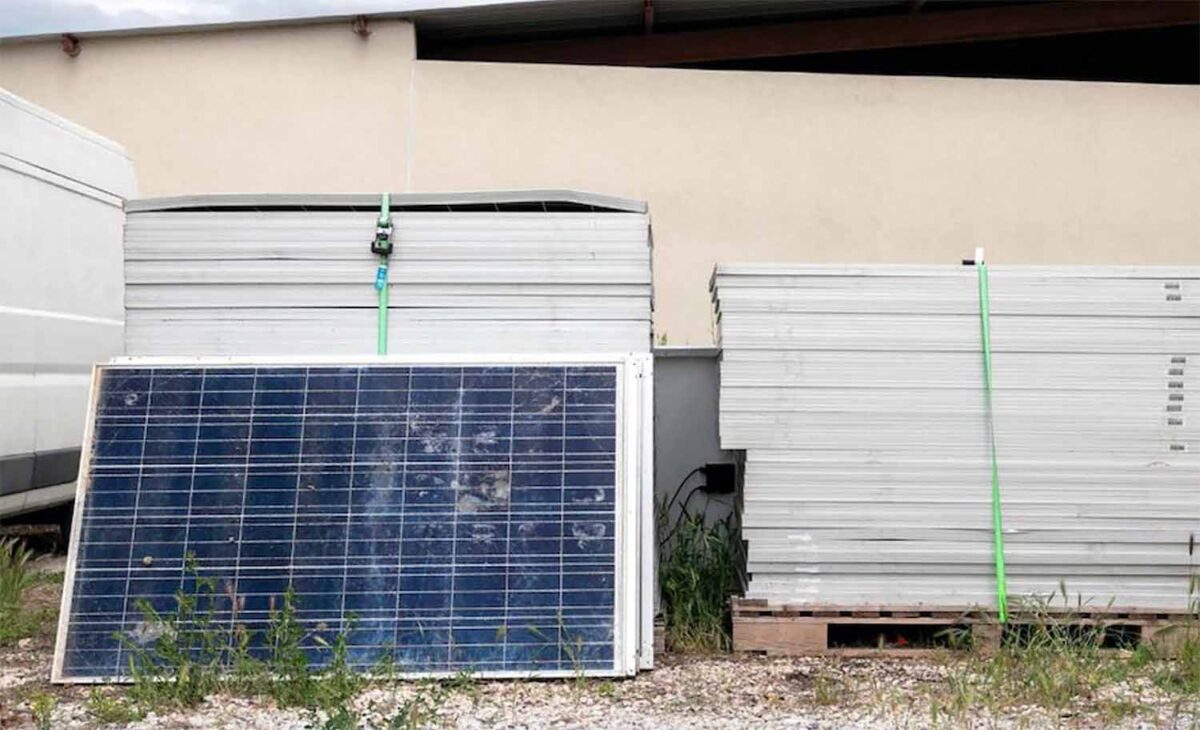
Expert Proposes Retirement Fee to Reduce Early Solar Panel Disposal
A prominent solar expert in Australia is advocating for end-users, including households with rooftop solar, to bear part of the expenses related to a compulsory national recycling scheme for solar panels. This initiative aims to ensure photovoltaic (PV) modules are not disposed of before their intended lifespan.
Dr Rong Deng, a senior lecturer at UNSW’s School of Photovoltaic and Renewable Energy Engineering, was among the initial experts to testify before a recently launched federal Parliamentary Inquiry. The Inquiry aims to devise an effective national solar stewardship scheme.
Need for a National Solar Recycling Initiative
The call for a mandatory scheme to oversee the reuse and recycling of solar technology in Australia has become increasingly urgent. Despite the efforts of industry groups, such as the Smart Energy Council (SEC), the establishment of a national recycling framework has long been overdue. With the amount of valuable waste growing, the necessity to manage this effectively is becoming critical.
This inquiry was expected to coincide with a $25.7 million pilot programme the federal government planned to launch in July. However, it has been postponed due to a legal issue concerning the selection process for a scheme administrator, much to the dismay of the SEC and industry stakeholders.
Alternative Views on Recycling Fees
In her testimony on Thursday, Dr Deng expressed her reservations regarding the NSW government’s current model, which proposes that retailers and project developers should pay a mandatory recycling fee when solar panels are installed. “I believe a small, transparent end-of-life charge should be implemented when decisions about retirement are made,” she stated to the standing committee, including independent MPs Zali Steggall and Nicolette Boele.
Dr Deng highlighted the concerning trend of functional residential solar panels being removed prematurely, sometimes after just two years, despite their design to last upwards of 25 years. She believes that removing the current lack of recycling charges could discourage this early retirement and help keep operational panels in use for longer.
Challenges of Reusing Solar Panels
Addressing the question of what happens to discarded solar panels that are still serviceable is a complex aspect of solar stewardship. A pilot programme led by the SEC in Queensland revealed that the average age of decommissioned panels is only eight years, while many still have the potential to function effectively for an additional 10 to 15 years.
While reusing panels is an obvious solution, it poses challenges. Discarded panels must be handled delicately throughout the decommissioning and transportation processes to prevent damage, followed by thorough electrical testing. This ensures consumer confidence in their safety for further use.
Darren Johannesen, the SEC’s executive general manager of sustainability, has emphasised that many younger panels contribute significantly to waste as households opt to upgrade their rooftop systems amid declining technology costs and increased electrification. This trend is expected to accelerate as federal home battery rebate schemes encourage the replacement of older systems.
Shifting Costs and Consumer Impact
While the SEC supports a structure that would impose the recycling stewardship fee on installers and developers to be ultimately passed onto consumers through slightly higher system prices, Dr Deng argues that it is fairer to impose a modest fee at the end of the panel’s lifecycle. She reasoned that after utilising a solar system for decades, households would have already gained their value from the asset, making it sensible for them to contribute a nominal fee for responsible disposal.
Dr Deng noted, “If we impose recycling fees on manufacturers or brand owners, that cost will eventually be transferred to consumers along with additional overheads.” She believes a small direct charge would be the most cost-effective way to fund the recycling initiative.
Dr Deng plan to formalise this argument in her submission to the NSW consultation on the proposed scheme. She pointed out, “We’ve witnessed many panels being retired prematurely, although they’re functioning well. It’s a real challenge to find a market for reuse, thus keeping these panels installed longer is essential.”
She added, “If a small fee is levied when retirement decisions are made, we could encourage users to retain functioning panels for longer, effectively mitigating the waste issue from the outset.”
Dr Deng concluded, “When customers foot the bill for end-of-life costs after having already benefitted from their solar systems, it’s reasonable to suggest they shouldn’t be burdened with excessive upfront expenses.”