Ausgrid’s Community Power Network: Solar Rooftops and Community Batteries
Ausgrid has significantly restructured its sandbox trial, aimed at allowing entire communities to utilise the energy produced by local rooftop solar panels, alongside battery storage linked to the distribution grid. The company has made it clear that if the project does not succeed, its shareholders will bear the financial repercussions.
The newly introduced Community Power Network trial aims to support the installation of up to 70 megawatts (MW) of additional rooftop solar alongside 130 megawatt-hours (MWh) of battery storage within the Botany-Mascot area of Sydney and Charmhaven located on the Central Coast.
Encouraging Solar Adoption
According to Ausgrid CEO Marc England, the trial is designed to enable those with solar installations to earn greater rewards for excess electricity contributed back to the community, thereby incentivising more homes and businesses to adopt solar energy solutions.
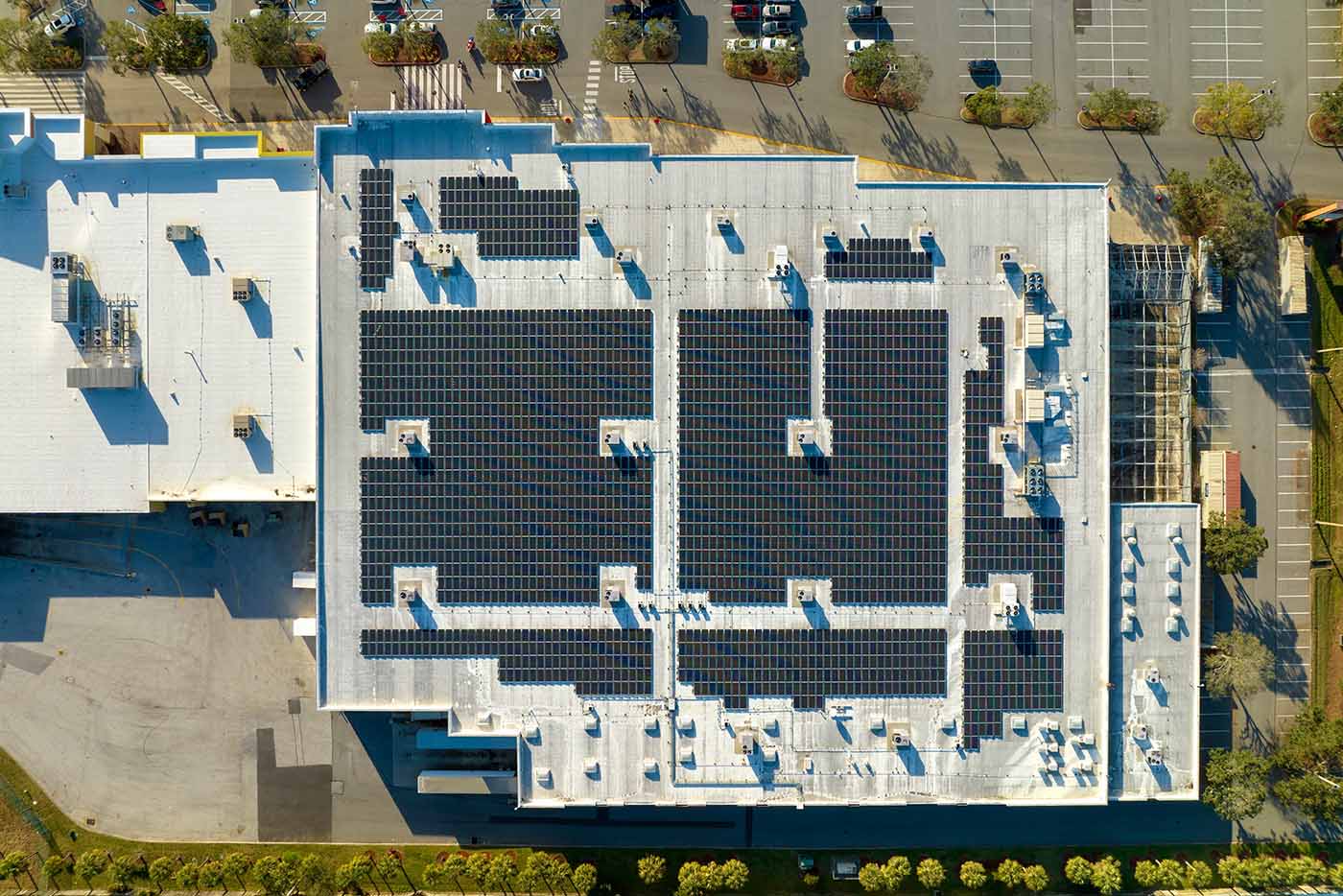
Most of the solar installations will take place on the often underutilised roofs of larger buildings, such as warehouses, shopping centres, and schools. A synchronized network of community-scale batteries will help store excess power generated during the day and provide it locally during peak consumption hours in the evening.
Approximately 32,000 local residents are expected to benefit from the value created, including those who rent or reside in apartments, which restricts their ability to install solar systems or battery storage.
Addressing Solar Challenges for Businesses
The initiative seeks to tackle a significant barrier to the adoption of commercial rooftop solar. While numerous businesses have motivation to install sufficient panels to meet their own daytime energy demands, there is minimal financial incentive for them to maximise the usage of large rooftop areas and export any excess energy generated.
Ausgrid’s Steve Lewis explained that current feed-in tariffs are around two or three cents, making it unfeasible for commercial enterprises. He stated, “There’s no incentive to put on any more power than what you can consume yourself. So we want to change that.”
Contracts for solar supply will be determined through reverse auctions, where generators propose the prices they are willing to sell their electricity at. Lewis mentioned that Ausgrid anticipates a viable price of about eight pence per kilowatt-hour.
They project that one additional megawatt of commercial solar could yield profits of up to £440,000 over the lifespan of the solar system, which spans 16 years.
Long-Term Agreements for Stability
Another hurdle for businesses considering further solar installations is the common short duration of commercial leases. A warehouse owner may install solar energy solutions for a tenant with high electricity needs, only to later discover that the subsequent tenant consumes significantly less power.
Under the Community Power Network, commercial rooftop owners will receive power purchase agreements for a length of 16 years, assuring them a buyer for any surplus energy their tenants do not utilise.
Lewis said, “It’s not a high return, but it’s fixed and it’s guaranteed. So then they can say, right, fill the roof up.” Should a tenant change and no longer require power, owners can easily redirect any excess energy to the CPN.
Optimising Community Energy Storage
This project anticipates generating revenue by purchasing or storing inexpensive solar energy during the day in community batteries and reselling it during peak demand periods when prices are higher. Ausgrid notes that the batteries will also be strategically positioned and managed to alleviate stress on specific segments of the local network.
In the areas covered by Ausgrid, it is projected that peak demand on participating zone substations could decrease by about 20 per cent. This reduction could pave the way for more electric vehicle chargers, electrified businesses, and significant customers without necessitating immediate expansion of network infrastructure.
Post-expenses, with Ausgrid’s regulated return accounted for, Lewis indicated that the remaining value would be disseminated to customers. Solar energy owners would see enhanced payouts for their exported energy, and other residents and businesses in the Community Power Network, including renters and tenants without solar installations, could expect an annual profit share, estimated at £150 to £200 for those without solar.
Funding and Future Plans
Initially, Ausgrid intended to recover £72.8 million of its costs from its wider customer pool, implying that a significant portion of the trial’s financing would come from electricity bills. However, this plan met with backlash from retailers, energy companies, and consumer advocates, who expressed concerns that permitting a regulated network monopoly to manage batteries, procure solar energy, and trade electricity might jeopardise competitive markets.
With the AER stating it could not lift the rule allowing cost recovery, Ausgrid is now pursuing alternative funding, confirming that its shareholders will absorb the financial risks associated with the trial. The company plans a total investment of approximately £120 million, with an anticipated regulated return of around six per cent. The project has also secured £13.2 million in funding from the Australian Renewable Energy Agency (Arena).
Lewis noted, “If the whole thing goes sideways, it’s Ausgrid shareholders, not Ausgrid customers, who end up wearing that problem.” However, the AER has indicated that Ausgrid may seek funding for the trial in its forthcoming regulatory transition.
Promoting Competitive Models
Another significant modification approved by the AER involves the addition of a third region in Caringbah to foster competition. Ausgrid plans to release a spatial map shortly, detailing where the local network can accommodate more solar and battery installations, potentially down to individual street levels. However, they will not establish their own Community Power Network in Caringbah; retailers, aggregators, and battery companies will have the opportunity to utilise this data to explore varying commercial models.
Lewis expressed, “Anyone can try a different model.” A potential challenge for the project lies in the ongoing role of electricity retailers, who will oversee customer billing and solar exports. Ausgrid is keen for retailers to directly pass the increased solar feed-in prices onto consumers, but it cannot assure that they will do so. The annual profit share could be distributed via retailers’ bills or directly to customers.
To ensure transparency, Lewis stated that Ausgrid would clearly communicate with participating retailers that the savings ought to be transferred to customers. “We don’t want to see a world where we’re giving you eight pence and you’re only giving four pence to the customer,” he added.