Solar Sharer: A Costly Energy Initiative Gone Wrong
What initially appeared to be an innovative energy initiative has devolved into a significant disappointment, with the Solar Sharer scheme now being seen as a costly failure. This has resulted in consumers bearing the brunt of the shortcomings, despite the Australian Energy Regulator’s approval of the programme.
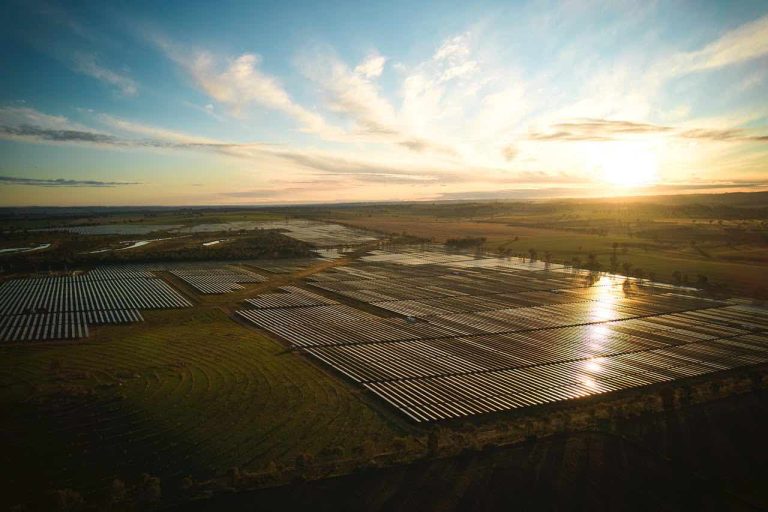
Australia’s abundant residential rooftop solar installations often lead to excess electricity on the national grid during midday, causing wholesale electricity prices to plummet, occasionally hitting zero or even negative figures. When federal energy minister Chris Bowen introduced the Solar Sharer scheme back in November, which mandated that electricity providers in New South Wales, South Australia, and South-East Queensland offer three hours of free electricity from 11am to 2pm starting July 1, it seemed like a promising idea. The intention was to encourage consumers to use energy during these hours, thereby reducing overall demand later in the day when prices typically rise. This initiative aimed to ensure that even those without solar panels, such as renters or apartment dwellers, could benefit from the transition to renewable energy.
The Dominance of Retailers
The electricity market is heavily influenced by the three major retailers: AGL, Energy Australia, and Origin, who also operate power generation stations and are referred to as “gentailers.” However, a recent investigation into the pricing schedules on the government’s Energy Made Easy platform reveals that Solar Sharer rates are the most expensive available for households.
All electricity retailers within the Ausgrid network, which encompasses the eastern part of Sydney, the Central Coast, and the Hunter region, display similar Solar Sharer pricing structures. Outside the three free hours, consumers are charged a staggering 63.69 cents per kWh during peak times, and 27.56 cents during off-peak hours, with a daily supply fee of 176.41 cents. This price plan has been sanctioned by the Australian Energy Regulator.
Comparative Costs
For instance, under AGL’s Solar Sharer scheme, a household in the Ausgrid network consuming an average of 21.6 kWh per day would incur an annual bill of $3,270. In contrast, opting for the Residential Smart Saver plan would result in an annual cost of merely $2,900, with lower supply and usage rates – making Solar Sharer a less viable option.
In Brisbane, while AGL’s Solar Sharer pricing is slightly lower, the total cost for a high-consuming household would still reach $3,170, ranking it as the most expensive among AGL’s plans. Meanwhile, Energy Australia failed to provide a Solar Sharer offer by the required deadline, yet was not penalised. They have since negotiated an extension, introducing their pricing information just beyond the initial timeline.
Diverse Retail Options
For similar consumption levels on the Ausgrid network, Energy Australia’s Solar Sharer rate also tallies up to $3,270, whereas their Flexi Plan offers a more affordable annual rate of $2,800. Origin presents its competitive pricing with the Affinity Variable ePlus Ongoing plan, where costs would round off at $2,870 yearly. Meanwhile, Red Energy, a government-owned entity, undercuts these prices with a total annual cost of $2,910.
Experts have voiced concerns regarding the Solar Sharer initiative. Ty Christopher, who directs Energy Futures at the University of Wollongong and brings 40 years of industry experience, notes that, although the concept was commendable, it fell victim to exploitation by profit-driven gentailers and retailers. “It has unfortunately morphed into a more expensive option for consumers, rather than yielding savings on bills, all under the scrutiny of the Australian Energy Regulator, which has failed to protect consumer interests,” he commented.
While it might still benefit those with substantial battery storage systems capable of being fully charged in the allotted three hours, the Solar Sharer scheme’s appeal diminishes for tenants and those residing in apartments, the very demographics it was designed to assist.
What started as an admirable initiative has culminated in what many now call the “Solar Shocker,” all of which has been sanctioned by the energy regulator.
Gavin Gilchrist leads Inner West Community Energy Inc in Sydney.