Testing Rooftop Solar Systems to Ensure Grid Stability in South Australia
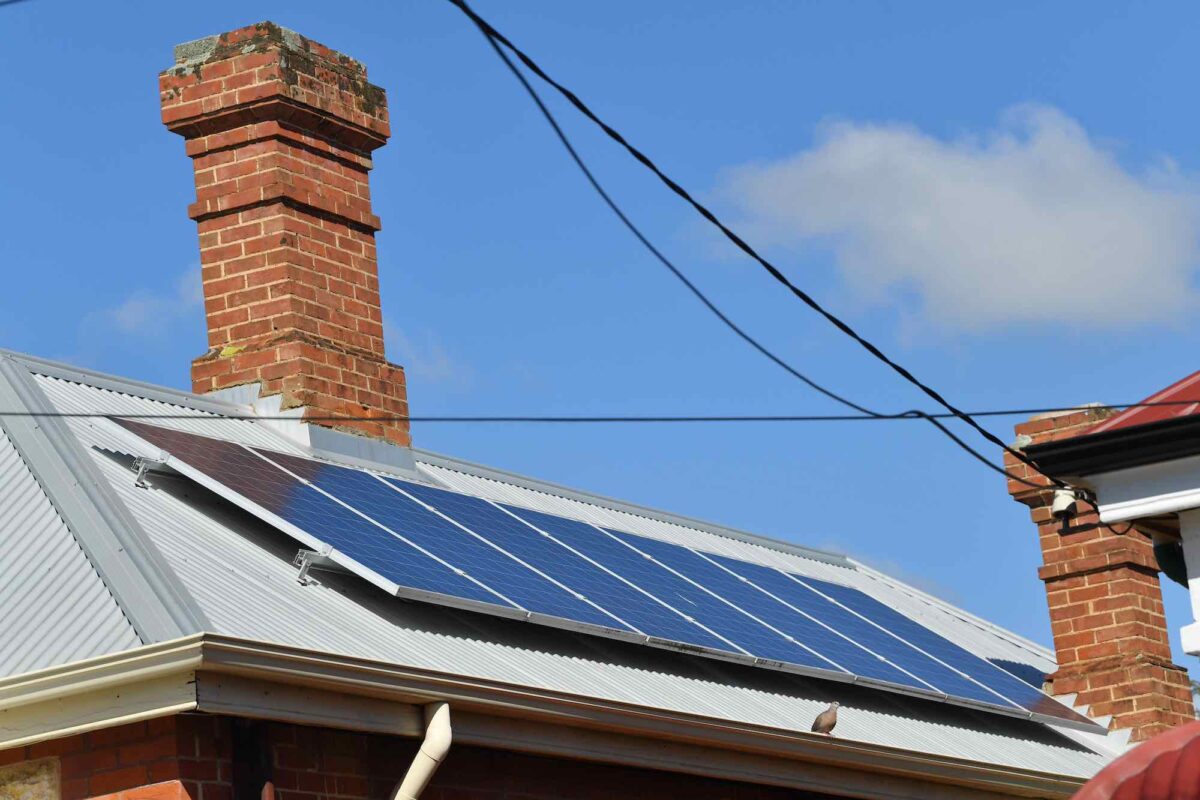
On Tuesday, approximately 100,000 rooftop solar installations in South Australia will be temporarily deactivated for up to an hour. This action is part of a test conducted by the local distribution network operator, SA Power Networks, which is implementing its backstop system designed to safeguard the grid.
The annual exercise is likened to a “fire drill for the grid,” with its testing frequency outpacing the number of times it has been needed in actual scenarios.
Pioneering Renewable Energy Utilisation
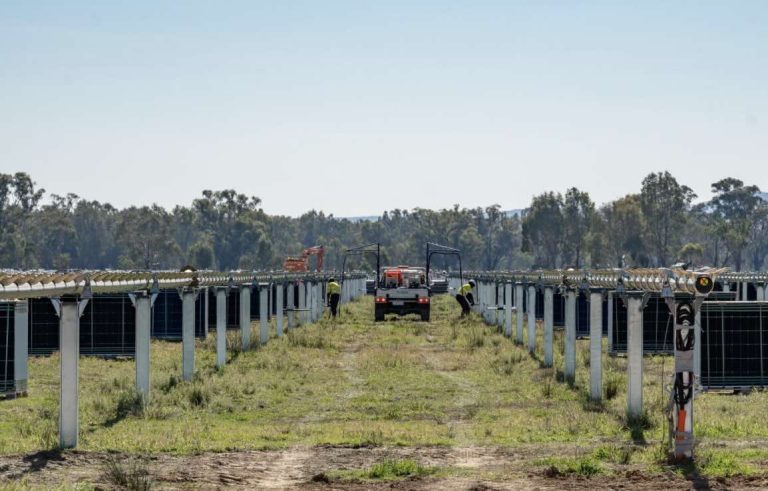
South Australia is at the forefront of embracing wind and solar energy, particularly in rooftop photovoltaic systems. The energy generated by these solar installations on residential and commercial properties frequently surpasses state demand, resulting in “negative” demand on the local grid.
In the past 12 to 18 months, challenges arising from this excess generation have been alleviated by a surge in home battery installations, encouraged by the federal battery rebate. Additionally, the increase in grid-scale batteries has enabled the absorption of surplus solar energy, while the rising use of electric vehicles and appliances has created new energy demand.
Innovative Approaches to Grid Management
SA Power Networks has been exploring various strategies, including flexible imports and exports, along with creating tariffs that incentivise households to adapt during challenging situations. Although the capability to remotely switch off rooftop solar systems is viewed as a somewhat drastic measure, it remains a critical element for the Australian Energy Market Operator. This capability is part of the ongoing adaptation to the shifting landscape of grid management amid the transition from fossil fuels to renewable energy sources.
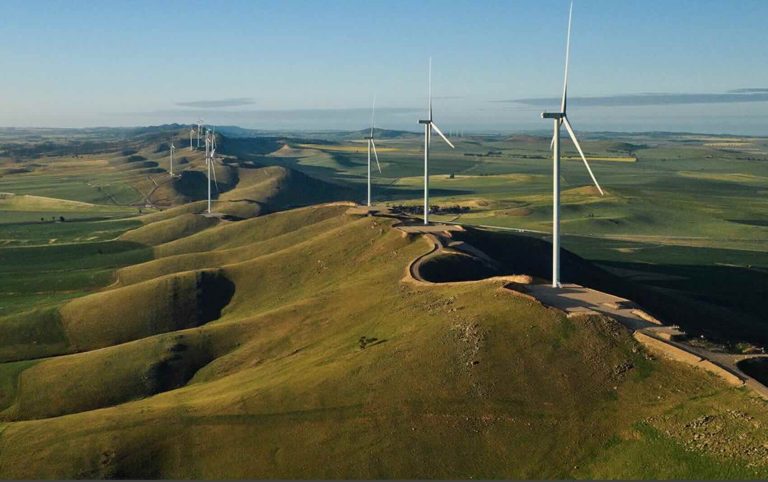
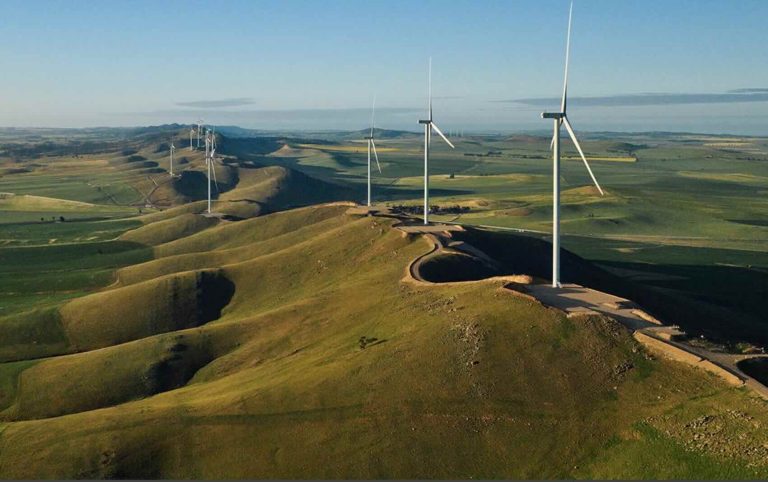
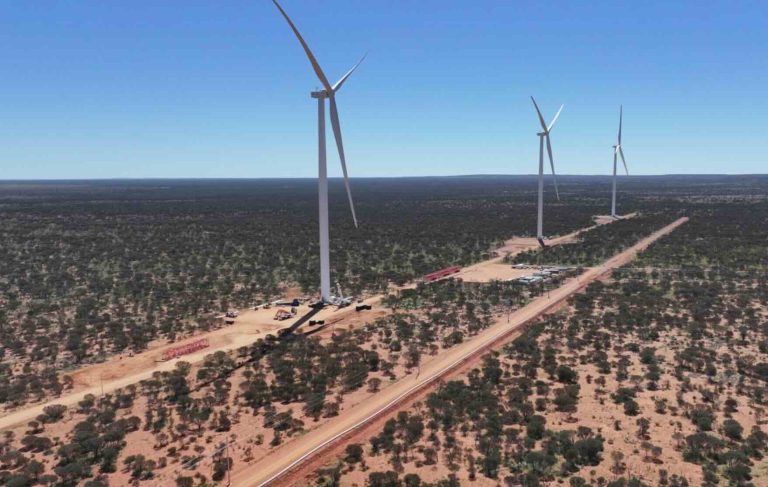
Currently, South Australia generates about 75 per cent of its annual electricity from wind and solar, holding the highest ratio globally for a grid of its size, with a goal of achieving 100 per cent “net” renewables by the end of 2027.
Importance of Compliance in Solar Management
A statement from SA Power Networks emphasised the significance of being able to temporarily limit rooftop solar generation to ensure system security, particularly in maintaining the delicate balance between electricity supply and demand.
“In South Australia, maintaining that balance can be quite challenging due to our high rooftop solar per capita,” the statement noted. “When solar exports are excessive and demand is minimal, the grid’s stability can be threatened. While we’re implementing various innovative solutions to tackle this, we must be ready for unexpected scenarios that may jeopardise grid integrity.”
The testing process aims to verify that solar systems installed after September 2020 meet compliance standards and that third-party agents—referred to as Relevant Agents—can promptly disconnect and reconnect systems as needed.
“Should there be any issues with compliance or responsiveness, more drastic measures may be required in emergencies. This test is crucial to ensure we can depend on the capabilities of Smarter Homes,” the statement added.
Previous Instances of Solar Shutdowns
A significant instance of rooftop solar shutdowns occurred in November 2022 when a harsh storm disrupted interstate transmission connections, isolating the South Australia grid for nearly a week. This situation was effectively managed, allowing the state to achieve solar and wind energy penetration rates of up to 91 per cent. However, the Australian Energy Market Operator (AEMO) had to control the amount of rooftop solar energy produced during peak daylight hours since the option to export surplus solar energy was unavailable.
“If AEMO identifies a risk to system security and has already utilised all other available measures, it can instruct SA Power Networks to heighten operational demand,” noted SAPN. “The quickest method to achieve this is to momentarily decrease rooftop solar generation. Failing to take this action could result in widespread power outages.”
According to SAPN, the outages will impact about 100,000 customers, with disruptions expected to last less than one hour, leading to an average loss of about 1.5 kWh in energy generation.