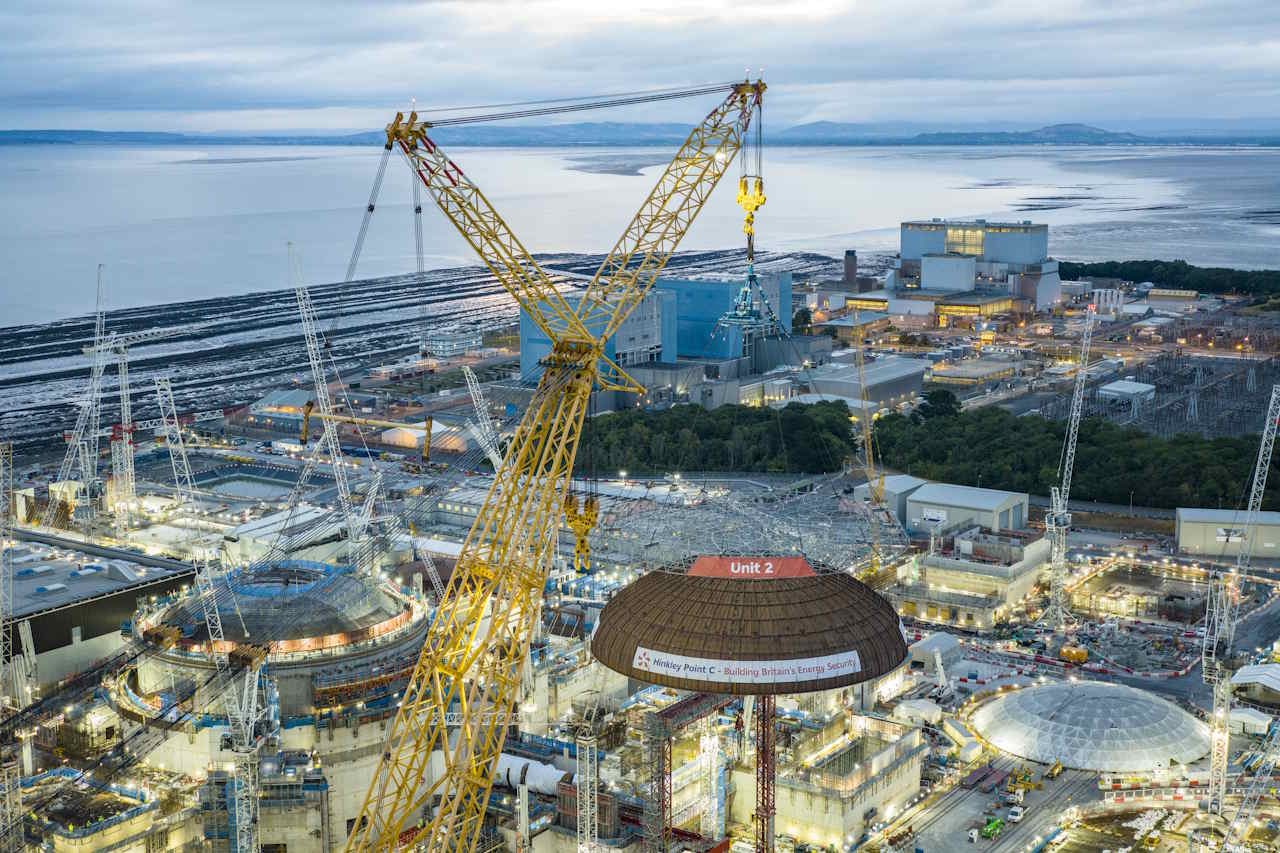
Nuclear Power in Australia: Longer and Costlier than Offshore Wind
According to modelling from Australia’s leading scientific body, the CSIRO, the construction of nuclear power facilities in Australia would take longer and incur higher costs than establishing offshore wind projects for the first time. This analysis further dismisses nuclear energy from any economically viable plans for a net zero electricity grid.
Each year, the CSIRO collaborates with the Australian Energy Market Operator to produce the GenCost report, which serves as an “objective benchmark” for evaluating the costs associated with electricity generation, storage solutions, and hydrogen production technologies. This report aims to inform policy directions in the energy sector.
Key Findings Discussed at the Australian Wind Energy Conference
At the recent Australian Wind Energy conference held in Melbourne, Paul Graham, the chief economist at CSIRO’s Energy Research unit and primary author of the GenCost report, shared insights from the draft findings for the 2025-26 report. The final version is set to be released within this quarter.
The electricity sector has played a crucial role thus far in reducing emissions as Australia strives for its target of net zero emissions by 2050. Currently, solar and wind, supported by storage solutions, contribute nearly half of the National Electricity Market’s (NEM) generation mix.
The Future of Emissions Reduction
With the phasing out of Australia’s coal fleet, the challenge ahead becomes more significant. The GenCost team is tasked with determining how the electricity sector can further contribute to emissions reductions while maintaining cost efficiency. Graham explained, “This means the electricity sector needs to achieve sufficient abatement so that it doesn’t exceed the costs associated with emission reductions elsewhere in the economy.”
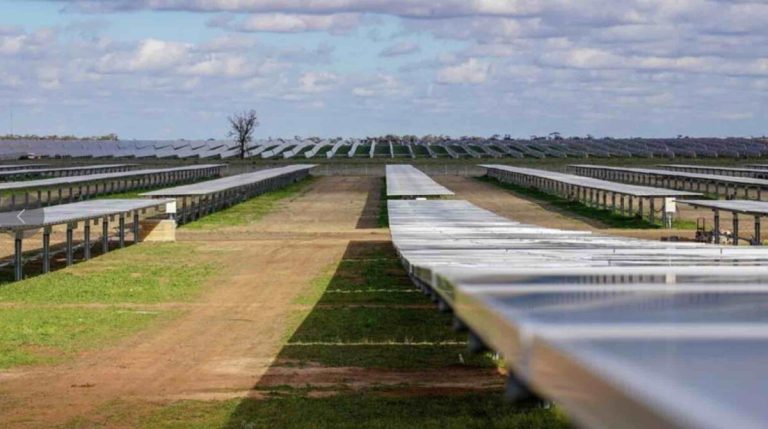
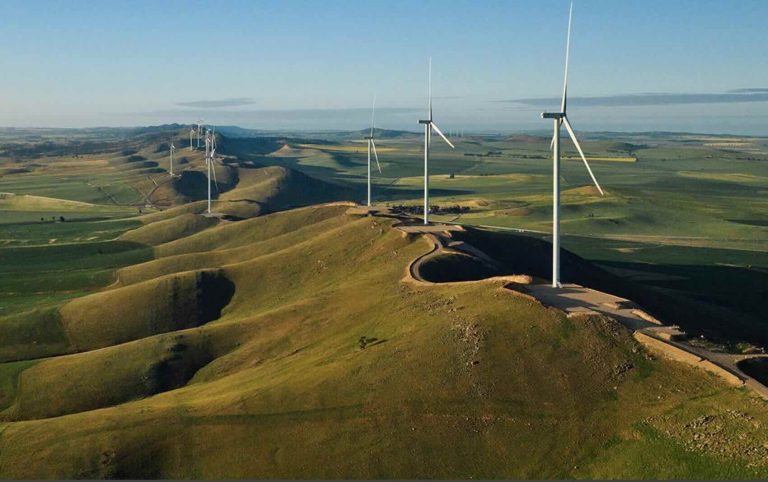
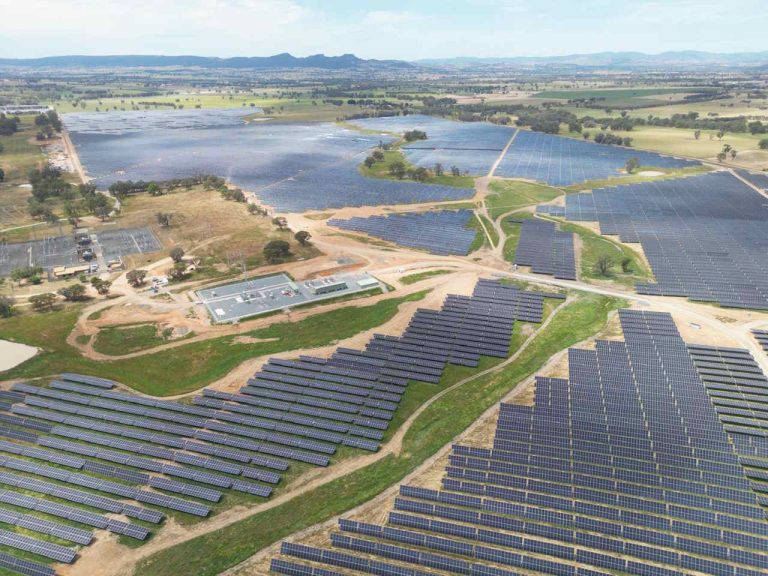
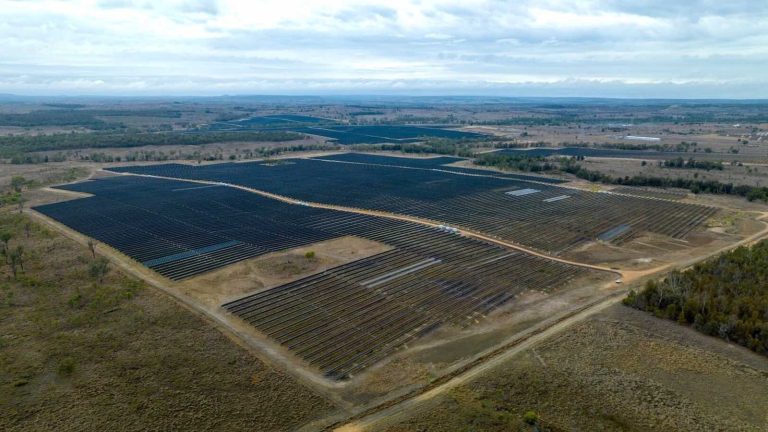
According to the draft modelling from CSIRO, a combination of wind and solar technologies, complemented by firming solutions, appears to be the most cost-effective strategy for emissions reduction and economic viability. Graham noted that leveraging established solar photovoltaic and onshore wind technologies yields the most favourable cost results.
Cost Assessments of Emerging Technologies
During his presentation, Graham also highlighted the expected construction times and cost premiums associated with various “first-of-a-kind” technologies, including gas with carbon capture and storage (CCS), black coal with CCS, and both small and large-scale nuclear projects, alongside solar thermal and offshore wind. He remarked on the historical inefficiencies, stating, “We have never really constructed these technologies at scale in Australia before,” and thus a premium for initial projects is anticipated.
The analysis indicated that nuclear projects, particularly the first undertaken, could take a minimum of six years – potentially stretching to eight years – just for the construction phase, which is significantly longer than most other alternatives.
Graham further elaborated that nuclear ventures tend to be at least double the cost of international best practices, impacting their feasibility as Australia seeks to develop its energy infrastructure. The modelling suggested that once initial projects are complete and the workforce gains experience, subsequent developments could approach more cost-effective benchmarks.
Nuclear Power’s Feasibility
In evaluating various emission intensity targets, the model illustrated that relying on established technologies such as onshore wind and solar provides the most economical options. Offshore wind was recognised as having potential, though with a caveat that costs must fall within a certain range.
Graham concluded by stating that while nuclear energy is persistently excluded from economically viable scenarios, offshore wind remains a candidate for inclusion in Australia’s future energy strategy, depending on cost developments. “Offshore wind is still viable, but its economic viability hinges on future cost evaluations,” he indicated.