Major Solar-Battery Financing Deal Signals Industry Growth
Edify Energy secures financing for Australia’s largest solar-battery hybrid projects, indicating a significant shift towards renewable energy solutions.
Solar Category of Renew Economic
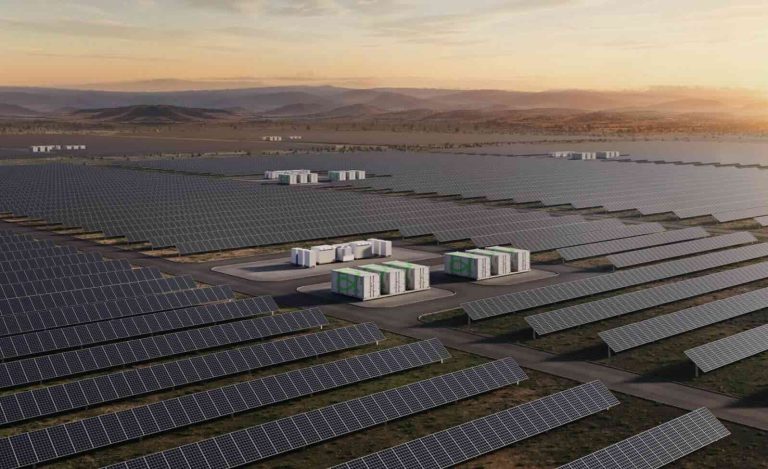
Edify Energy secures financing for Australia’s largest solar-battery hybrid projects, indicating a significant shift towards renewable energy solutions.
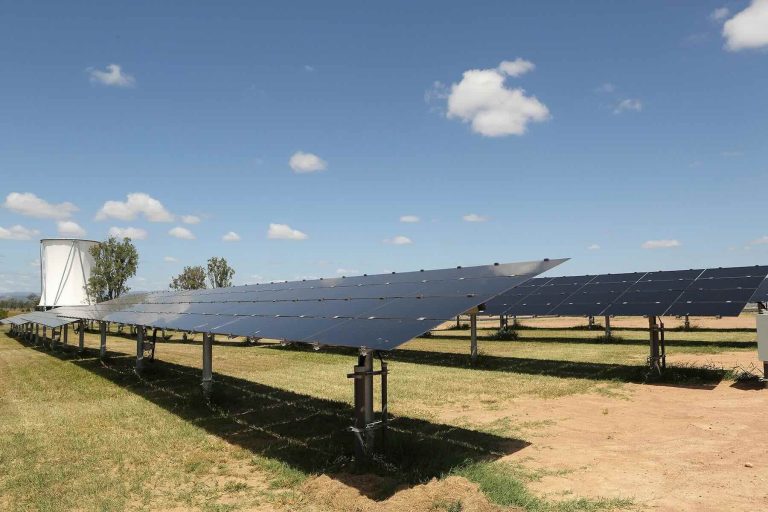
Future X Energy plans a solar and battery project in Queensland to utilize barren land, despite community opposition and regulatory requirements.
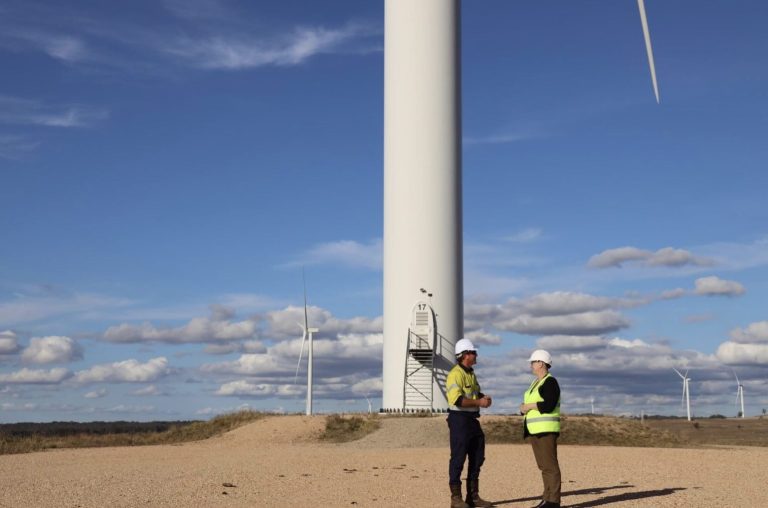
The New South Wales government initiates its biggest renewable energy tender, aiming for 2.5 GW of new capacity and long-duration storage to stabilize the grid and reduce costs.
Australia’s largest solar battery hybrid projects achieve financial closure, supporting Rio Tinto’s transition to renewable energy and enhancing grid reliability.
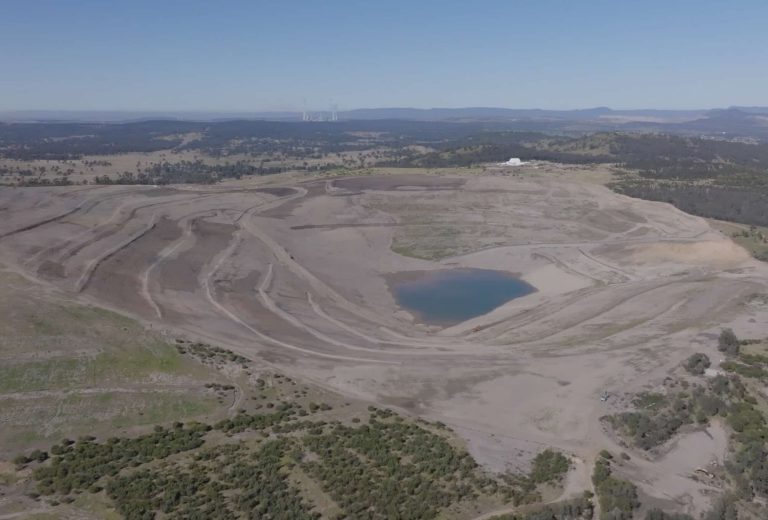
Construction starts on the Muswellbrook Solar Farm and Battery project in New South Wales, marking a significant renewable energy milestone.
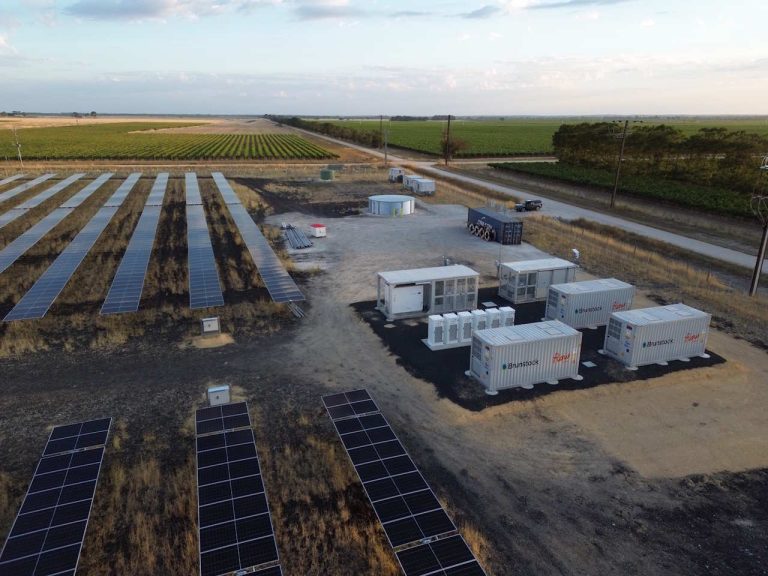
Flow Power has completed three solar-battery projects in South Australia, featuring anti-hail panels and a new energy retail offer for local residents.
State governments are urged to allow renters to use plug-in solar, portable batteries, and bi-directional EV chargers without landlord approval, promoting energy efficiency.
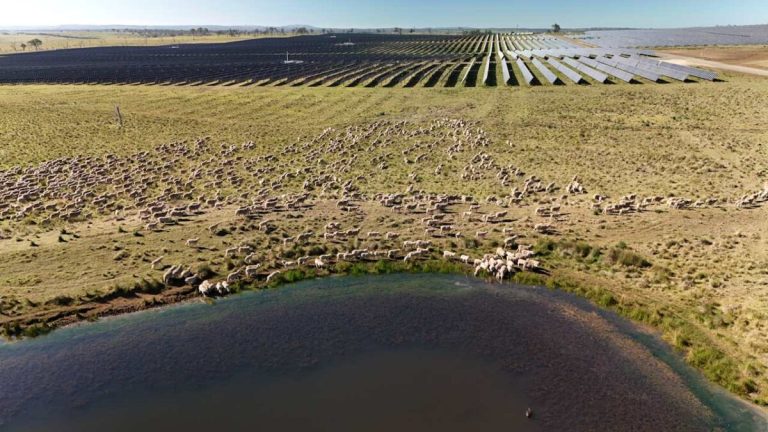
Acen Renewables reports increased revenue from solar farms despite lower prices, aided by reduced curtailment and battery commissioning in New South Wales.
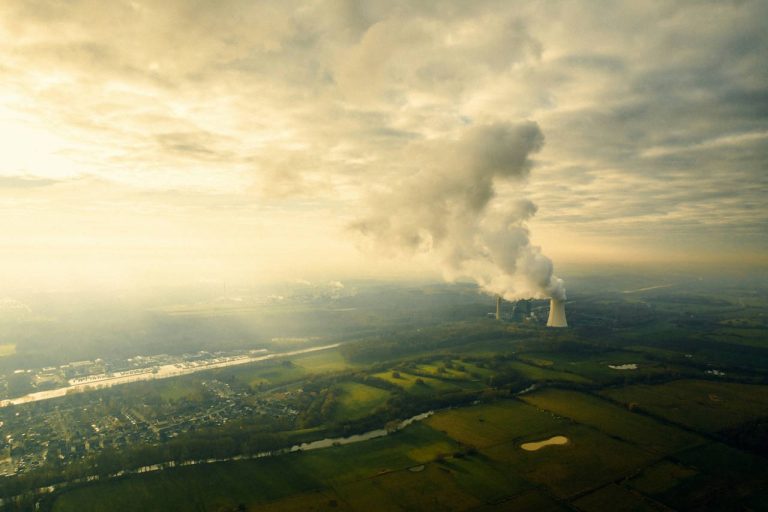
A study shows coal pollution significantly decreases solar energy production, particularly in regions with high coal and solar capacity, impacting the clean energy transition.
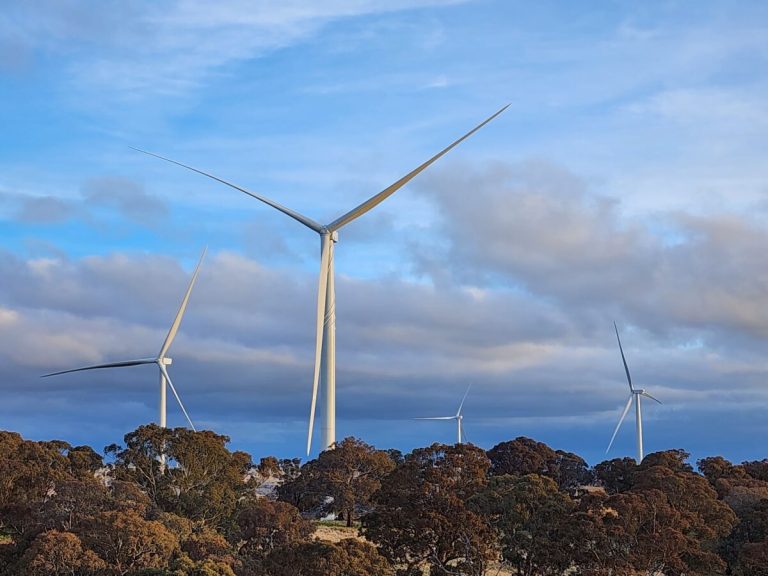
New South Wales is set to unveil a 2.5 GW tender focusing on solar-battery hybrids and wind projects for reliable power generation.
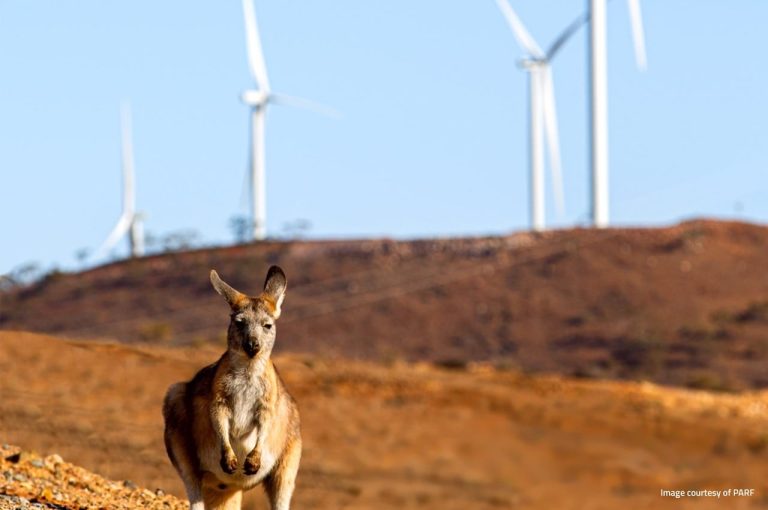
Federal Labor’s proposed capital gains tax reforms may deter foreign investment in renewable energy, raising concerns for Australia’s clean energy future.
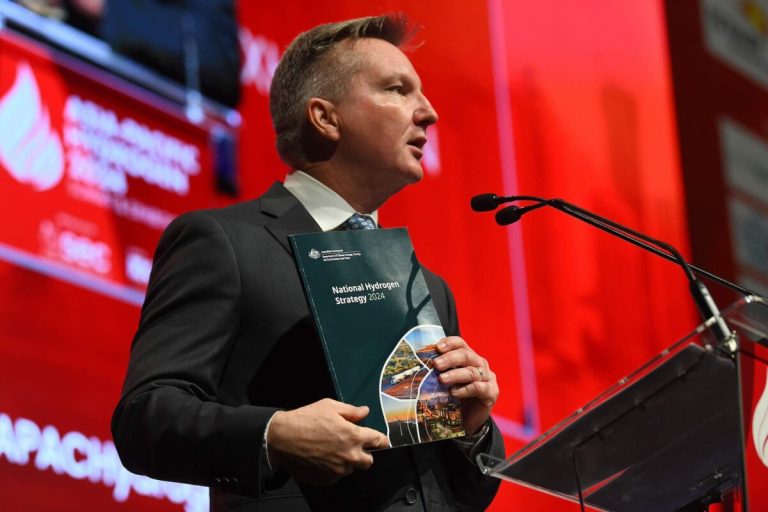
The Australian government reduces funding for green hydrogen, solar, and battery projects, impacting the country’s clean energy ambitions.