Italian Solar Program Offers Free Power: Lessons for Australia
Last week, Deakin University proudly revealed the completion of a groundbreaking year-long study – the first of its kind in Australia – focusing on innovative technology that facilitates the buying and selling of solar and battery energy among households and small businesses through a digital platform.
This research, known as the Virtual Energy Network (VEN) study, was spearheaded by the Deakin Business School and financially backed by Energy Consumers Australia. By leveraging software from the Australian company Enosi, the study enabled peer-to-peer trading of solar power in an anonymous manner.
Positive Outcomes from the Study
Andrea La Nauze from Deakin University shared insights with Renew Economy’s Solar Insiders podcast, highlighting early results of the study involving around 300 participants. The findings indicated that the use of VENs not only broadened access to solar and battery technologies but also resulted in reduced electricity costs and fostered a perception of a more equitable energy system.
However, Enosi noted that one of its most promising applications yet has yet to transition into Australia’s cautious retail market. Instead, the concept is thriving in Italy, where it casts Australia’s recently introduced Solar Sharer Offer as somewhat ineffective in effectively matching energy demand with supply and truly democratizing solar-generated energy access.
Successful Implementation in Italy
Enosi has stated that its Powertracer technology, which formed the foundation of the admirable Australian study, is actively being used commercial in Europe via the Italian energy company Plenitude’s “Adopt a Panel” programme. This initiative has remarkably attracted over 110,000 customers within just a year.
As Enosi CEO Steve Hoy mentioned on Renew Economy, “A year ago they launched a full-scale product called Adotta un Pannello, and it has been thriving, signing up around 10,000 customers monthly.” He adds that the programme’s simplicity surpasses that of typical peer-to-peer models by directly matching the output of solar farms to the consumption of residents in apartments who cannot install solar panels themselves.
How the Adopt a Panel Programme Works
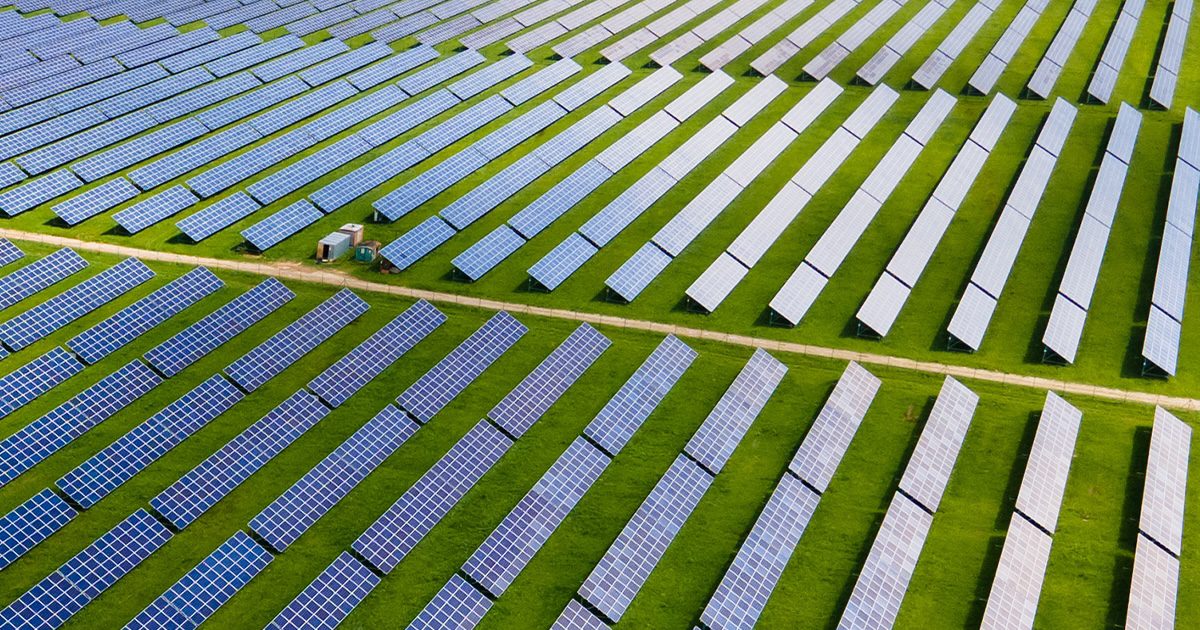
The concept is straightforward: customers enjoy a 100% discount on their electricity bills corresponding to the energy produced by the solar panel they’ve ‘adopted’. They can choose from various panel sizes from Plenitude’s photovoltaic facility in Spain. Customers opt to rent virtual panels representing a fraction of the solar farm’s output. When the output aligns with their energy use, the resulting energy is free.
According to Hoy, this arrangement appears almost identical to having solar panels installed on one’s own roof, highlighting that energy derived from the solar panels is costless when in use. He notes that the demand has been overwhelming, with the retailer struggling to keep up.
Consumer Behaviour and Energy Pricing Structures
Hoy further notes that initial reactions suggest that many Plenitude customers are adjusting their energy consumption to align with the solar output of their adopted panel, a trend similarly observed in the Deakin study with around 15 to 20 per cent of participants changing their usage patterns.
The commercial success of this model contrasts sharply with Australia, where retail market players have been hesitant to embrace significant innovation. Hoy attributes this hesitation to an overtaxed regulatory environment and a lack of willingness to diversify from traditional models.
He elaborates on how Italy’s energy pricing framework differs significantly from Australia’s. Network charges in Italy are fixed daily rates, rather than determined by kilowatt-hours, allowing transparency in costs related to energy consumption.
Concerns for Australian Retailers
Hoy points out that this transparency encourages consumers to respond favourably to the market, making it easy for them to understand and embrace lower prices linked to solar. He believes that this is why the “energy is free” concept resonates with Italian consumers, as they are accustomed to the system.
Currently, Enosi is advocating this “adopt-a-panel” model to Australian retailers, suggesting it presents a more refined approach compared to the Solar Sharer offer, which Hoy describes as somewhat clumsy and lacking finesse.
Looking Ahead
Hoy stresses that the adoption of this model from renewable energy sources has proven beneficial as it aligns with actual renewable generation times while allowing for customer demand to be shifted accordingly. He points out that the evidence demonstrates successful consumer adaptability and aligns with the goals set by the energy transition, indicating that lower prices stimulate demand when matched with renewable energy availability.
As the conversation around energy continues to evolve, the challenges and successes from these international models could inspire more innovative solutions in the Australian market. The lessons learned from the Deakin study and the thriving Italian programme could serve as guideposts for the future of energy consumption and pricing in Australia.