Public Meeting on Solar Project Canceled Due to Lack of Attendance
The Independent Planning Commission (IPC) of New South Wales has had to scrap a public meeting regarding a significant solar and battery initiative after no participants showed up from the 133 long-distance objectors who had prompted the review.
A statement from the IPC announced that the meeting scheduled for early July was cancelled, having received only one registration to attend.
Details of the Solar Project
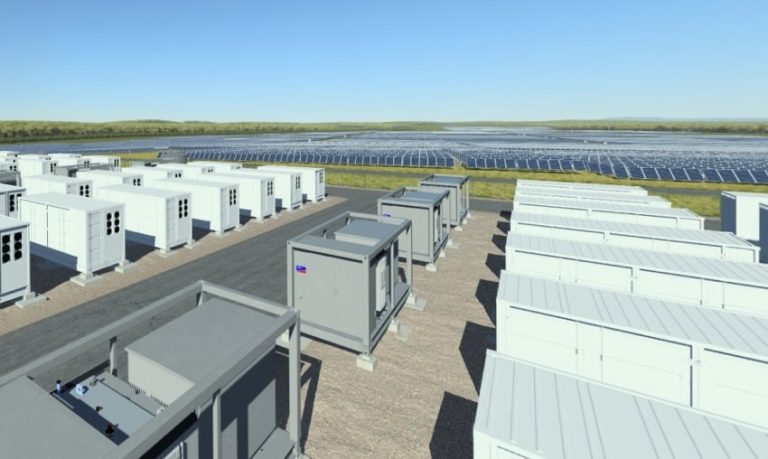
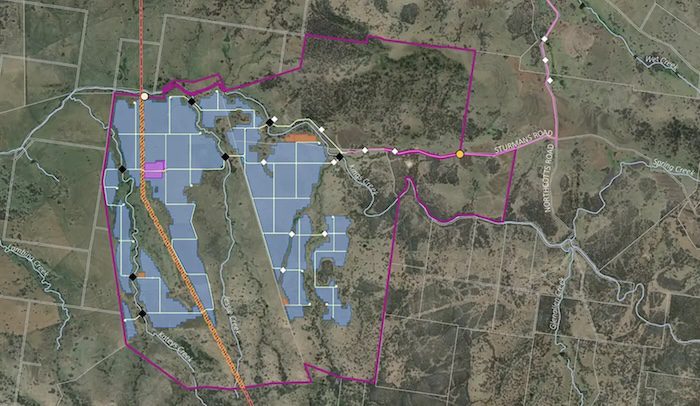
The Spring Mountain project, which involves a 350 megawatt solar facility and a 150 MW battery capable of operating for four hours, falls within the New England renewable energy zone (REZ). The planning review was triggered by the 133 objections submitted, as detailed in the submissions report.
The IPC mandates that at least 50 objections are necessary for a review of a planning department’s approval, and these objections can come from anywhere, often from individuals residing more than 100 kilometres away.
According to the IPC’s website, “The Commission received one registration to speak at the public meeting, from an elected member of the local Council who is already separately meeting with the Panel regarding the application.”
Written feedback on the Sundown Solar Farm remains open until 11:59pm AEST on Wednesday, 8 July 2026.
Concerns Raised by Objectors
To date, the IPC has collected just four submissions, with only one originating from an objector—local farmer Erica Smith, who lives nearby. Smith expressed her opposition to the project, primarily due to concerns that the land would no longer be utilised for cattle grazing.
Additionally, she questioned whether the proposed sheep flock that project developer Recurrent Energy intends to keep under the solar panels would be properly managed. She raised issues previously addressed in essential NSW guidelines, including the potential for solar panels to induce heat stress in sheep or chemical exposure from materials used in the panels.
In her IPC submission, Smith queried, “Are there any regulations regarding the sale of animals grazing on solar farms? There are discussions about needing to declare livestock grazed on land associated with wind turbines,” referencing remarks made last June by NSW agriculture minister Helen Dalton, who clarified that farmers do not need to report livestock grazing near such facilities.
Further Issues and Community Response
Smith’s worries also encompass fire risks, road traffic concerns, and anxiety about decommissioning, particularly following comments from NSW Premier Chris Minns during a radio interview, which suggested that landowners would be responsible for cleanup if the project owner faced financial difficulties.
Although Recurrent Energy’s extensive documentation submitted to the NSW planning portal addresses many of Smith’s concerns, she stands as the sole objector among the 133 to actively engage in submitting feedback to the IPC.
Analysis of the submissions indicates that 58 per cent of the community objections were lodged by individuals residing over 100 kilometres away, with eight of those coming from outside the state.
The town of Inverell contributed 34 submissions, most of which expressed opposition to the project. The predominant concerns highlighted were related to traffic implications and effects on agriculture.